Moth Bean Dal
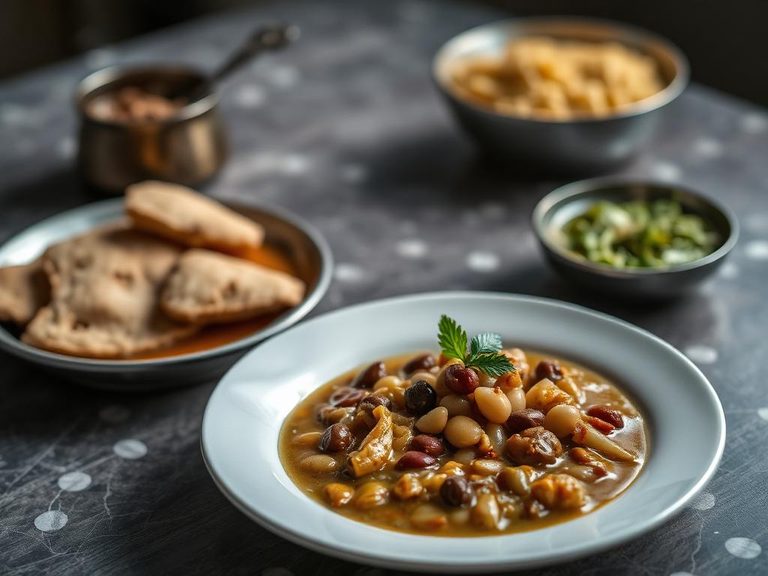
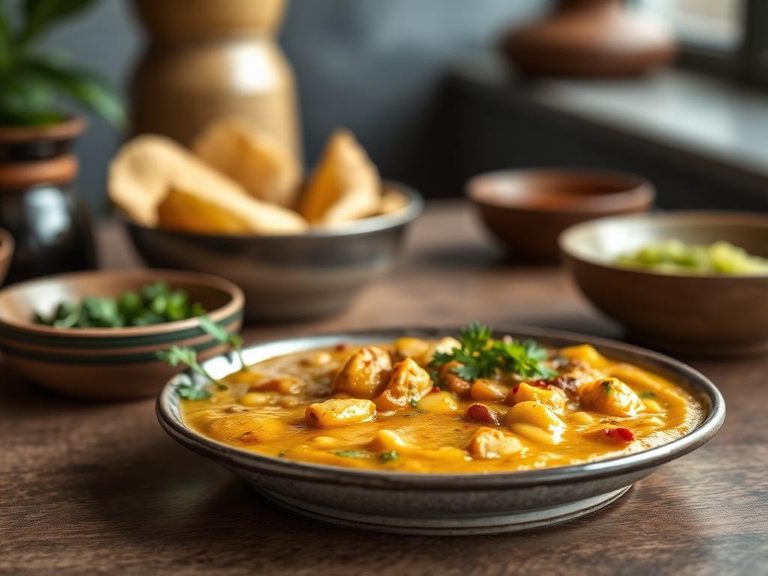
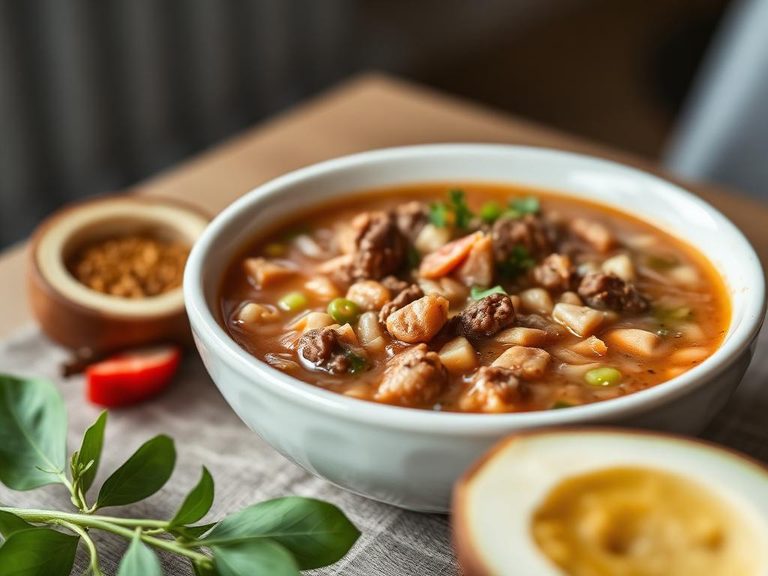
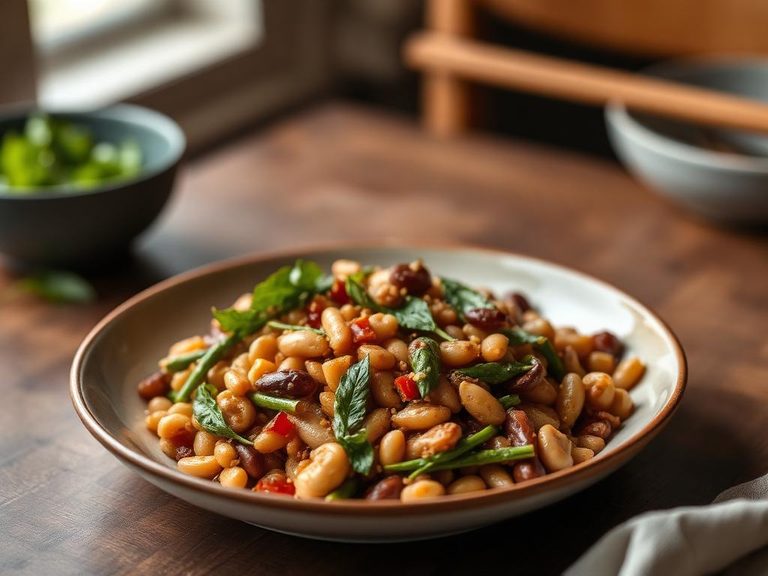
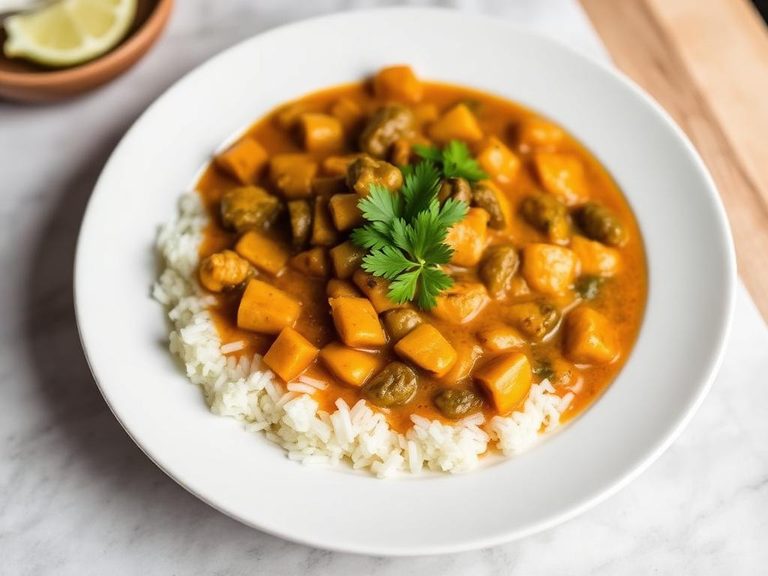
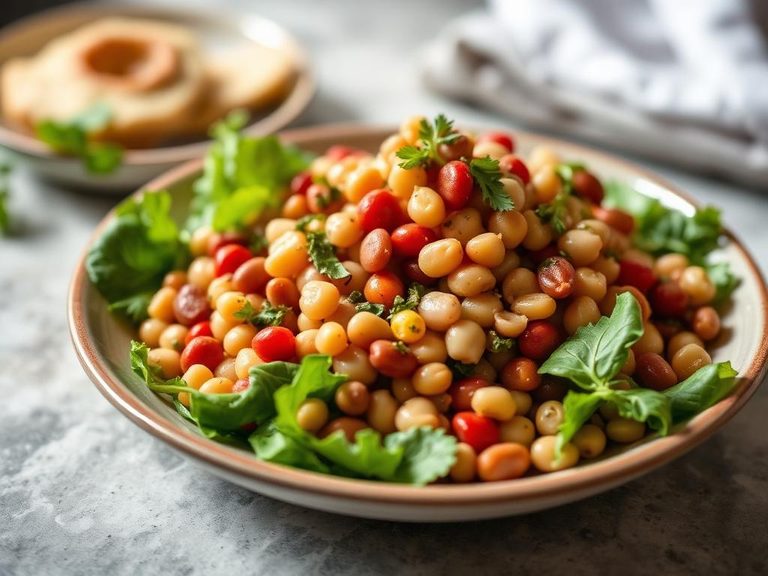
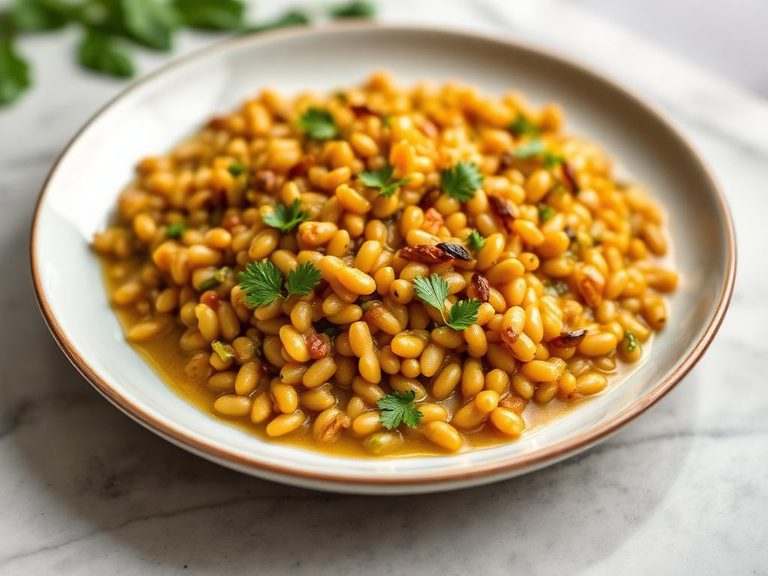
Moth Bean Dal is a hearty, protein-rich lentil curry from the Indian subcontinent, particularly popular in Maharashtra and Rajasthan. It's made from sprouted or whole moth beans (matki) cooked with a blend of spices like turmeric, cumin, and coriander, often in a tomato-onion based gravy. The dish is a staple in everyday Indian home cooking, valued for its simplicity and nutritional benefits.
🍽️ Nutrition at a glance
This dish is an excellent source of plant-based protein and dietary fiber, making it relatively low in fat and moderate in carbohydrates. A typical serving provides a good amount of iron, folate, and potassium, with a rough calorie estimate of around 250-300 kcal per serving.
Nutrition breakdown
| Calories | 270 kcal |
| Protein | 18 g |
| Carbs | 40 g |
| Fat | 4 g |
| Fiber | 12 g |
| Sugar | 5 g |
| Sodium | 480 mg |
| Iron | 4.2 mg |
| Folate | 180 mcg |
| Potassium | 520 mg |
| Magnesium | 70 mg |
| Phosphorus | 210 mg |
| Zinc | 2.5 mg |
| Vitamin B1 (Thiamine) | 0.3 mg |
| Vitamin B6 | 0.2 mg |
Per 1 cup (240 g) · estimated, varies by recipe
💡 What's interesting
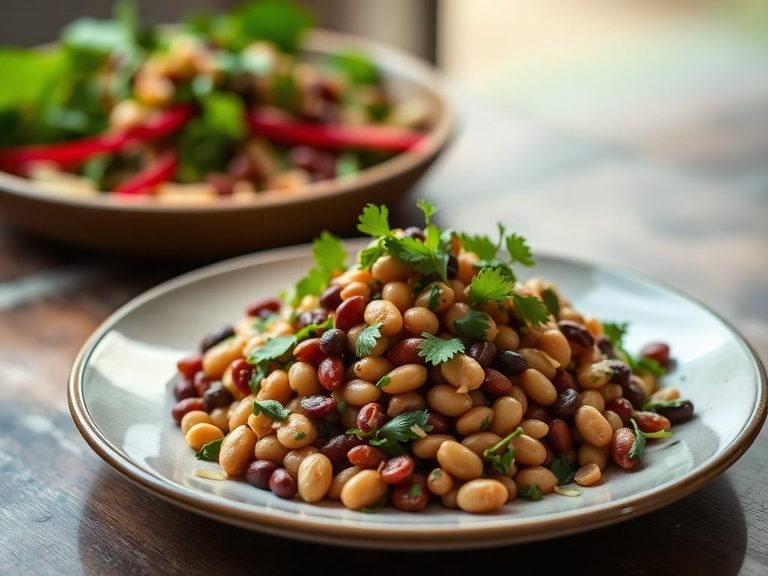
Culturally, moth beans are a resilient, drought-resistant legume, making them a crucial food security crop in arid regions of India. Nutritionally, the sprouting process used for moth beans significantly increases the bioavailability of nutrients and reduces anti-nutrients, enhancing their protein digestibility.