

Mothbeans, mature seeds, cooked, boiled, with salt
Whole food · Legumes and Legume Products

Photo: Wikipedia
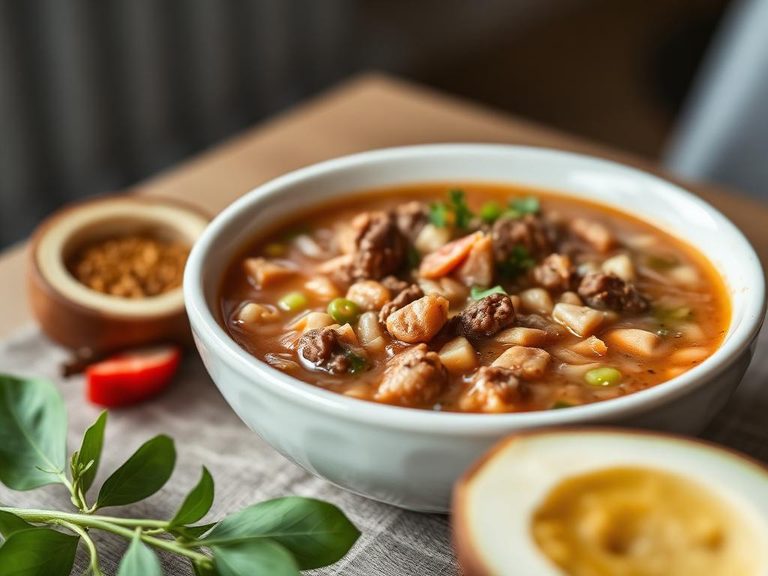
Moth beans, when cooked, transform into small, tender, and slightly chewy legumes with a mild, nutty flavor that readily absorbs spices. Nutritionally, they are a lean powerhouse, delivering a solid 7.81g of protein per 100g with minimal fat, making them a staple for plant-based meals. Their texture holds up well in both dry and saucy preparations, offering a satisfying bite.
Calorie split: 26% protein · 70% carbs · 4% fat
↓ Full nutrition💚 Why it's loved
People love moth beans for their incredible versatility and ability to soak up the flavors of aromatic spices like cumin, coriander, and turmeric. They are a beloved, economical protein source in many cuisines, forming the hearty base of comforting stews and salads.
⚠️ Watch-outs & how to enjoy it better
As a legume, they can cause digestive discomfort like bloating in some individuals; soaking them well before cooking and starting with small portions helps. Their sodium content can be high if heavily salted during cooking, so using low-sodium broth or adding salt at the end is a good strategy.
Key benefits
- Excellent source of plant-based protein for muscle maintenance.
- Very low in fat, supporting heart-healthy diets.
- Provides complex carbohydrates for sustained energy release.
- Contains essential minerals like iron and folate.
🍽️ Popular dishes
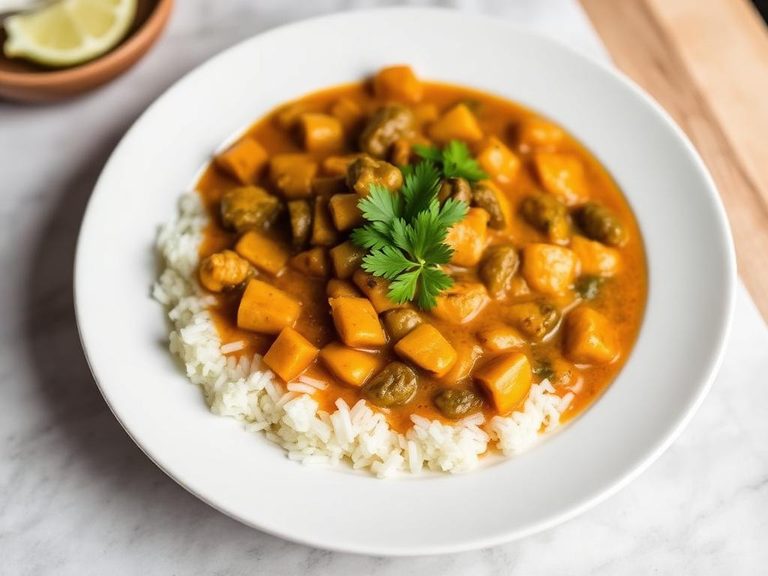
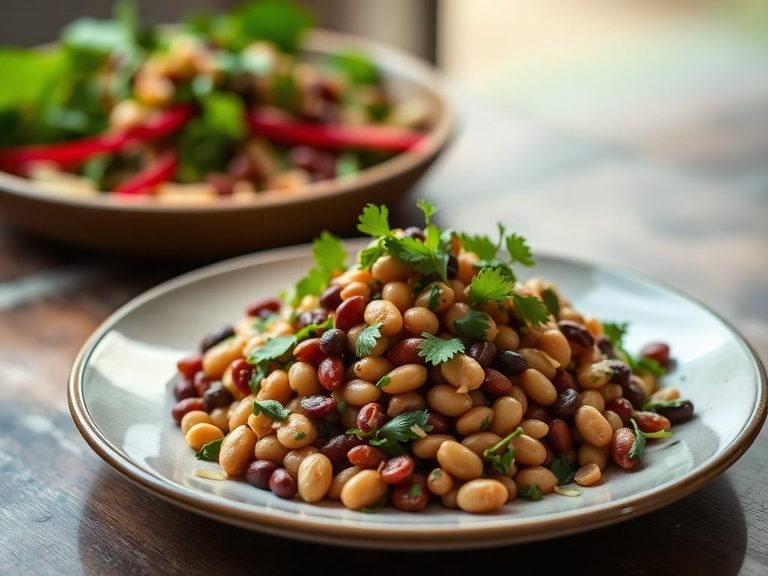
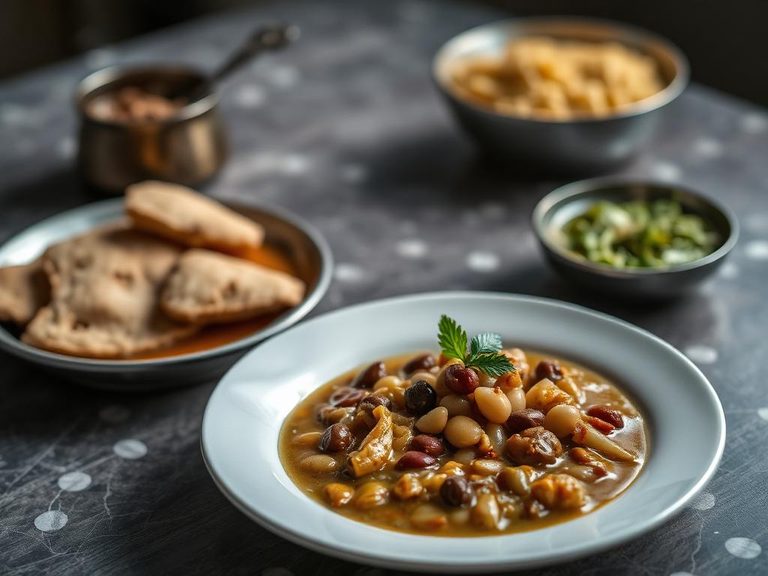
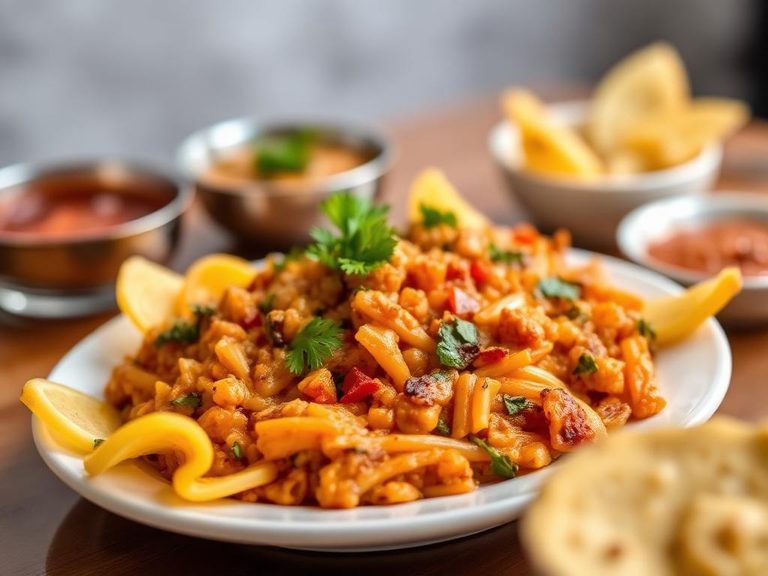
🌍 Where it's eaten
💡 Did you know?
Moth beans are highly drought-resistant and are often called 'matki' in India, where they are a crucial crop for arid regions, thriving where other legumes might fail.
Full nutrition (USDA data · scales with serving)
| Water | 69.2 g |
| Energy | 117 kcal |
| Energy | 490 kj |
| Protein | 7.8 g |
| Total lipid (fat) | 0.55 g |
| Ash | 1.4 g |
| Carbohydrate, by difference | 21.0 g |
| Calcium, Ca | 3.0 mg |
| Iron, Fe | 3.1 mg |
| Magnesium, Mg | 104 mg |
| Phosphorus, P | 150 mg |
| Potassium, K | 304 mg |
| Sodium, Na | 246 mg |
| Zinc, Zn | 0.59 mg |
| Copper, Cu | 0.16 mg |
| Manganese, Mn | 0.53 mg |
| Selenium, Se | 2.8 ug |
| Vitamin C, total ascorbic acid | 1.0 mg |
| Thiamin | 0.12 mg |
| Riboflavin | 0.02 mg |
| Niacin | 0.67 mg |
| Pantothenic acid | 0.39 mg |
| Vitamin B-6 | 0.09 mg |
| Folate, total | 143 ug |
| Folic acid | 0.00 ug |
| Folate, food | 143 ug |
| Folate, DFE | 143 ug |
| Vitamin B-12 | 0.00 ug |
| Vitamin A, RAE | 1.0 ug |
| Retinol | 0.00 ug |
| Vitamin A, IU | 10.0 iu |
| Vitamin D (D2 + D3), International Units | 0.00 iu |
| Vitamin D (D2 + D3) | 0.00 ug |
Fat & fatty acid profile (per 100g)
| Fatty acids, total saturated | 0.12 g |
| SFA 16:0 | 0.11 g |
| SFA 18:0 | 0.02 g |
| Fatty acids, total monounsaturated | 0.04 g |
| MUFA 18:1 | 0.04 g |
| Fatty acids, total polyunsaturated | 0.26 g |
| PUFA 18:2 | 0.17 g |
| PUFA 18:3 | 0.09 g |
| Fatty acids, total trans | 0.00 g |
| Cholesterol | 0.00 mg |
Amino acid profile (per 100g)
| Tryptophan | 0.05 g |
| Isoleucine | 0.39 g |
| Leucine | 0.53 g |
| Lysine | 0.42 g |
| Methionine | 0.07 g |
| Cystine | 0.04 g |
| Phenylalanine | 0.35 g |
| Valine | 0.25 g |
| Histidine | 0.26 g |
FAQ
What is the difference between moth beans and moth dal?
Moth beans refer to the whole, mature seeds, while moth dal is the split version with the husk removed, which cooks faster and has a softer texture.
Do I need to soak moth beans before cooking?
Yes, soaking for 6-8 hours or overnight is recommended to reduce cooking time and improve digestibility. They can also be sprouted for added nutrition.
How do I reduce the sodium content in cooked moth beans?
Cook them without salt, using herbs and spices for flavor. Add a small amount of salt at the very end of cooking or to taste when serving.
Nutrient density (calculated · NRF9.3)
Nutrient Rich Foods index: beneficial nutrients (protein, fiber, vitamins, minerals) minus saturated fat, added sugar & sodium, per 100 kcal.
NRF9.3 index — Fulgoni, Keast & Drewnowski, 2009. Computed from USDA nutrients.
Weight-loss friendliness (composite index)
Energy density 1.17 kcal/g · 27% calories from protein · 0.0 g fiber · 0.0 g sugar per 100 g.
Composite of energy density (Rolls et al., 1999), protein & fiber satiety, minus sugar. A calculated heuristic — ranks satiety-per-calorie, not a clinical measure.
Dietary load (calculated from USDA values)
Potential renal acid load. Positive = acid-forming, negative = alkaline-forming.
Sodium-to-potassium ratio: 0.81 (lower is better — aim for ≤ 1)
Sodium:potassium per WHO potassium guidance. Computed from USDA nutrients.