

Game meat, boar, wild, raw
Whole food · Lamb, Veal, and Game Products

Photo: Wikipedia
Wild boar is lean, deeply flavored game meat with a firm, dense texture reminiscent of pork but with a distinct, slightly sweet, nutty, and earthy character. Its nutritional profile is striking: exceptionally high in protein (over 21g per 100g) with minimal fat and zero carbohydrates, making it a powerhouse for low-carb and high-protein diets. The meat's dark color and robust flavor come from its natural, active diet and lifestyle in the wild.
Calorie split: 74% protein · 0% carbs · 26% fat
↓ Full nutrition💚 Why it's loved
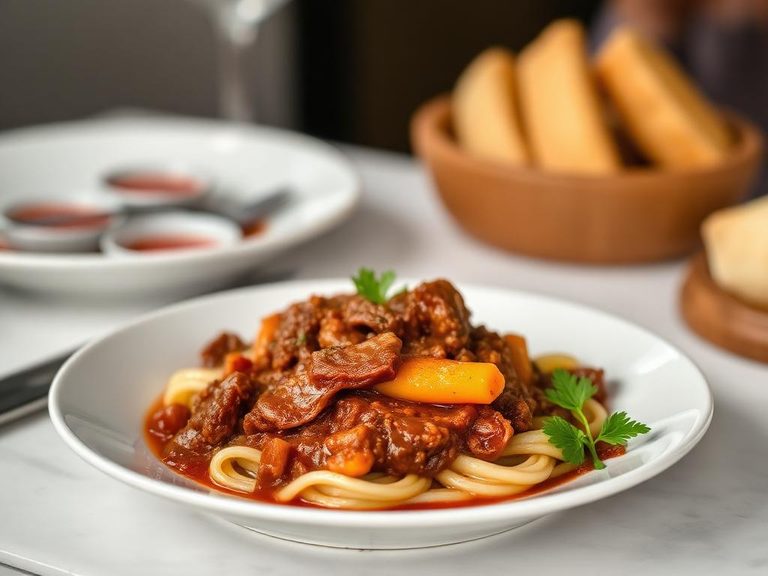
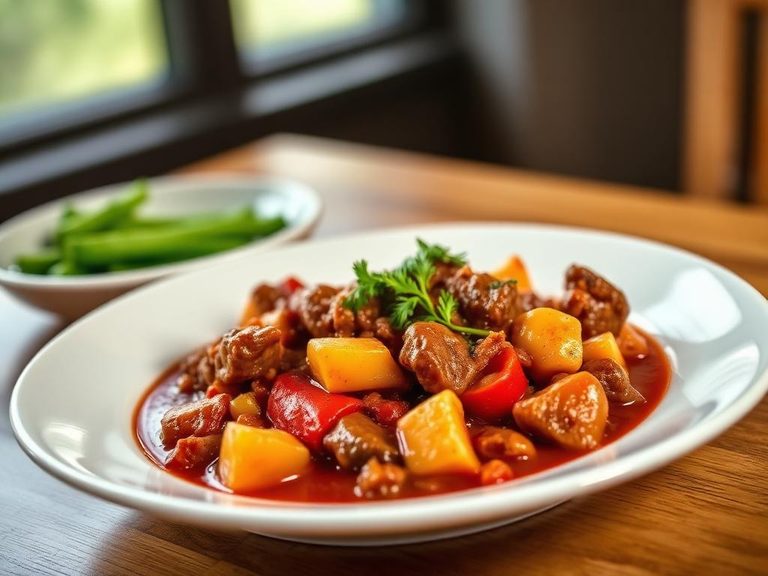
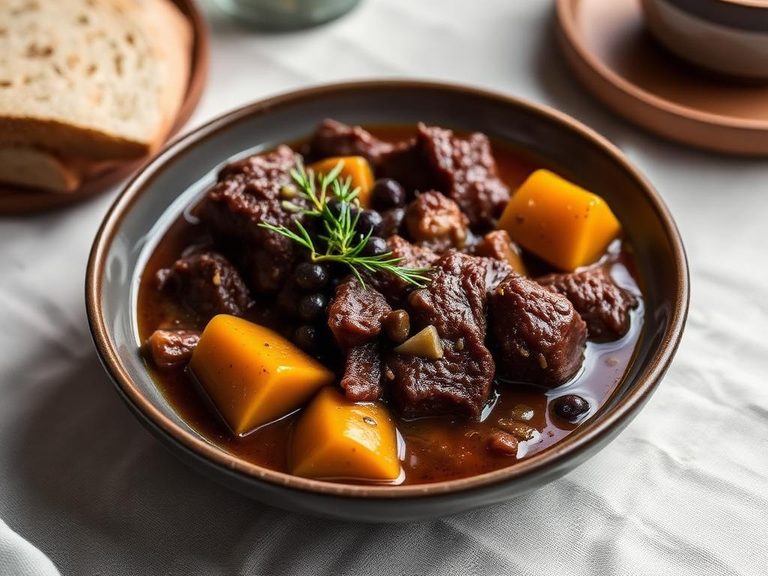
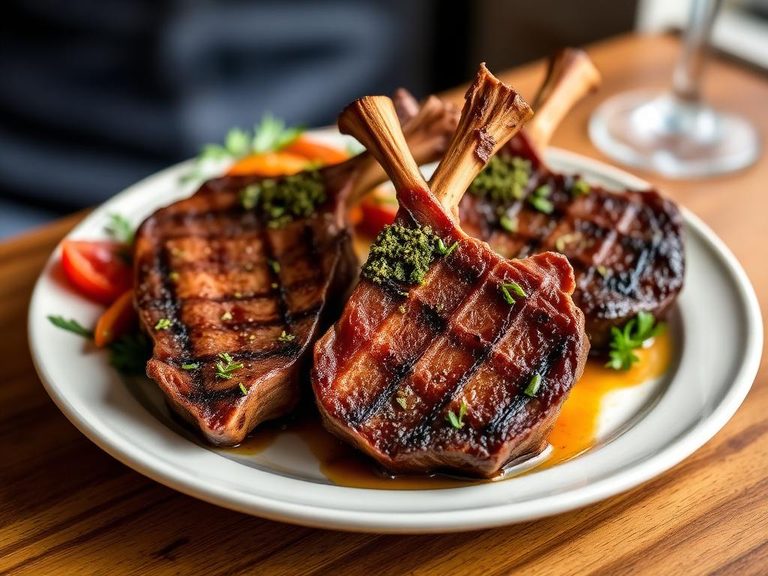
Food enthusiasts prize wild boar for its complex, gamey flavor that is richer and more nuanced than domestic pork, often described as having a pleasant, sweet, and slightly wild aftertaste. Its versatility allows it to shine in hearty stews, elegant roasts, and charcuterie, connecting diners to culinary traditions of foraging and hunting.
⚠️ Watch-outs & how to enjoy it better
The lean, dense meat can become tough and dry if overcooked, requiring careful preparation like slow braising or marinating. Its strong flavor may be unfamiliar or overpowering to those accustomed to milder meats. To counteract toughness, cook low and slow with moist heat (e.g., in a stew or braise) or use acidic marinades. For the strong flavor, pair it with robust sauces, fruit-based compotes, or earthy herbs like rosemary and juniper.
Key benefits
- Excellent source of complete, high-quality protein for muscle maintenance.
- Very low in fat, especially saturated fat, compared to domestic pork.
- Rich in B vitamins, particularly thiamine (B1) and niacin (B3), for energy metabolism.
- Contains essential minerals like zinc and selenium for immune function.
- Naturally carbohydrate-free, suitable for ketogenic and paleo diets.
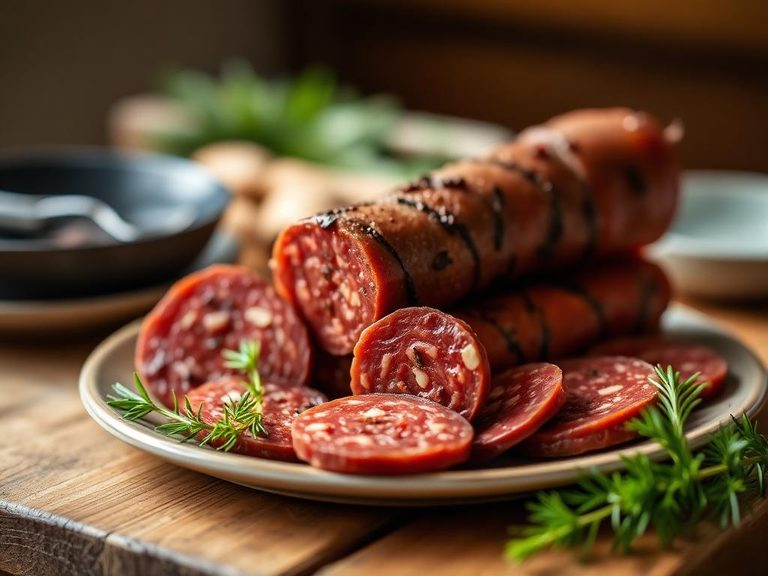
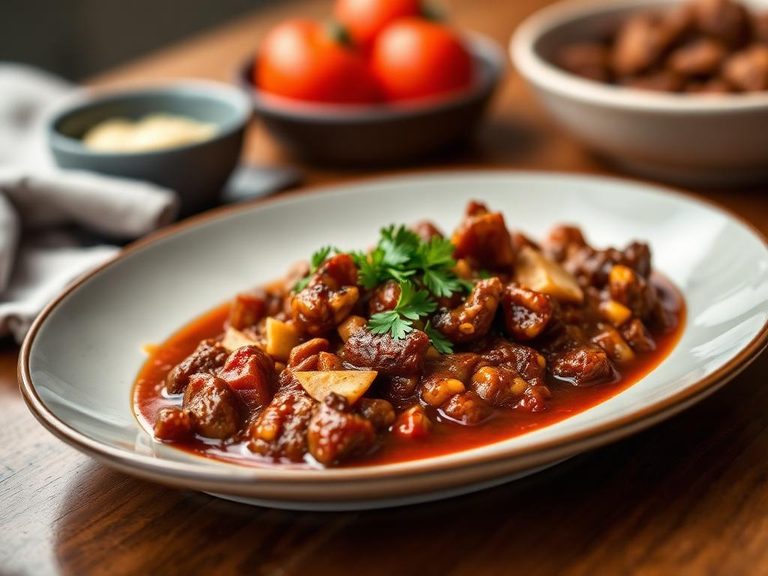
🍽️ Popular dishes
🌍 Where it's eaten
💡 Did you know?
Wild boar meat gets its characteristic dark red color from high levels of myoglobin, a protein that stores oxygen in muscles, which develops due to the animal's constant foraging and roaming activity.
Full nutrition (USDA data · scales with serving)
| Water | 72.5 g |
| Energy | 122 kcal |
| Energy | 510 kj |
| Protein | 21.5 g |
| Total lipid (fat) | 3.3 g |
| Ash | 0.97 g |
| Carbohydrate, by difference | 0.00 g |
| Fiber, total dietary | 0.00 g |
| Calcium, Ca | 12.0 mg |
| Phosphorus, P | 120 mg |
| Selenium, Se | 9.8 ug |
| Vitamin C, total ascorbic acid | 0.00 mg |
| Thiamin | 0.39 mg |
| Riboflavin | 0.11 mg |
| Niacin | 4.0 mg |
| Vitamin A, RAE | 0.00 ug |
| Retinol | 0.00 ug |
| Vitamin A, IU | 0.00 iu |
Fat & fatty acid profile (per 100g)
| Fatty acids, total saturated | 0.99 g |
| SFA 14:0 | 0.04 g |
| SFA 16:0 | 0.58 g |
| SFA 18:0 | 0.33 g |
| Fatty acids, total monounsaturated | 1.3 g |
| MUFA 16:1 | 0.17 g |
| MUFA 18:1 | 1.1 g |
| Fatty acids, total polyunsaturated | 0.48 g |
| PUFA 18:2 | 0.38 g |
| PUFA 18:3 | 0.02 g |
| PUFA 20:4 | 0.08 g |
Amino acid profile (per 100g)
| Tryptophan | 0.29 g |
| Threonine | 1.0 g |
| Isoleucine | 1.0 g |
| Leucine | 1.7 g |
| Lysine | 2.1 g |
| Methionine | 0.53 g |
| Cystine | 0.28 g |
| Phenylalanine | 0.86 g |
| Tyrosine | 0.77 g |
| Valine | 1.2 g |
| Arginine | 1.5 g |
| Histidine | 1.1 g |
| Alanine | 1.3 g |
| Aspartic acid | 2.0 g |
| Glutamic acid | 3.3 g |
| Glycine | 0.98 g |
| Proline | 0.82 g |
| Serine | 0.88 g |
FAQ
How does wild boar taste different from domestic pork?
Wild boar has a much stronger, gamier flavor with sweet, nutty, and earthy notes. Its meat is leaner, darker, and denser in texture, lacking the mild sweetness and fattiness of commercially raised pork.
What's the best way to cook wild boar to avoid it being tough?
Due to its leanness, wild boar benefits from slow, moist cooking methods like braising, stewing, or slow-roasting. Marinating in acidic or enzymatic ingredients (like wine, vinegar, or fruit juice) beforehand also helps tenderize the meat.
Is wild boar meat safe to eat?
Yes, when sourced from reputable suppliers and cooked to a safe internal temperature (160°F / 71°C). Wild animals can carry parasites, so proper handling and thorough cooking are essential. It should be treated with the same food safety caution as other game meats.
Nutrient density (calculated · NRF9.3)
Nutrient Rich Foods index: beneficial nutrients (protein, fiber, vitamins, minerals) minus saturated fat, added sugar & sodium, per 100 kcal.
NRF9.3 index — Fulgoni, Keast & Drewnowski, 2009. Computed from USDA nutrients.
Weight-loss friendliness (composite index)
Energy density 1.22 kcal/g · 71% calories from protein · 0.0 g fiber · 0.0 g sugar per 100 g.
Composite of energy density (Rolls et al., 1999), protein & fiber satiety, minus sugar. A calculated heuristic — ranks satiety-per-calorie, not a clinical measure.