

Beans, Dry, Tan (0% moisture)
Whole food · Legumes and Legume Products

Photo: Wikipedia
This is the dehydrated, whole form of common beans (like pinto or navy beans) with virtually all moisture removed, creating a hard, shelf-stable legume. In their raw state, they are inedible and must be rehydrated and cooked, which transforms them into a soft, creamy, and earthy-tasting staple. Nutritionally, they are a protein powerhouse, packing nearly 27 grams of plant-based protein per 100g of the dry bean.
Calorie split: 91% protein · 0% carbs · 9% fat
↓ Full nutrition💚 Why it's loved
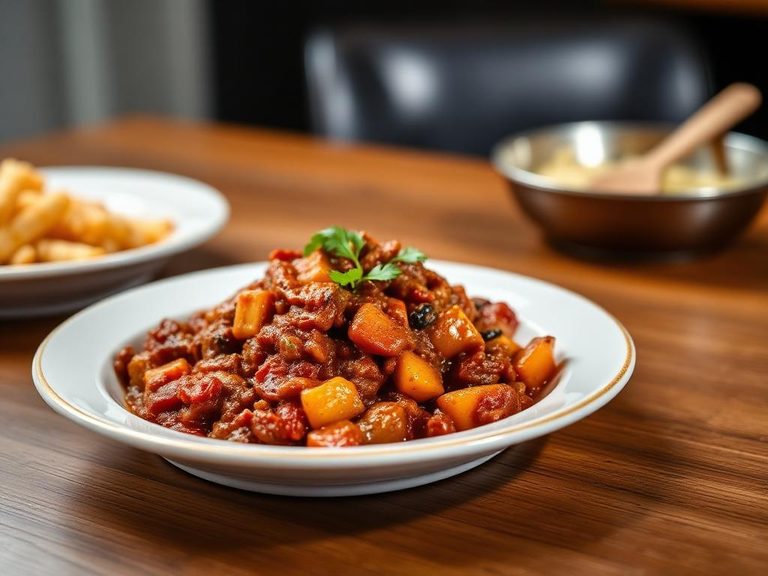
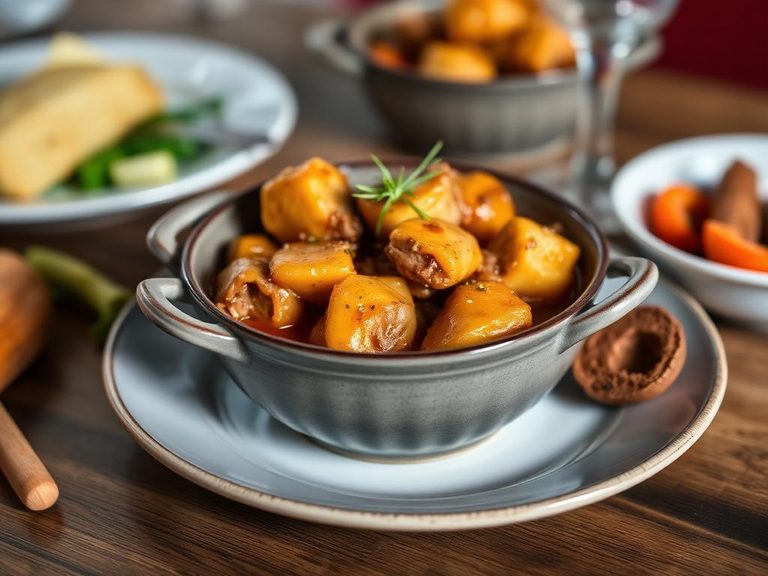
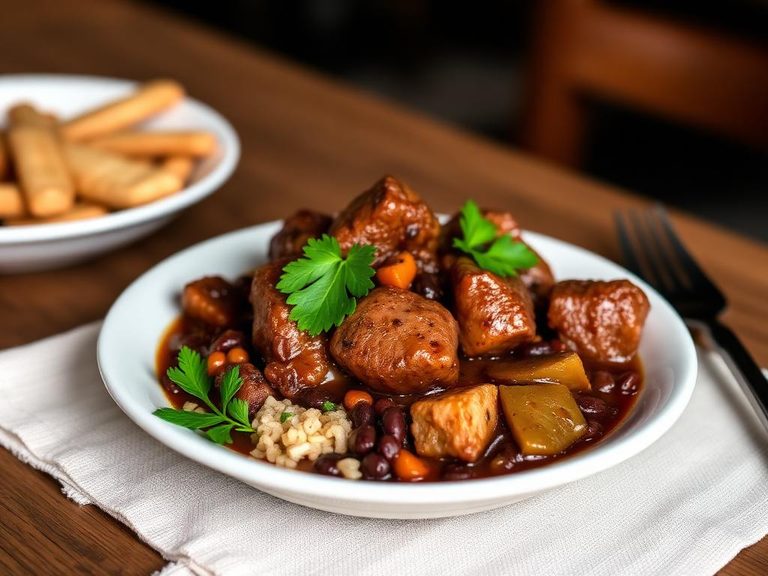
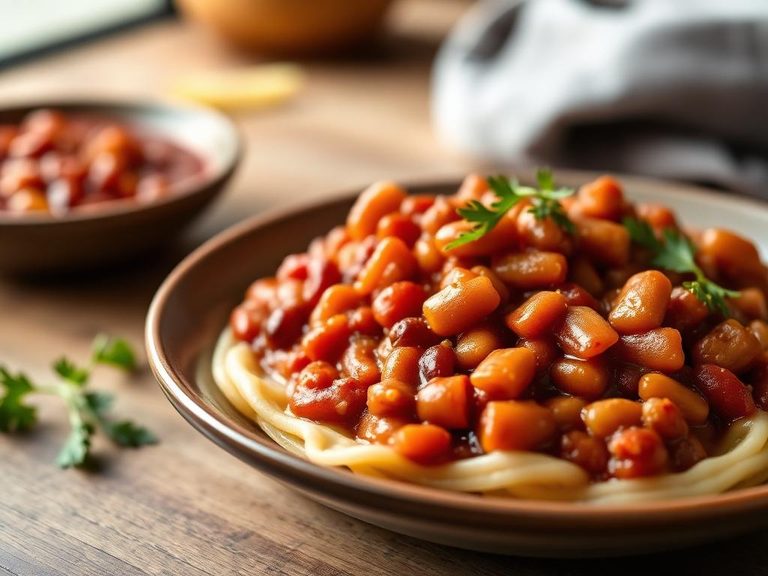
People love dry beans for their incredible versatility and ability to absorb flavors, becoming the hearty, comforting base for countless soups, stews, and casseroles across global cuisines. They are a beloved, affordable staple that can be seasoned in endless ways, from smoky and spicy to savory and herbaceous.
⚠️ Watch-outs & how to enjoy it better
The primary downside is the need for planning, as they require soaking and thorough cooking (often 1-2 hours) to become tender and digestible. Undercooked beans contain lectins that can cause digestive upset, and their high fiber content may cause gas for some; soaking and discarding the water, plus gradual introduction into your diet, can greatly reduce these effects.
Key benefits
- Exceptional source of plant-based protein for muscle maintenance and satiety
- High in dietary fiber to support digestive health and promote fullness
- Naturally very low in fat and contains no sugar
- Shelf-stable for years when stored properly, reducing food waste
- A cost-effective foundation for nutrient-dense meals
🍽️ Popular dishes
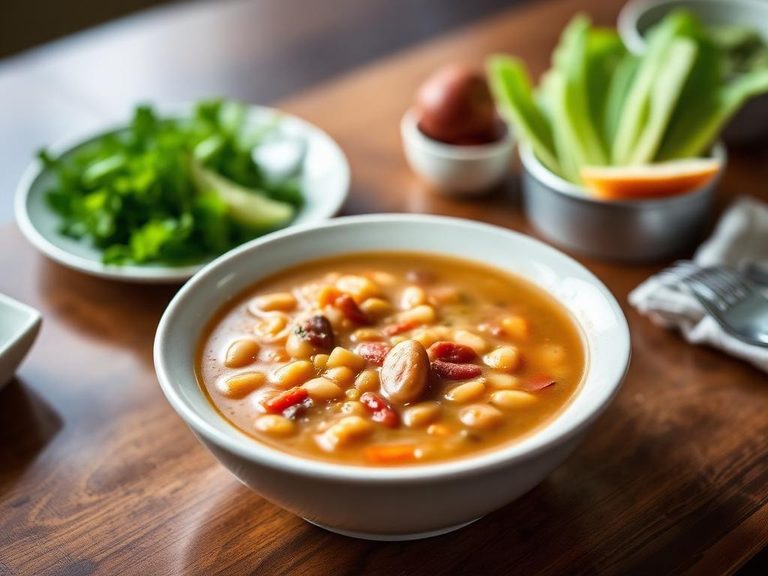
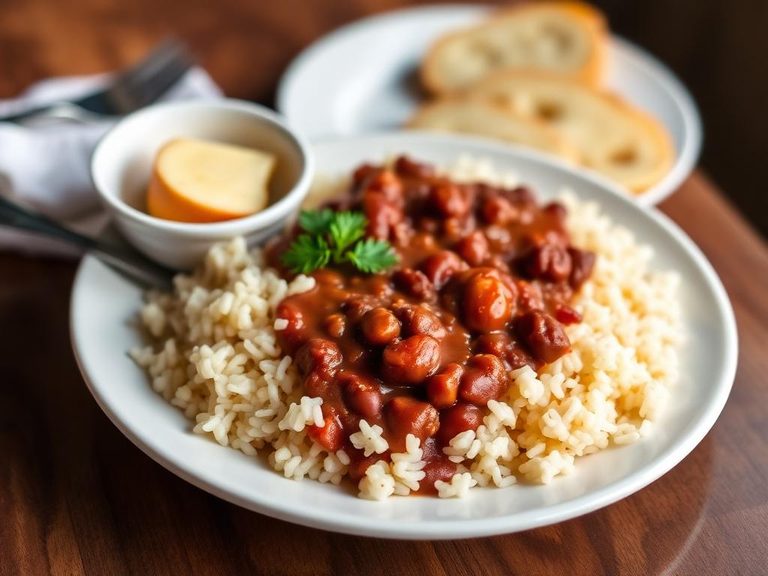
🌍 Where it's eaten
💡 Did you know?
The '0 kcal' listing for dry beans is a technicality; the calories are present but locked within indigestible starches until cooking gelatinizes them, making the energy available.
Full nutrition (USDA data · scales with serving)
| Water | 0.00 g |
| Protein | 26.8 g |
| Total lipid (fat) | 1.1 g |
| Fiber, total dietary | 4.4 g |
| Starch | 36.0 g |
| Calcium, Ca | 178 mg |
| Iron, Fe | 5.8 mg |
| Magnesium, Mg | 198 mg |
| Phosphorus, P | 555 mg |
| Potassium, K | 1620 mg |
| Zinc, Zn | 3.5 mg |
| Copper, Cu | 1.1 mg |
| Manganese, Mn | 2.2 mg |
| Sulfur, S | 262 mg |
| Nickel, Ni | 166 ug |
| Molybdenum, Mo | 804 ug |
| Cobalt, Co | 43.5 ug |
| Boron, B | 1240 ug |
Fat & fatty acid profile (per 100g)
Estimated from Lima beans, thin seeded (baby), mature seeds, cooked, boiled, without salt — USDA does not publish this profile for Beans.
| Fatty acids, total saturated | 0.09 g |
| SFA 12:0 | 0.00 g |
| SFA 14:0 | 0.00 g |
| SFA 16:0 | 0.07 g |
| SFA 18:0 | 0.02 g |
| Fatty acids, total monounsaturated | 0.03 g |
| MUFA 16:1 | 0.00 g |
| MUFA 18:1 | 0.03 g |
| MUFA 20:1 | 0.00 g |
| MUFA 22:1 | 0.00 g |
| Fatty acids, total polyunsaturated | 0.17 g |
| PUFA 18:2 | 0.12 g |
| PUFA 18:3 | 0.05 g |
| Fatty acids, total trans | 0.00 g |
| Cholesterol | 0.00 mg |
Amino acid profile (per 100g)
Estimated from Lima beans, thin seeded (baby), mature seeds, cooked, boiled, without salt — USDA does not publish this profile for Beans.
| Tryptophan | 0.10 g |
| Threonine | 0.35 g |
| Isoleucine | 0.42 g |
| Leucine | 0.69 g |
| Lysine | 0.54 g |
| Methionine | 0.10 g |
| Cystine | 0.09 g |
| Phenylalanine | 0.46 g |
| Tyrosine | 0.28 g |
| Valine | 0.48 g |
| Arginine | 0.49 g |
| Histidine | 0.25 g |
| Alanine | 0.41 g |
| Aspartic acid | 1.0 g |
| Glutamic acid | 1.1 g |
| Glycine | 0.34 g |
| Proline | 0.37 g |
| Serine | 0.54 g |
FAQ
Why do my dry beans sometimes never get soft?
This is often due to 'hard-to-cook' syndrome, which can be caused by using very old beans, hard water, or adding acidic ingredients (like tomatoes or vinegar) too early in cooking, which toughens the skins. Use fresh beans, cook in soft water, and add acids after the beans are tender.
Is the nutritional value of dry beans different from canned?
The core nutrition (protein, fiber) is very similar. Canned beans are pre-cooked and often have added sodium, while dry beans give you full control over sodium content and texture. The canning process can slightly reduce some heat-sensitive vitamins.
How long do dry beans last in the pantry?
When stored in a cool, dark, and dry place in an airtight container, dry beans can last for 2-3 years or more while maintaining good quality. They remain safe to eat indefinitely but may take longer to cook as they age.
Dietary load (calculated from USDA values)
Potential renal acid load. Positive = acid-forming, negative = alkaline-forming.
Sodium:potassium per WHO potassium guidance. Computed from USDA nutrients.