

Beans, Dry, Small White (0% moisture)
Whole food · Legumes and Legume Products

Photo: Wikipedia
Small white beans are tiny, ivory-colored legumes with a smooth, creamy texture and a mild, slightly nutty flavor when cooked. They are a nutritional powerhouse, delivering an impressive 24.5g of protein per 100g (on a dry weight basis) with virtually no fat or carbohydrates, making them a staple for high-protein, low-carb diets.
Calorie split: 89% protein · 0% carbs · 11% fat
↓ Full nutrition💚 Why it's loved
People love small white beans for their incredible versatility; they absorb flavors beautifully in soups, stews, and salads while maintaining a satisfying, creamy bite. They are a beloved, affordable protein staple in countless cuisines, forming the hearty base of comforting dishes from Italian minestrone to American succotash.
⚠️ Watch-outs & how to enjoy it better
Like all beans, they contain oligosaccharides that can cause gas and bloating in some individuals. To counteract this, soak dried beans for at least 8 hours (or overnight) and discard the soaking water, then cook them thoroughly. They are also a common allergen, and their high fiber content requires adequate water intake to prevent digestive discomfort.
Key benefits
- Excellent source of plant-based protein
- High in dietary fiber for digestive health
- Naturally low in fat and sugar
- Rich in essential minerals like iron and folate
- Provides a sustained energy release
🍽️ Popular dishes
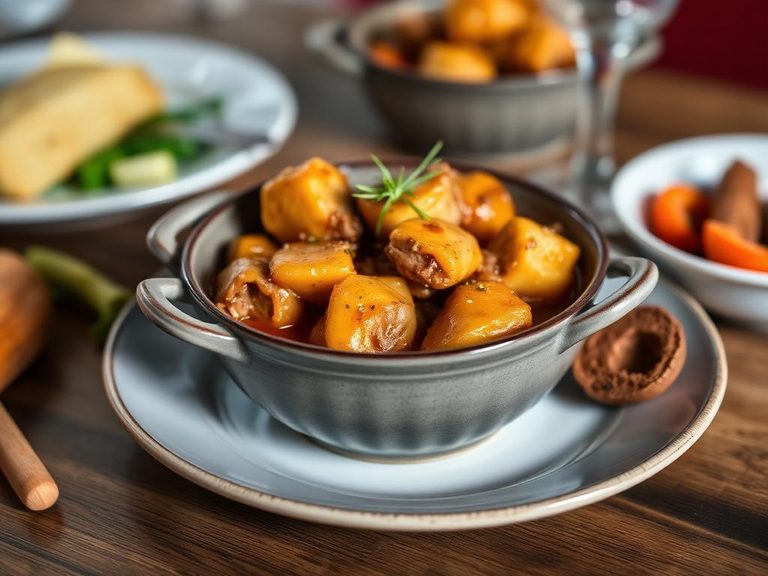
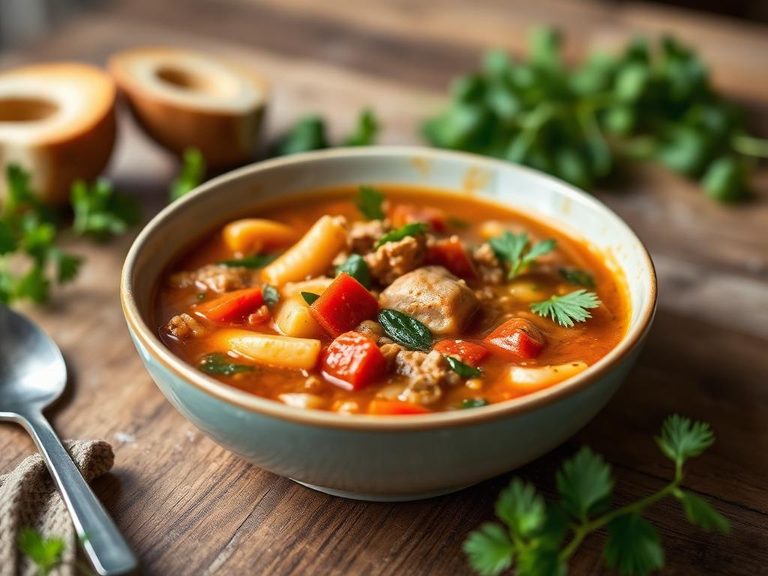
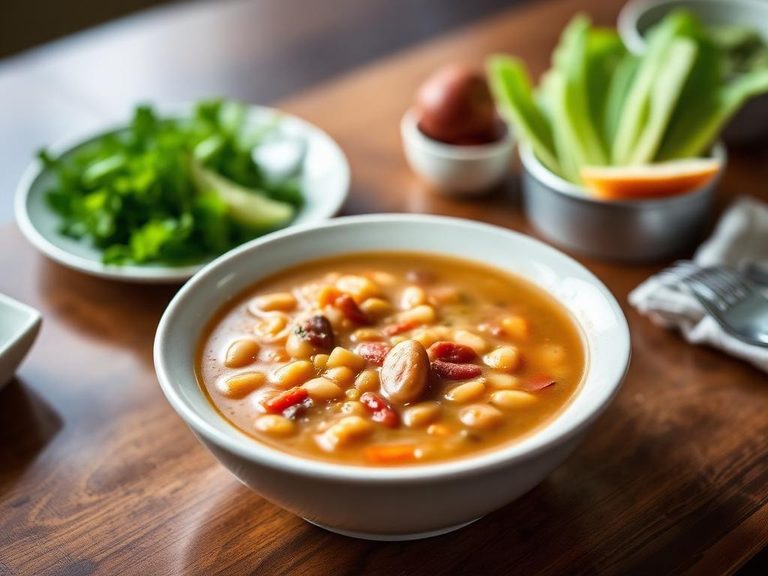
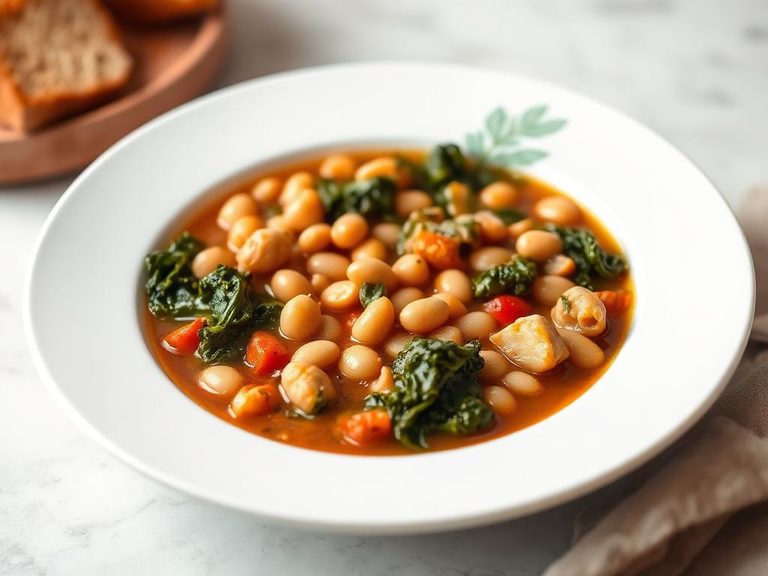
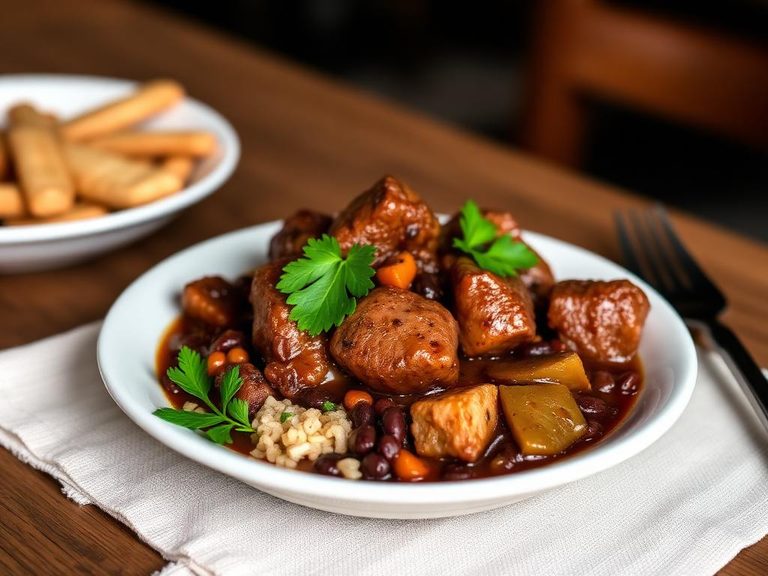
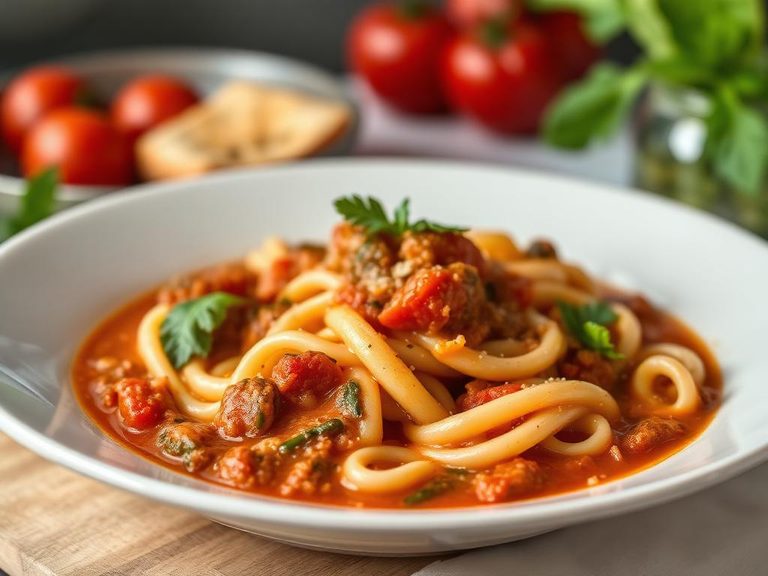
🌍 Where it's eaten
💡 Did you know?
The 'Navy bean,' a very close relative of the small white bean, earned its name because it was a staple food for U.S. Navy sailors for over a century due to its long storage life and high nutritional value.
Full nutrition (USDA data · scales with serving)
| Water | 0.00 g |
| Protein | 24.5 g |
| Total lipid (fat) | 1.3 g |
| Fiber, total dietary | 4.3 g |
| Starch | 37.5 g |
| Calcium, Ca | 236 mg |
| Iron, Fe | 4.9 mg |
| Magnesium, Mg | 182 mg |
| Phosphorus, P | 533 mg |
| Potassium, K | 1540 mg |
| Zinc, Zn | 3.5 mg |
| Copper, Cu | 1.1 mg |
| Manganese, Mn | 2.1 mg |
| Sulfur, S | 241 mg |
| Nickel, Ni | 180 ug |
| Molybdenum, Mo | 871 ug |
| Cobalt, Co | 38.9 ug |
| Boron, B | 1230 ug |
Fat & fatty acid profile (per 100g)
Estimated from Lima beans, thin seeded (baby), mature seeds, cooked, boiled, without salt — USDA does not publish this profile for Beans.
| Fatty acids, total saturated | 0.09 g |
| SFA 12:0 | 0.00 g |
| SFA 14:0 | 0.00 g |
| SFA 16:0 | 0.07 g |
| SFA 18:0 | 0.02 g |
| Fatty acids, total monounsaturated | 0.03 g |
| MUFA 16:1 | 0.00 g |
| MUFA 18:1 | 0.03 g |
| MUFA 20:1 | 0.00 g |
| MUFA 22:1 | 0.00 g |
| Fatty acids, total polyunsaturated | 0.17 g |
| PUFA 18:2 | 0.12 g |
| PUFA 18:3 | 0.05 g |
| Fatty acids, total trans | 0.00 g |
| Cholesterol | 0.00 mg |
Amino acid profile (per 100g)
Estimated from Lima beans, thin seeded (baby), mature seeds, cooked, boiled, without salt — USDA does not publish this profile for Beans.
| Tryptophan | 0.10 g |
| Threonine | 0.35 g |
| Isoleucine | 0.42 g |
| Leucine | 0.69 g |
| Lysine | 0.54 g |
| Methionine | 0.10 g |
| Cystine | 0.09 g |
| Phenylalanine | 0.46 g |
| Tyrosine | 0.28 g |
| Valine | 0.48 g |
| Arginine | 0.49 g |
| Histidine | 0.25 g |
| Alanine | 0.41 g |
| Aspartic acid | 1.0 g |
| Glutamic acid | 1.1 g |
| Glycine | 0.34 g |
| Proline | 0.37 g |
| Serine | 0.54 g |
FAQ
Are small white beans the same as Navy beans?
They are extremely similar and often used interchangeably. Navy beans are a specific variety of small white bean, prized for their uniform size and creamy texture when cooked.
How long do I need to cook them from dry?
After soaking, simmer them in water or broth for 45-60 minutes until tender. Cooking time can vary based on the age of the beans and water hardness.
Can I use canned small white beans?
Yes, canned beans are a convenient shortcut. Rinse them under cold water to reduce sodium content by up to 40% before using.
Dietary load (calculated from USDA values)
Potential renal acid load. Positive = acid-forming, negative = alkaline-forming.
Sodium:potassium per WHO potassium guidance. Computed from USDA nutrients.