

Beans, Dry, Pink (0% moisture)
Whole food · Legumes and Legume Products
These are the dried, whole seeds of the pink bean, a variety of common bean (Phaseolus vulgaris) prized for its smooth, creamy texture and mild, nutty flavor when cooked. They are a nutritional powerhouse, offering an exceptional amount of plant-based protein and dietary fiber with virtually no fat or carbohydrates in their dehydrated state.
Calorie split: 90% protein · 0% carbs · 10% fat
↓ Full nutrition💚 Why it's loved
Pink beans are beloved for their velvety, creamy texture that holds up beautifully in soups and stews, absorbing flavors while maintaining a satisfying bite. Their mild, earthy taste makes them a perfect canvas for bold seasonings, from smoky barbecue to bright Latin American spices.
⚠️ Watch-outs & how to enjoy it better
As a legume, they contain oligosaccharides that can cause gas and bloating in some individuals. To minimize this, soak dried beans for 8-12 hours, discard the soaking water, and cook thoroughly. They are also high in purines, so those with gout should moderate intake.
Key benefits
- Excellent source of high-quality plant protein for muscle maintenance and satiety.
- Rich in dietary fiber to support digestive health and promote fullness.
- Naturally low in fat and contains no cholesterol.
- Provides essential minerals like iron, magnesium, and potassium.
- A versatile, shelf-stable staple for budget-conscious, plant-based nutrition.
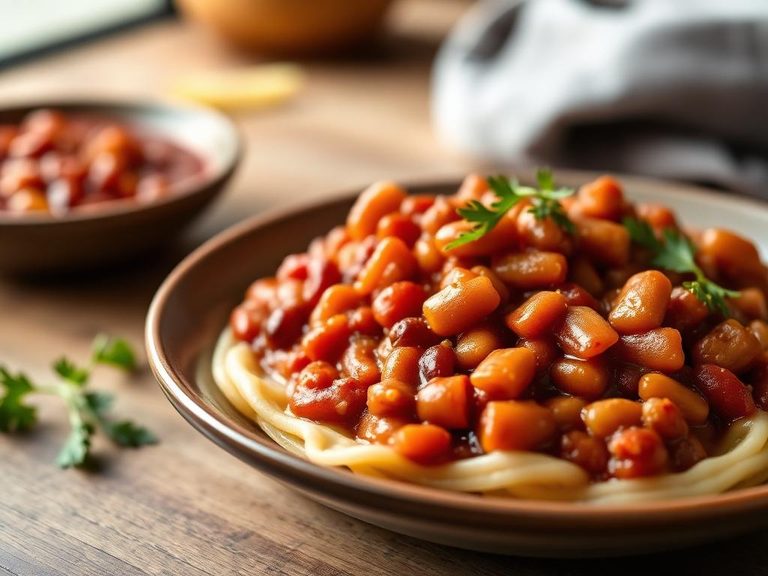
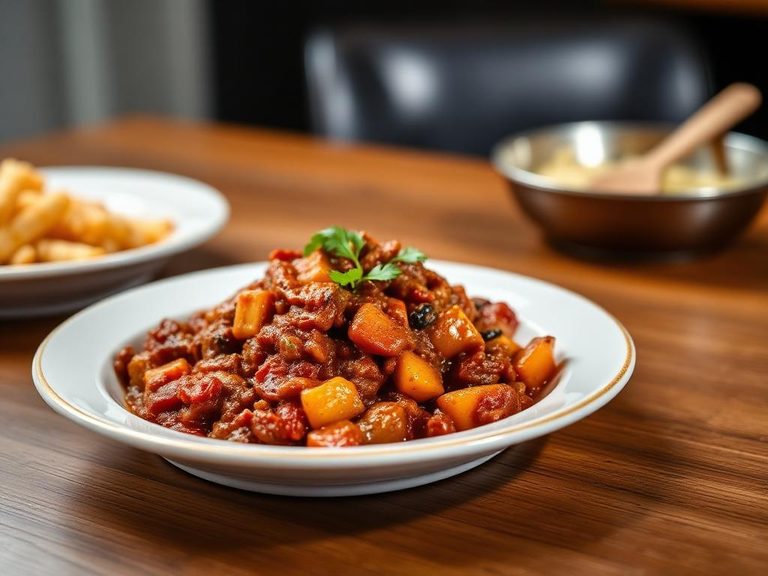
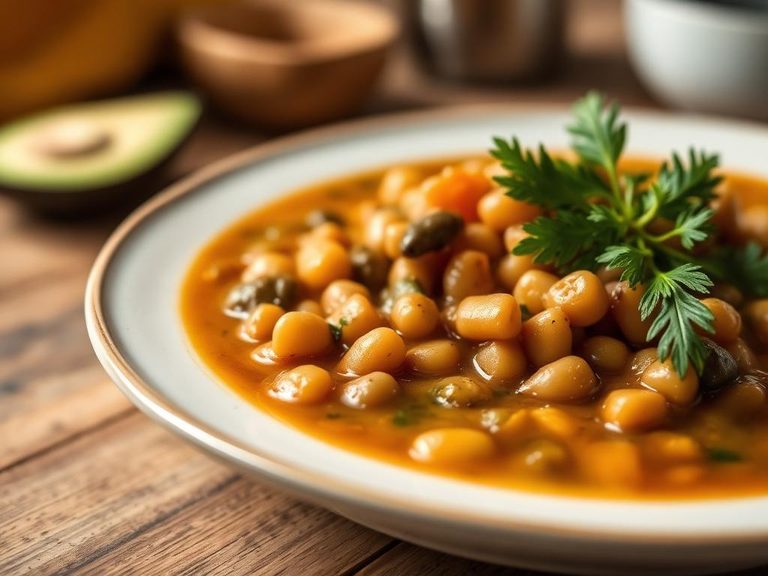
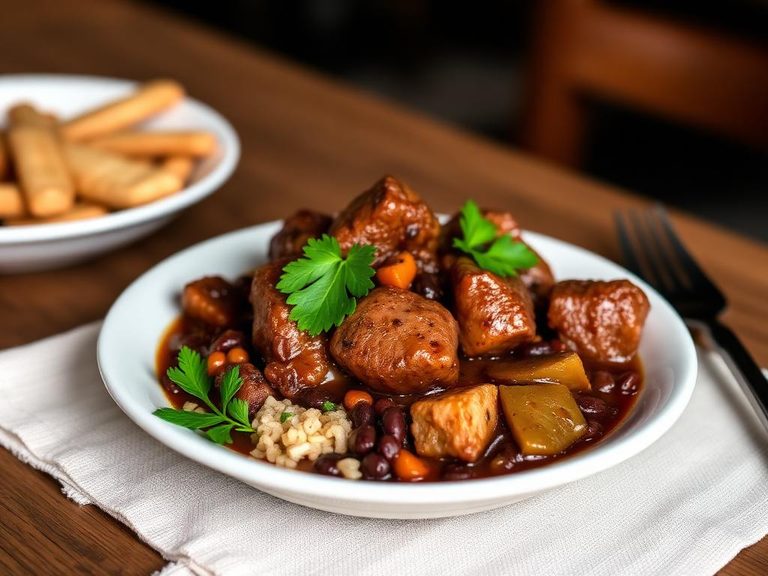
🍽️ Popular dishes
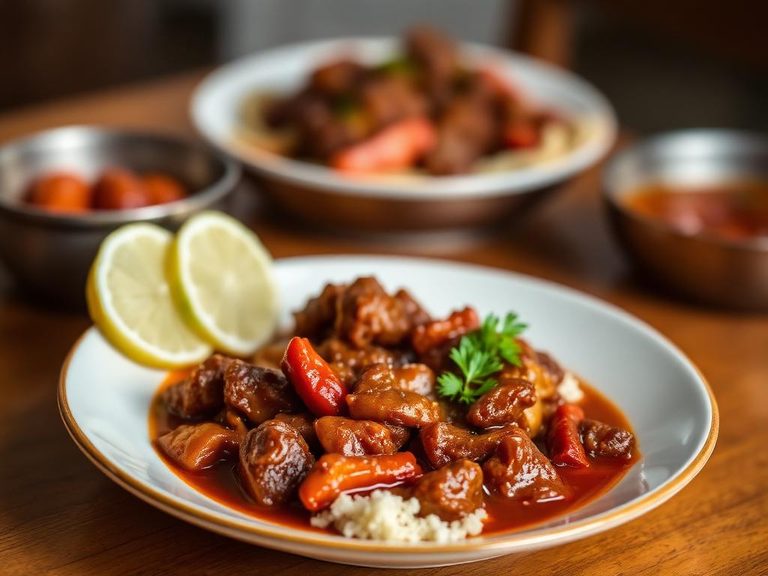
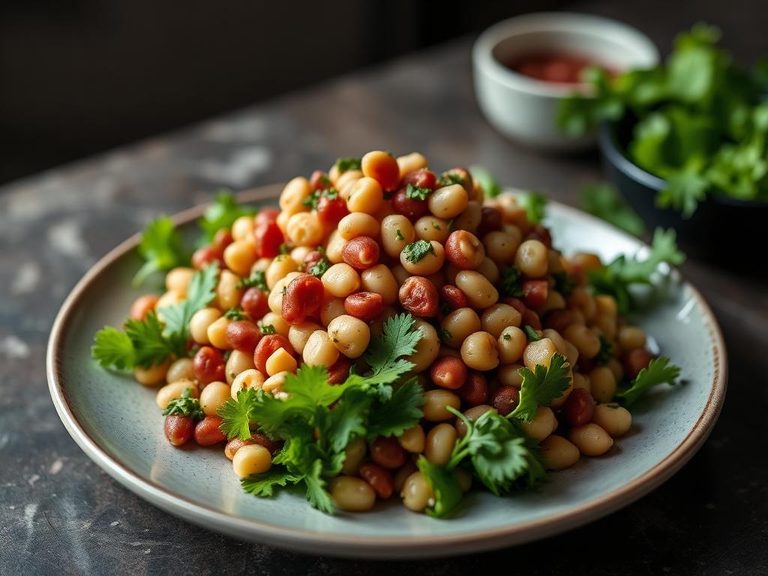
🌍 Where it's eaten
💡 Did you know?
The vibrant pink color of these beans comes from anthocyanin pigments, the same antioxidants found in berries like blueberries and raspberries.
Full nutrition (USDA data · scales with serving)
| Water | 0.00 g |
| Protein | 23.4 g |
| Total lipid (fat) | 1.2 g |
| Fiber, total dietary | 4.1 g |
| Starch | 38.1 g |
| Calcium, Ca | 137 mg |
| Iron, Fe | 5.5 mg |
| Magnesium, Mg | 164 mg |
| Phosphorus, P | 491 mg |
| Potassium, K | 1490 mg |
| Zinc, Zn | 3.3 mg |
| Copper, Cu | 0.95 mg |
| Manganese, Mn | 1.7 mg |
| Sulfur, S | 219 mg |
| Nickel, Ni | 191 ug |
| Molybdenum, Mo | 607 ug |
| Cobalt, Co | 44.0 ug |
| Boron, B | 1170 ug |
Fat & fatty acid profile (per 100g)
Estimated from Lima beans, thin seeded (baby), mature seeds, cooked, boiled, without salt — USDA does not publish this profile for Beans.
| Fatty acids, total saturated | 0.09 g |
| SFA 12:0 | 0.00 g |
| SFA 14:0 | 0.00 g |
| SFA 16:0 | 0.07 g |
| SFA 18:0 | 0.02 g |
| Fatty acids, total monounsaturated | 0.03 g |
| MUFA 16:1 | 0.00 g |
| MUFA 18:1 | 0.03 g |
| MUFA 20:1 | 0.00 g |
| MUFA 22:1 | 0.00 g |
| Fatty acids, total polyunsaturated | 0.17 g |
| PUFA 18:2 | 0.12 g |
| PUFA 18:3 | 0.05 g |
| Fatty acids, total trans | 0.00 g |
| Cholesterol | 0.00 mg |
Amino acid profile (per 100g)
Estimated from Lima beans, thin seeded (baby), mature seeds, cooked, boiled, without salt — USDA does not publish this profile for Beans.
| Tryptophan | 0.10 g |
| Threonine | 0.35 g |
| Isoleucine | 0.42 g |
| Leucine | 0.69 g |
| Lysine | 0.54 g |
| Methionine | 0.10 g |
| Cystine | 0.09 g |
| Phenylalanine | 0.46 g |
| Tyrosine | 0.28 g |
| Valine | 0.48 g |
| Arginine | 0.49 g |
| Histidine | 0.25 g |
| Alanine | 0.41 g |
| Aspartic acid | 1.0 g |
| Glutamic acid | 1.1 g |
| Glycine | 0.34 g |
| Proline | 0.37 g |
| Serine | 0.54 g |
FAQ
How do I cook dried pink beans?
Sort and rinse the beans, then soak them overnight in cold water (or use a quick-soak method: boil for 2 minutes, then let stand for 1 hour). Drain, cover with fresh water, and simmer for 1-1.5 hours until tender. Add salt only towards the end of cooking to prevent tough skins.
Are pink beans the same as pinto beans?
No, they are distinct varieties. Pink beans are smaller, rounder, and have a more uniform pink color, while pinto beans are larger, oval, and have a speckled ('painted') appearance that fades to a uniform brown when cooked. Their flavors and textures are similar but not identical.
Can I use canned pink beans?
Yes, canned pink beans are a convenient alternative. They are pre-cooked and ready to use; simply drain and rinse them to remove excess sodium. They work perfectly in salads, quick soups, and dips where long cooking isn't required.
Dietary load (calculated from USDA values)
Potential renal acid load. Positive = acid-forming, negative = alkaline-forming.
Sodium:potassium per WHO potassium guidance. Computed from USDA nutrients.