

Yogurt, Greek, nonfat, Fruit on Bottom, Blackberry, CHOBANI
Whole food · Dairy and Egg Products

Photo: Wikipedia
This is a single-serving, fruit-on-the-bottom cup of nonfat Greek yogurt featuring a sweet blackberry compote. It delivers a thick, creamy, and tangy base that contrasts with the jammy, berry-forward fruit layer, offering a satisfying textural experience. Nutritionally, it is a high-protein, low-fat snack with a notable sugar content from the added fruit.
Calorie split: 32% protein · 65% carbs · 3% fat
↓ Full nutrition💚 Why it's loved
People love it for the convenient, balanced combination of creamy tang and sweet fruit, making it a quick, protein-packed breakfast or snack. Its versatility allows it to be eaten alone, blended into smoothies, or used as a base for both sweet and savory dishes.
⚠️ Watch-outs & how to enjoy it better
The primary downside is the relatively high sugar content (14.93g per 100g), which can cause blood-sugar spikes if consumed in large amounts. To counteract this, pair it with a source of healthy fat or fiber, like a handful of nuts or chia seeds, to slow sugar absorption. Those with lactose intolerance should also be cautious, though Greek yogurt is often better tolerated due to the straining process.
Key benefits
- High in protein for muscle maintenance and satiety
- Fat-free, making it a low-calorie, high-protein option
- Contains calcium for bone health
- Convenient, pre-portioned snack
- Probiotic cultures may support gut health
🍽️ Popular dishes

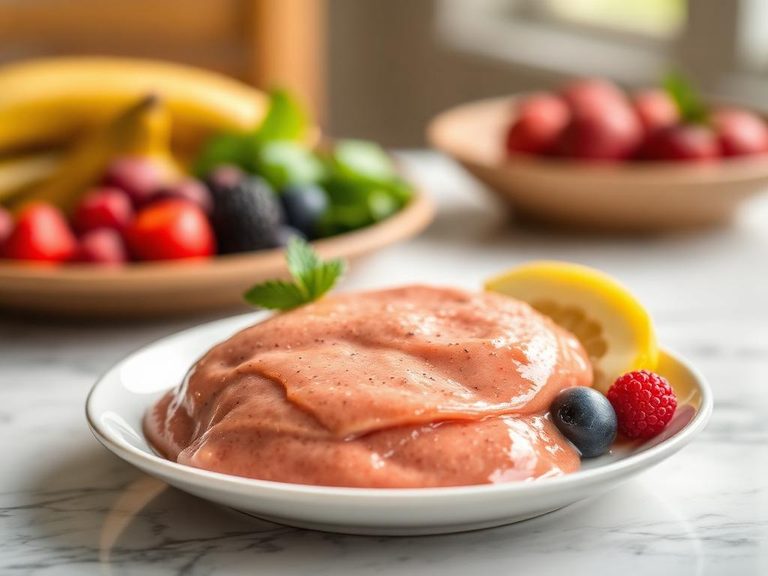
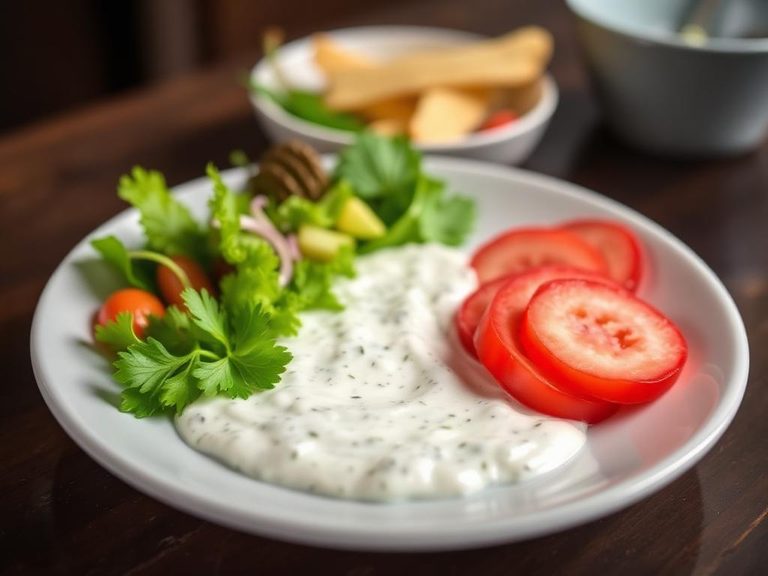
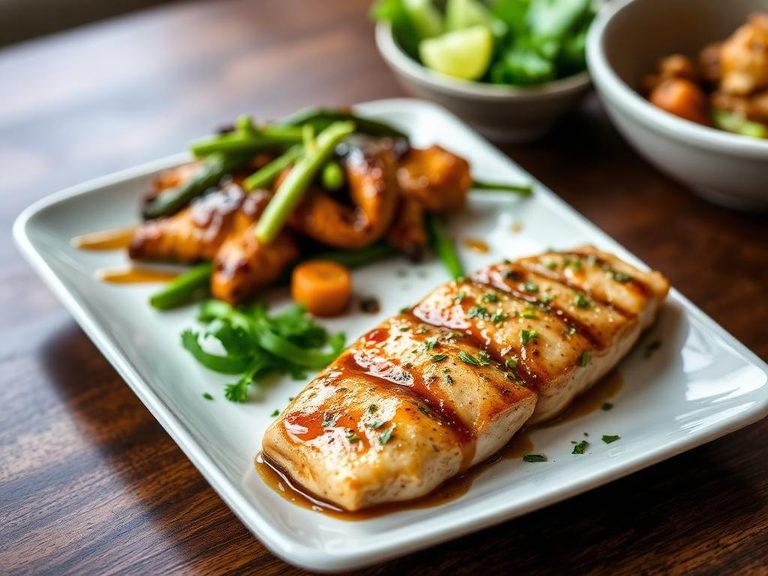
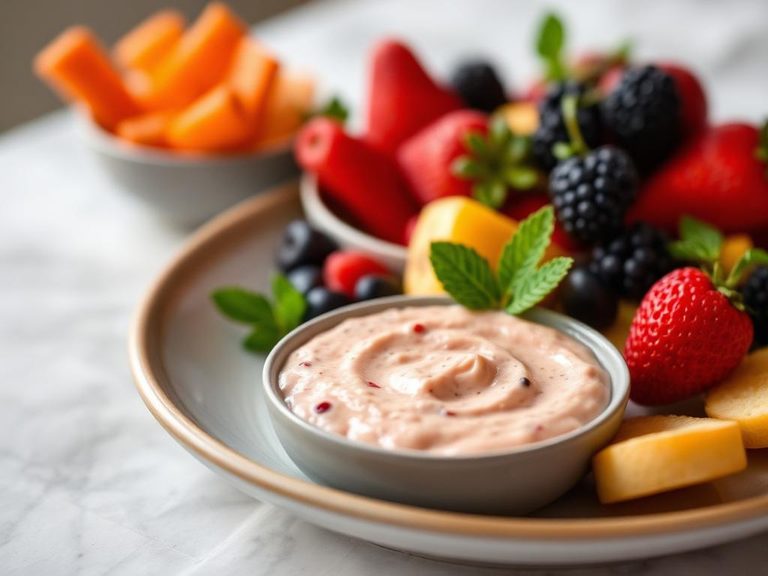
🌍 Where it's eaten
💡 Did you know?
The 'fruit on the bottom' design was popularized in the 1970s to prevent the fruit from turning the yogurt pink and to give consumers control over how much fruit they mix in.
Full nutrition (USDA data · scales with serving)
| Water | 76.0 g |
| Energy | 95.0 kcal |
| Energy | 398 kj |
| Protein | 7.5 g |
| Total lipid (fat) | 0.37 g |
| Ash | 0.66 g |
| Carbohydrate, by difference | 15.4 g |
| Fiber, total dietary | 0.40 g |
| Total Sugars | 14.9 g |
| Sucrose | 7.1 g |
| Glucose | 2.6 g |
| Fructose | 2.8 g |
| Lactose | 2.4 g |
| Maltose | 0.11 g |
| Calcium, Ca | 94.0 mg |
| Iron, Fe | 0.00 mg |
| Potassium, K | 0.00 mg |
| Sodium, Na | 0.00 mg |
| Vitamin C, total ascorbic acid | 0.40 mg |
| Vitamin A, RAE | 3.0 ug |
| Retinol | 0.00 ug |
| Carotene, beta | 37.0 ug |
| Carotene, alpha | 0.00 ug |
| Cryptoxanthin, beta | 0.00 ug |
| Vitamin A, IU | 62.0 iu |
| Alcohol, ethyl | 0.00 g |
| Caffeine | 0.00 mg |
Fat & fatty acid profile (per 100g)
| Fatty acids, total saturated | 0.19 g |
| Fatty acids, total monounsaturated | 0.06 g |
| Fatty acids, total polyunsaturated | 0.12 g |
| Fatty acids, total trans | 0.01 g |
| Cholesterol | 4.0 mg |
Amino acid profile (per 100g)
| Tryptophan | 0.11 g |
| Threonine | 0.34 g |
| Isoleucine | 0.41 g |
| Leucine | 0.75 g |
| Lysine | 0.65 g |
| Methionine | 0.21 g |
| Cystine | 0.05 g |
| Phenylalanine | 0.38 g |
| Tyrosine | 0.38 g |
| Valine | 0.49 g |
| Arginine | 0.27 g |
| Histidine | 0.22 g |
| Alanine | 0.26 g |
| Aspartic acid | 0.60 g |
| Glutamic acid | 1.6 g |
| Glycine | 0.14 g |
| Proline | 0.77 g |
| Serine | 0.41 g |
FAQ
Is this yogurt good for weight loss?
It can be, as it's high in protein and low in fat, which promotes fullness. However, be mindful of the added sugar in the fruit layer.
Can I eat this if I'm lactose intolerant?
Many people with lactose intolerance can tolerate Greek yogurt because the straining process removes much of the lactose. However, individual tolerance varies.
How does this differ from regular yogurt?
Greek yogurt is strained to remove whey, resulting in a thicker, creamier texture and a higher protein concentration per serving compared to regular yogurt.
Nutrient density (calculated · NRF9.3)
Nutrient Rich Foods index: beneficial nutrients (protein, fiber, vitamins, minerals) minus saturated fat, added sugar & sodium, per 100 kcal.
NRF9.3 index — Fulgoni, Keast & Drewnowski, 2009. Computed from USDA nutrients.
Weight-loss friendliness (composite index)
Energy density 0.95 kcal/g · 32% calories from protein · 0.4 g fiber · 14.9 g sugar per 100 g.
Composite of energy density (Rolls et al., 1999), protein & fiber satiety, minus sugar. A calculated heuristic — ranks satiety-per-calorie, not a clinical measure.