

Spices, dill weed, dried
Whole food · Spices and Herbs

Photo: Wikipedia
Dried dill weed is the feathery, needle-like foliage of the dill plant (*Anethum graveolens*), harvested and dried to concentrate its bright, anise-like, and subtly grassy aroma. Its flavor is more delicate than fresh dill, offering a warm, slightly tangy, and herbaceous punch that transforms soups, sauces, and pickles. Nutritionally, it is surprisingly dense, boasting a high protein content (nearly 20g per 100g) and significant fiber (13.6g), making it a potent, low-calorie flavor booster.
Calorie split: 23% protein · 65% carbs · 11% fat
↓ Full nutrition💚 Why it's loved
People love dried dill weed for its ability to instantly brighten heavy dishes with a fresh, tangy, and slightly sweet flavor that cuts through richness. Its versatility in both savory and pickling applications, from creamy sauces to briny cucumbers, makes it a staple in many global kitchens.
⚠️ Watch-outs & how to enjoy it better
Dried dill can sometimes have a slightly bitter or musty flavor if stored too long, and its strong aroma can be overpowering if used excessively. To counteract this, use it sparingly (start with 1/4 teaspoon) and pair it with creamy elements like yogurt, sour cream, or butter to mellow its intensity. For those with sensitive stomachs, its high fiber content may cause mild bloating; gradually increasing intake and drinking plenty of water can help.
Key benefits
- Rich in dietary fiber (13.6g per 100g) to support digestive health and satiety.
- Surprisingly high in plant-based protein (19.96g per 100g) for a dried herb.
- Contains essential minerals like iron, manganese, and calcium for bone and blood health.
- Provides antioxidant compounds that help combat oxidative stress.
- Adds intense flavor without added sugar or fat, aiding in low-calorie meal preparation.
🍽️ Popular dishes
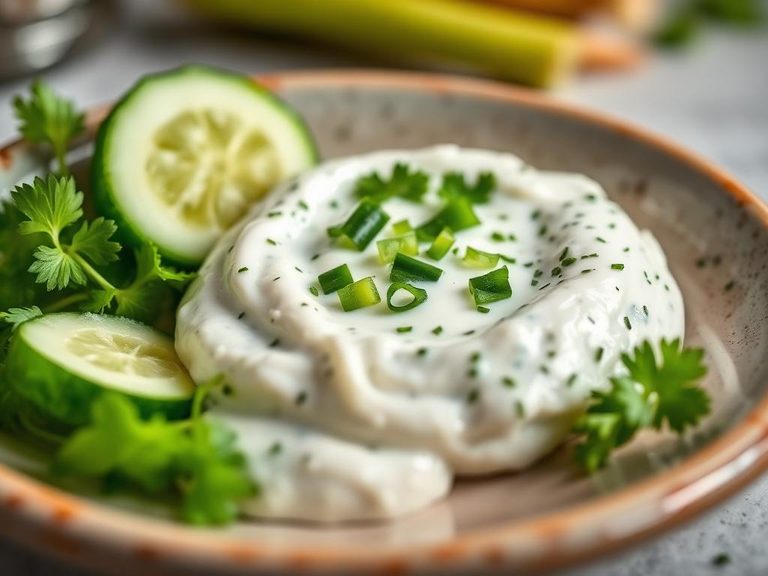
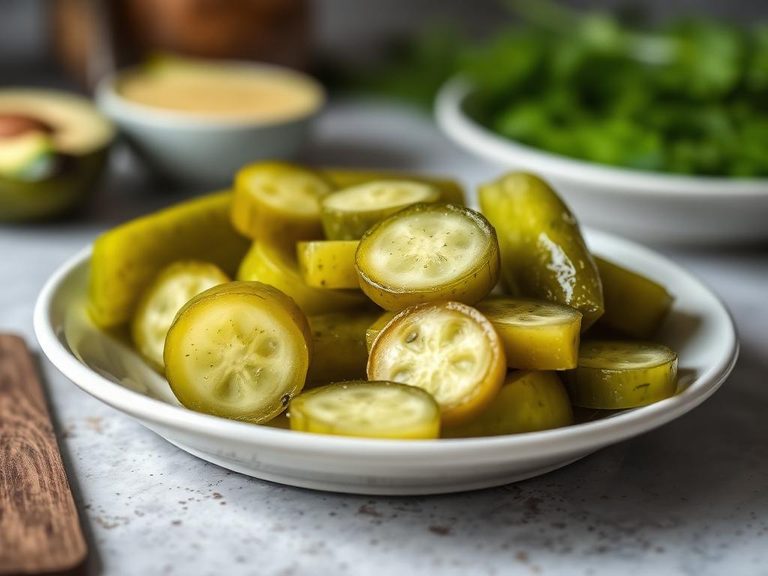
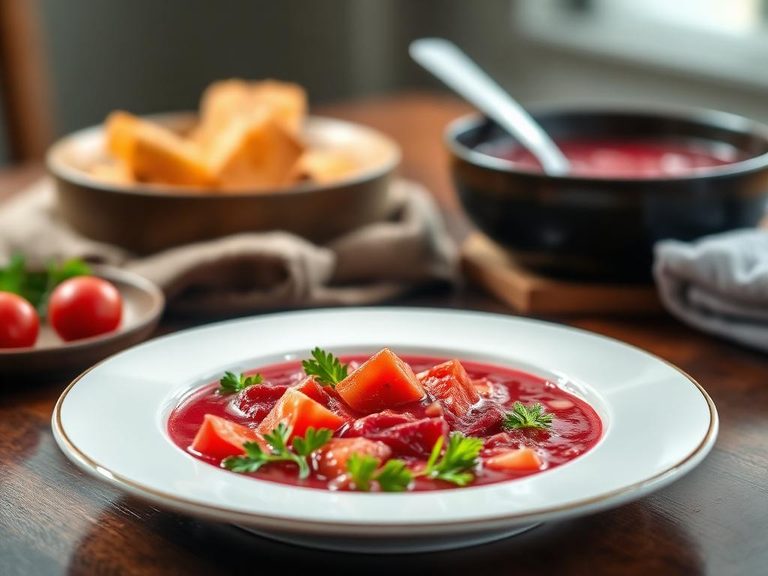
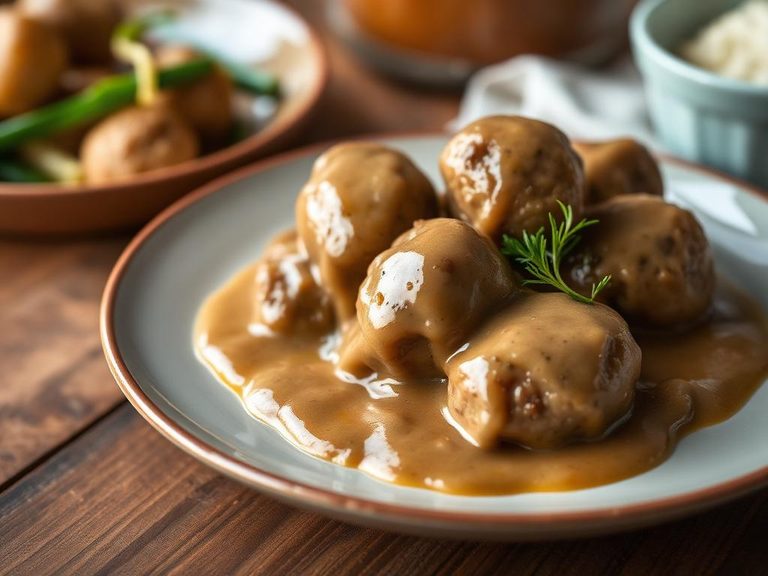
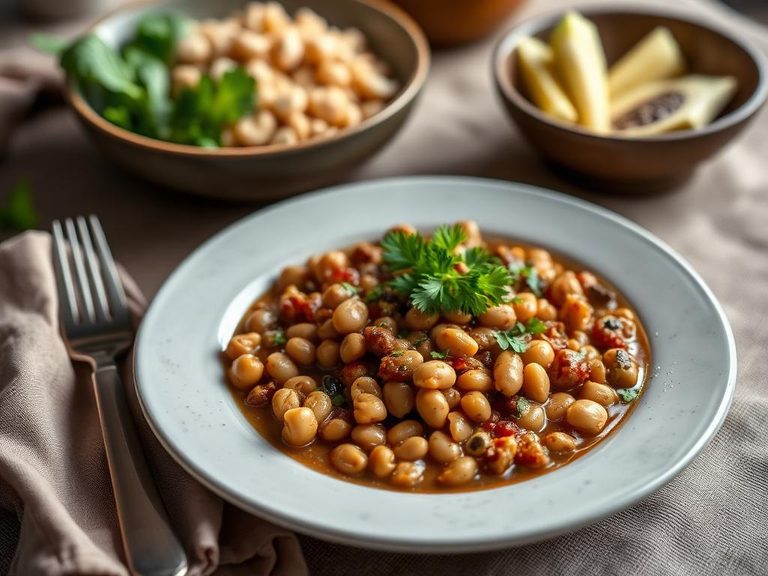
🌍 Where it's eaten
💡 Did you know?
Dill weed was historically believed to have magical properties; in ancient times, it was used to ward off evil spirits and was often placed in cradles to protect infants from witches.
Full nutrition (USDA data · scales with serving)
| Water | 7.3 g |
| Energy | 253 kcal |
| Energy | 1059 kj |
| Protein | 20.0 g |
| Total lipid (fat) | 4.4 g |
| Ash | 12.6 g |
| Carbohydrate, by difference | 55.8 g |
| Fiber, total dietary | 13.6 g |
| Calcium, Ca | 1784 mg |
| Iron, Fe | 48.8 mg |
| Magnesium, Mg | 451 mg |
| Phosphorus, P | 543 mg |
| Potassium, K | 3308 mg |
| Sodium, Na | 208 mg |
| Zinc, Zn | 3.3 mg |
| Copper, Cu | 0.49 mg |
| Manganese, Mn | 4.0 mg |
| Vitamin C, total ascorbic acid | 50.0 mg |
| Thiamin | 0.42 mg |
| Riboflavin | 0.28 mg |
| Niacin | 2.8 mg |
| Vitamin B-6 | 1.7 mg |
| Vitamin B-12 | 0.00 ug |
| Vitamin A, RAE | 293 ug |
| Retinol | 0.00 ug |
| Vitamin A, IU | 5850 iu |
| Vitamin D (D2 + D3), International Units | 0.00 iu |
| Vitamin D (D2 + D3) | 0.00 ug |
Fat & fatty acid profile (per 100g)
| Fatty acids, total saturated | 0.23 g |
| Fatty acids, total trans | 0.00 g |
| Cholesterol | 0.00 mg |
Amino acid profile (per 100g)
Estimated from Spices, garlic powder — USDA does not publish this profile for Spices.
| Tryptophan | 0.12 g |
| Threonine | 0.37 g |
| Isoleucine | 0.41 g |
| Leucine | 0.73 g |
| Lysine | 0.77 g |
| Methionine | 0.11 g |
| Cystine | 0.25 g |
| Phenylalanine | 0.53 g |
| Tyrosine | 0.45 g |
| Valine | 0.67 g |
| Arginine | 3.4 g |
| Histidine | 0.26 g |
| Alanine | 0.48 g |
| Aspartic acid | 1.9 g |
| Glutamic acid | 3.7 g |
| Glycine | 0.53 g |
| Proline | 1.4 g |
| Serine | 0.51 g |
| Hydroxyproline | 0.00 g |
FAQ
What is the difference between dried dill weed and dried dill seed?
Dried dill weed refers to the dried leaves and stems of the plant, which have a more delicate, grassy, and slightly anise-like flavor. Dried dill seed is the fruit of the plant, which has a stronger, more pungent, and earthy flavor, often used in pickling and spice blends.
How should I store dried dill weed to preserve its flavor?
Store dried dill weed in an airtight container, away from direct sunlight and heat, in a cool, dark place like a pantry. It will retain its best flavor for about 1-2 years, though its potency will gradually diminish over time.
Can I substitute dried dill weed for fresh dill in recipes?
Yes, but use about 1/3 of the amount of dried dill weed compared to fresh dill, as the flavor is more concentrated. Add it earlier in the cooking process to allow its flavors to rehydrate and meld into the dish.
Nutrient density (calculated · NRF9.3)
Nutrient Rich Foods index: beneficial nutrients (protein, fiber, vitamins, minerals) minus saturated fat, added sugar & sodium, per 100 kcal.
NRF9.3 index — Fulgoni, Keast & Drewnowski, 2009. Computed from USDA nutrients.
Weight-loss friendliness (composite index)
Energy density 2.53 kcal/g · 32% calories from protein · 13.6 g fiber · 0.0 g sugar per 100 g.
Composite of energy density (Rolls et al., 1999), protein & fiber satiety, minus sugar. A calculated heuristic — ranks satiety-per-calorie, not a clinical measure.
Dietary load (calculated from USDA values)
Potential renal acid load. Positive = acid-forming, negative = alkaline-forming.
Sodium-to-potassium ratio: 0.06 (lower is better — aim for ≤ 1)
Sodium:potassium per WHO potassium guidance. Computed from USDA nutrients.