

Soymilk, original and vanilla, light, unsweetened, with added calcium, vitamins A and D
Whole food · Legumes and Legume Products

Photo: Wikipedia
A light, unsweetened soy milk fortified with calcium and vitamins A and D, offering a clean, subtly nutty flavor and a smooth, thin texture. It's a low-calorie, plant-based milk alternative that packs a surprising protein punch for its calorie count. This version is specifically formulated for those seeking a nutritious, no-added-sugar beverage.
Calorie split: 31% protein · 46% carbs · 23% fat
↓ Full nutrition💚 Why it's loved
It's cherished as a versatile, dairy-free staple that seamlessly fits into smoothies, cereals, and coffee without overpowering other flavors. Its neutral profile and nutritional fortification make it a trusted choice for health-conscious individuals and those with dietary restrictions.
⚠️ Watch-outs & how to enjoy it better
The light, unsweetened version can taste overly bland or beany to some, and its thin texture may not satisfy those craving creamy richness. As a common allergen, soy is unsuitable for individuals with soy allergies. To counteract blandness, blend it with fruits for smoothies or use it in savory cooking where it absorbs other flavors well.
Key benefits
- Excellent source of plant-based protein (2.62g per 100g).
- Fortified with bone-health nutrients: calcium, vitamins A & D.
- Very low in calories (34 kcal per 100g) and sugar (0.41g).
- Naturally free of cholesterol and lactose.
- Provides dietary fiber (0.6g per 100g).
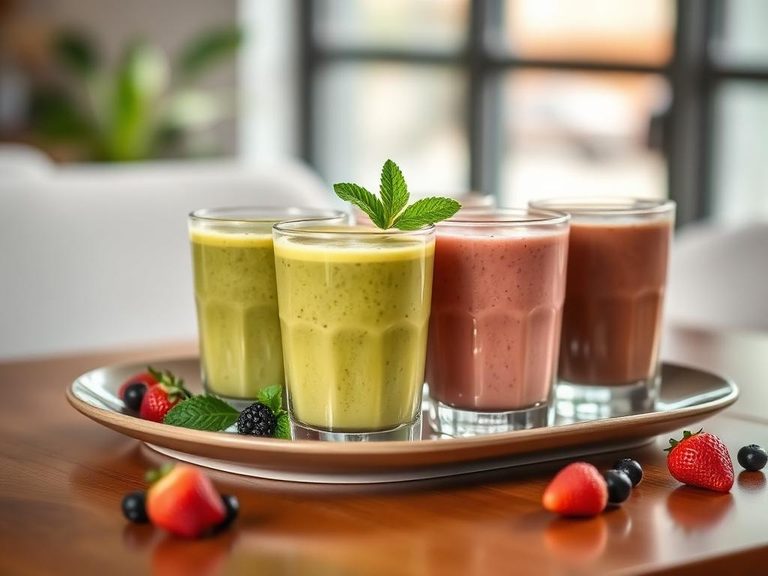
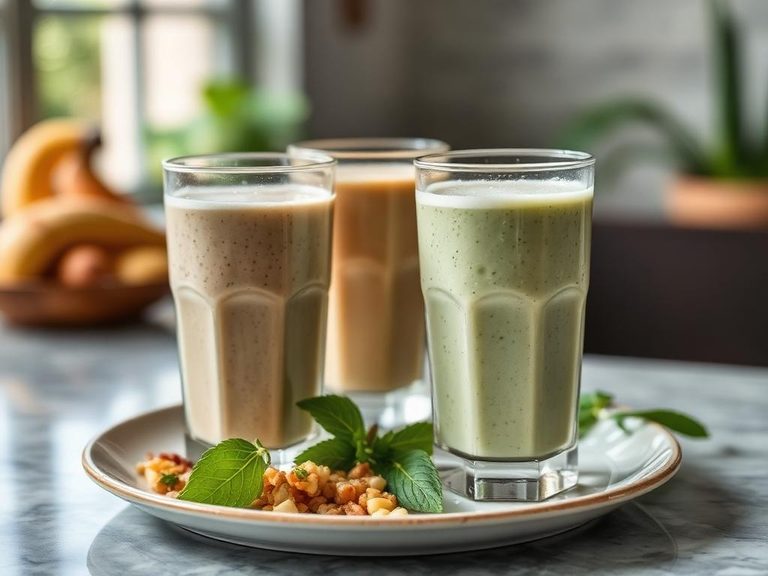
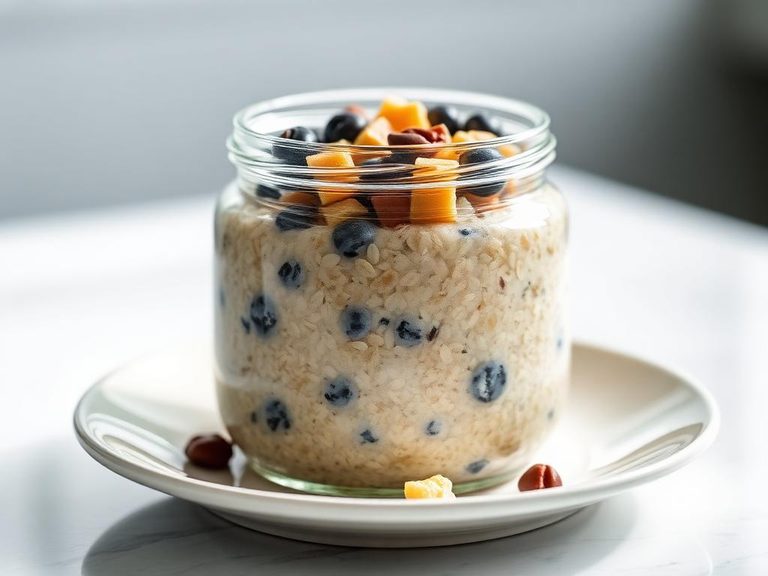
🍽️ Popular dishes

🌍 Where it's eaten
💡 Did you know?
This specific light, fortified formulation is a modern innovation; traditional soymilk, or 'doujiang,' has been a staple beverage in East Asia for over two thousand years.
Full nutrition (USDA data · scales with serving)
| Water | 92.0 g |
| Energy | 34.0 kcal |
| Energy | 140 kj |
| Protein | 2.6 g |
| Total lipid (fat) | 0.85 g |
| Ash | 0.64 g |
| Carbohydrate, by difference | 3.9 g |
| Fiber, total dietary | 0.60 g |
| Total Sugars | 0.41 g |
| Calcium, Ca | 123 mg |
| Iron, Fe | 0.46 mg |
| Magnesium, Mg | 13.0 mg |
| Phosphorus, P | 103 mg |
| Potassium, K | 117 mg |
| Sodium, Na | 63.0 mg |
| Zinc, Zn | 0.10 mg |
| Vitamin C, total ascorbic acid | 0.00 mg |
| Riboflavin | 0.17 mg |
| Folate, total | 7.0 ug |
| Folate, food | 7.0 ug |
| Vitamin B-12 | 0.23 ug |
| Vitamin A, IU | 206 iu |
| Vitamin D (D2 + D3), International Units | 41.0 iu |
| Vitamin D (D2 + D3) | 1.0 ug |
| Vitamin D2 (ergocalciferol) | 1.0 ug |
Fat & fatty acid profile (per 100g)
| Fatty acids, total saturated | 0.08 g |
| Fatty acids, total monounsaturated | 0.26 g |
| Fatty acids, total polyunsaturated | 0.56 g |
| Fatty acids, total trans | 0.00 g |
| Cholesterol | 0.00 mg |
Amino acid profile (per 100g)
Estimated from Soymilk, chocolate, unfortified — USDA does not publish this profile for Soymilk.
| Tryptophan | 0.04 g |
| Threonine | 0.11 g |
| Isoleucine | 0.11 g |
| Leucine | 0.19 g |
| Lysine | 0.13 g |
| Methionine | 0.03 g |
| Cystine | 0.00 g |
| Phenylalanine | 0.11 g |
| Tyrosine | 0.09 g |
| Valine | 0.12 g |
| Arginine | 0.19 g |
| Histidine | 0.06 g |
| Alanine | 0.10 g |
| Aspartic acid | 0.29 g |
| Glutamic acid | 0.49 g |
| Glycine | 0.10 g |
| Proline | 0.15 g |
| Serine | 0.14 g |
FAQ
Is this soymilk suitable for a keto diet?
It's relatively low in net carbs (3.25g per 100g after subtracting fiber), making it a possible fit for some keto plans in moderate portions, but always check your daily carb limits.
Why are vitamins A and D added?
They are added to mimic the nutrient profile of fortified dairy milk, supporting immune function (vitamin A) and bone health (vitamin D), especially important for those avoiding dairy.
Can I use this for baking?
Yes, its neutral flavor works well in muffins, pancakes, and cakes. Its light texture means it may not add the same richness as full-fat milk, so consider adding a bit of oil or fat for moist baked goods.
Nutrient density (calculated · NRF9.3)
Nutrient Rich Foods index: beneficial nutrients (protein, fiber, vitamins, minerals) minus saturated fat, added sugar & sodium, per 100 kcal.
NRF9.3 index — Fulgoni, Keast & Drewnowski, 2009. Computed from USDA nutrients.
Weight-loss friendliness (composite index)
Energy density 0.34 kcal/g · 31% calories from protein · 0.6 g fiber · 0.4 g sugar per 100 g.
Composite of energy density (Rolls et al., 1999), protein & fiber satiety, minus sugar. A calculated heuristic — ranks satiety-per-calorie, not a clinical measure.
Dietary load (calculated from USDA values)
Potential renal acid load. Positive = acid-forming, negative = alkaline-forming.
Sodium-to-potassium ratio: 0.54 (lower is better — aim for ≤ 1)
Sodium:potassium per WHO potassium guidance. Computed from USDA nutrients.