

Puddings, tapioca, dry mix, with no added salt
Whole food · Sweets

Photo: Wikipedia
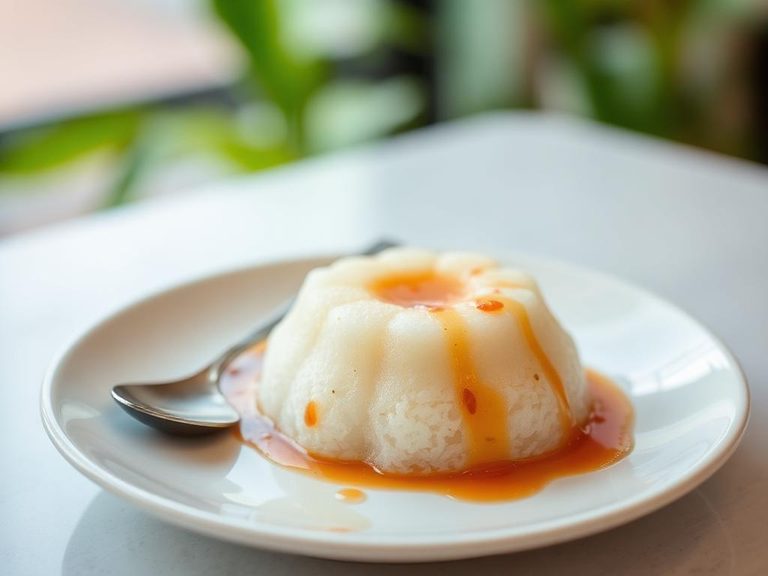
This is the starchy, powdered heart of classic tapioca pudding, a dry blend of tiny, pearlescent tapioca pearls and sugar. When cooked, it transforms into a uniquely textured dessert with soft, chewy pearls suspended in a creamy, sweet custard. Its primary nutritional characteristic is being a dense source of pure carbohydrate energy.
Calorie split: 0% protein · 100% carbs · 0% fat
↓ Full nutrition💚 Why it's loved
People adore it for its nostalgic, comforting sweetness and the playful, bouncy texture of the cooked pearls. It's a versatile base that can be served warm or chilled and easily customized with spices, fruits, or extracts.
⚠️ Watch-outs & how to enjoy it better
The high carbohydrate content can cause rapid blood-sugar spikes, making it less suitable for diabetics or those managing glucose levels. To counteract this, pair a modest portion with a source of protein or fat (like nuts or a dollop of Greek yogurt) to slow digestion. Always check labels for added allergens like milk powder.
Key benefits
- Quick source of energy
- Naturally gluten-free
- Very low in fat and sodium
- Long shelf life as a dry mix
- Simple, familiar comfort food
🍽️ Popular dishes
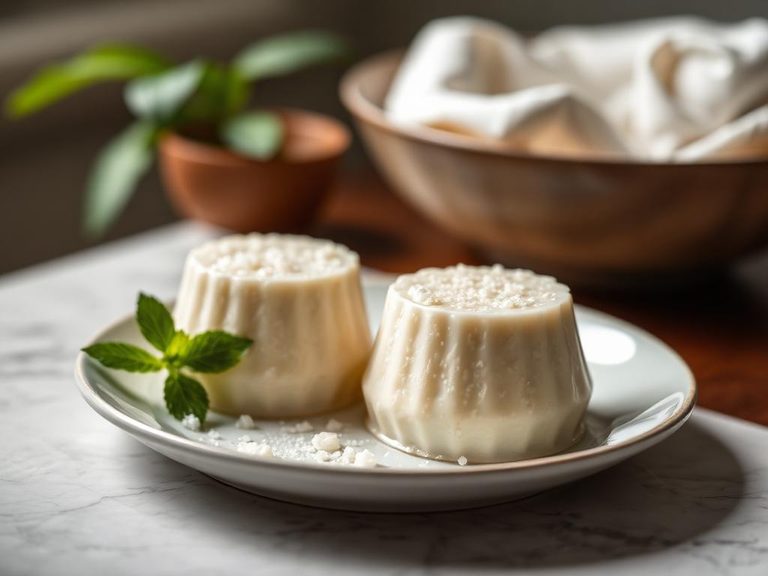
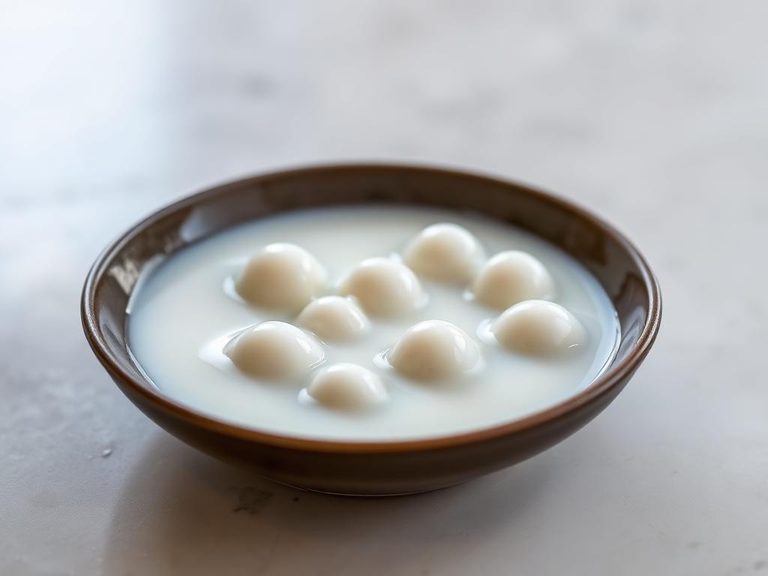
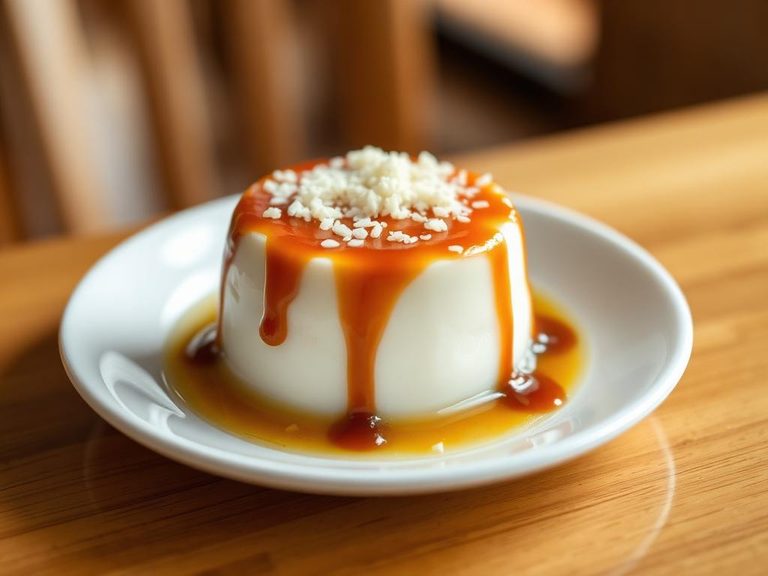
🌍 Where it's eaten
💡 Did you know?
Tapioca pearls are made from cassava root, a starchy tuber native to South America that became a global staple after Portuguese traders introduced it to Africa and Asia in the 16th century.
Full nutrition (USDA data · scales with serving)
| Water | 4.0 g |
| Energy | 369 kcal |
| Energy | 1544 kj |
| Protein | 0.10 g |
| Total lipid (fat) | 0.10 g |
| Ash | 1.4 g |
| Carbohydrate, by difference | 94.3 g |
| Fiber, total dietary | 0.20 g |
| Calcium, Ca | 4.0 mg |
| Iron, Fe | 0.12 mg |
| Magnesium, Mg | 2.0 mg |
| Phosphorus, P | 4.0 mg |
| Potassium, K | 5.0 mg |
| Sodium, Na | 8.0 mg |
| Zinc, Zn | 0.08 mg |
| Copper, Cu | 0.03 mg |
| Manganese, Mn | 0.03 mg |
| Selenium, Se | 0.10 ug |
| Vitamin C, total ascorbic acid | 0.00 mg |
| Thiamin | 0.00 mg |
| Riboflavin | 0.01 mg |
| Niacin | 0.00 mg |
| Pantothenic acid | 0.01 mg |
| Vitamin B-6 | 0.03 mg |
| Folate, total | 0.00 ug |
| Folic acid | 0.00 ug |
| Folate, food | 0.00 ug |
| Folate, DFE | 0.00 ug |
| Vitamin B-12 | 0.00 ug |
| Vitamin A, RAE | 0.00 ug |
| Retinol | 0.00 ug |
| Vitamin A, IU | 0.00 iu |
| Caffeine | 0.00 mg |
| Theobromine | 0.00 mg |
Fat & fatty acid profile (per 100g)
| Cholesterol | 0.00 mg |
Amino acid profile (per 100g)
| Tryptophan | 0.00 g |
| Threonine | 0.00 g |
| Isoleucine | 0.00 g |
| Leucine | 0.01 g |
| Lysine | 0.00 g |
| Methionine | 0.00 g |
| Cystine | 0.00 g |
| Phenylalanine | 0.00 g |
| Tyrosine | 0.00 g |
| Valine | 0.01 g |
| Arginine | 0.01 g |
| Histidine | 0.00 g |
| Alanine | 0.01 g |
| Aspartic acid | 0.01 g |
| Glutamic acid | 0.02 g |
| Glycine | 0.00 g |
| Proline | 0.01 g |
| Serine | 0.00 g |
FAQ
What's the difference between instant and regular dry tapioca mix?
Instant mixes use pre-cooked, pregelatinized pearls that dissolve and thicken quickly. Regular mixes contain raw pearls that require longer cooking and often overnight soaking to soften properly.
Can I make this without dairy?
Yes. The dry mix itself is often dairy-free. Simply prepare it using water, or for a richer result, use plant-based milks like coconut, almond, or oat milk.
Why did my pudding turn out too thick or gluey?
Tapioca starch is a powerful thickener. This can happen from overcooking or using too much mix relative to liquid. Follow package ratios precisely and remember it will thicken further as it cools.
Nutrient density (calculated · NRF9.3)
Nutrient Rich Foods index: beneficial nutrients (protein, fiber, vitamins, minerals) minus saturated fat, added sugar & sodium, per 100 kcal.
NRF9.3 index — Fulgoni, Keast & Drewnowski, 2009. Computed from USDA nutrients.
Weight-loss friendliness (composite index)
Energy density 3.69 kcal/g · 0% calories from protein · 0.2 g fiber · 0.0 g sugar per 100 g.
Composite of energy density (Rolls et al., 1999), protein & fiber satiety, minus sugar. A calculated heuristic — ranks satiety-per-calorie, not a clinical measure.
Dietary load (calculated from USDA values)
Potential renal acid load. Positive = acid-forming, negative = alkaline-forming.
Sodium-to-potassium ratio: 1.60 (lower is better — aim for ≤ 1)
Sodium:potassium per WHO potassium guidance. Computed from USDA nutrients.