

Game meat, muskrat, cooked, roasted
Whole food · Lamb, Veal, and Game Products

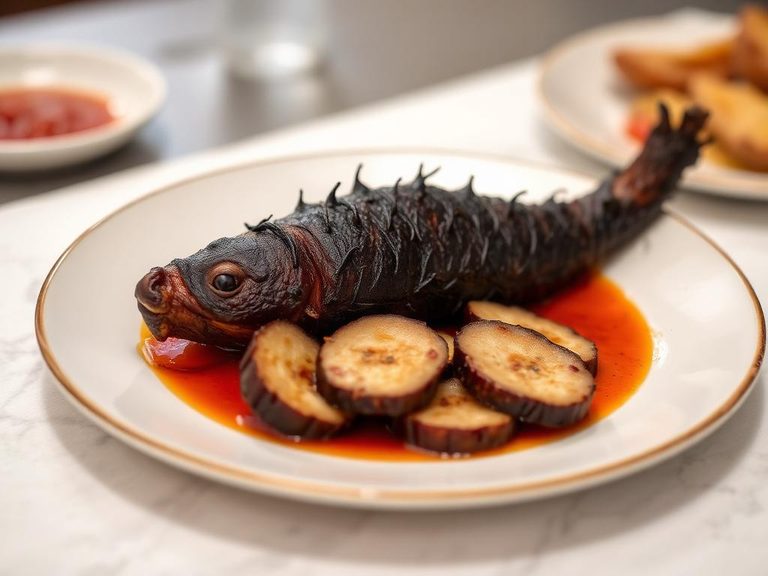
Photo: Wikipedia
Muskrat is a lean, dark game meat with a rich, slightly sweet flavor and a texture often compared to rabbit or dark turkey meat. When roasted, it develops a savory, earthy depth that is prized in traditional North American and European cuisines. Nutritionally, it is a high-protein, zero-carb option with a moderate fat content, making it a dense source of energy.
Calorie split: 53% protein · 0% carbs · 47% fat
↓ Full nutrition💚 Why it's loved
People love muskrat for its unique, gamey flavor that is milder than many other wild meats, offering a taste of the outdoors. Its versatility in slow-cooking methods like roasting or stewing allows it to absorb rich seasonings, making it a cherished ingredient in regional comfort food traditions.
⚠️ Watch-outs & how to enjoy it better
The strong, earthy flavor and sometimes tough texture can be off-putting to those unfamiliar with game meats. To counteract this, slow-roasting or braising with acidic ingredients like vinegar or tomatoes can tenderize the meat and balance its gaminess. Those with a sensitive palate should start with small portions and pair it with bold, familiar side dishes.
Key benefits
- Exceptionally high in protein for muscle maintenance and satiety.
- Naturally zero in carbohydrates and sugars, ideal for low-carb diets.
- Contains essential minerals like iron and zinc from a wild, natural source.
- Provides a lean, sustainable alternative to conventional red meats.
🍽️ Popular dishes
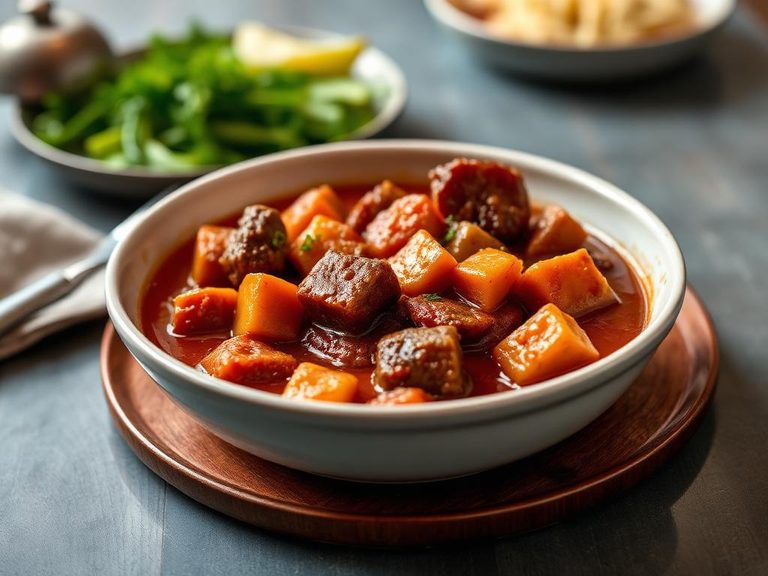
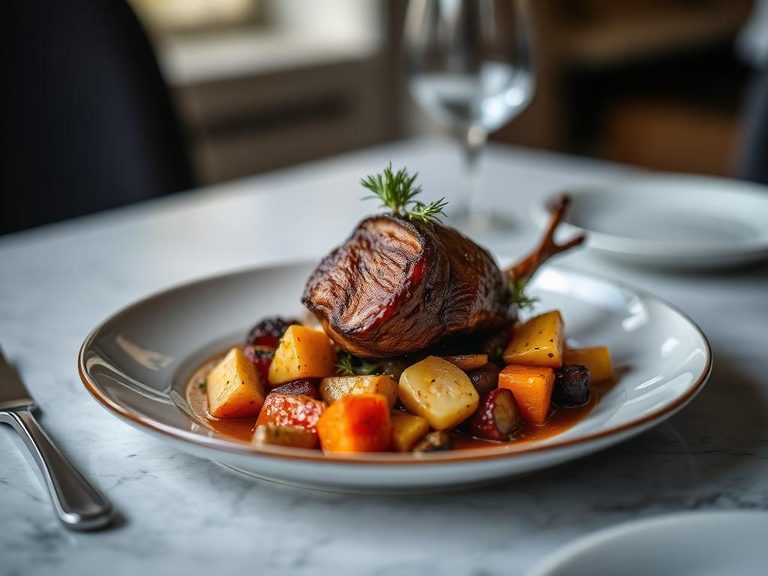
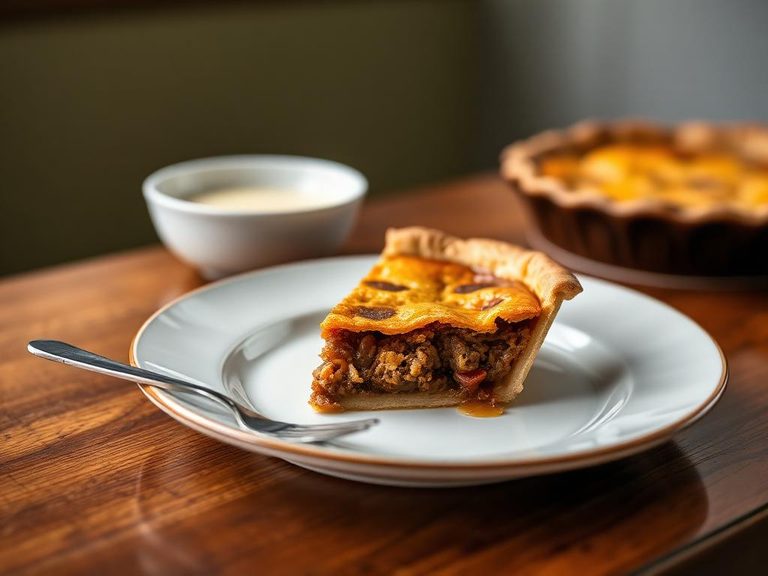
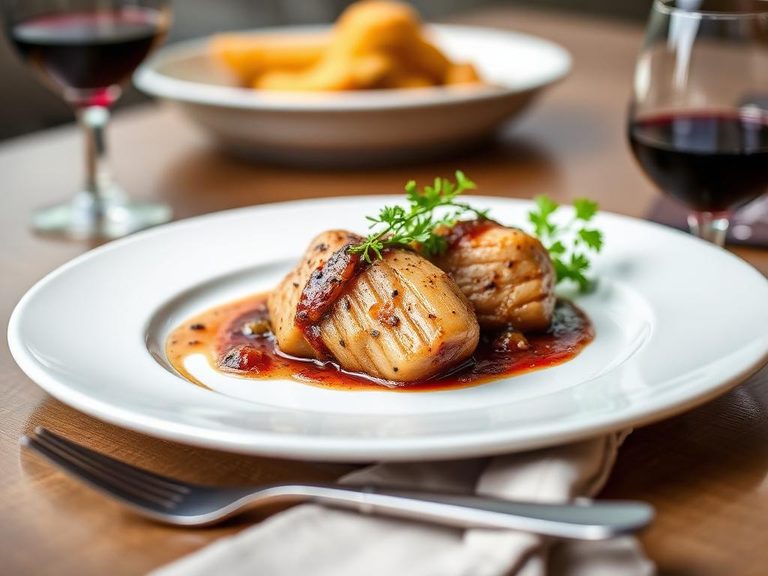
🌍 Where it's eaten
💡 Did you know?
Muskrat was historically a staple food for many Indigenous peoples and early settlers in North America, and its consumption is still legally permitted during Lent in some Catholic communities, where it is classified as 'fish' due to its aquatic habitat.
Full nutrition (USDA data · scales with serving)
| Water | 55.6 g |
| Energy | 234 kcal |
| Energy | 979 kj |
| Protein | 30.1 g |
| Total lipid (fat) | 11.7 g |
| Ash | 1.7 g |
| Carbohydrate, by difference | 0.00 g |
| Fiber, total dietary | 0.00 g |
| Calcium, Ca | 36.0 mg |
| Iron, Fe | 7.1 mg |
| Magnesium, Mg | 26.0 mg |
| Phosphorus, P | 271 mg |
| Potassium, K | 320 mg |
| Sodium, Na | 95.0 mg |
| Zinc, Zn | 2.3 mg |
| Copper, Cu | 0.19 mg |
| Manganese, Mn | 0.03 mg |
| Selenium, Se | 14.8 ug |
| Vitamin C, total ascorbic acid | 7.0 mg |
| Thiamin | 0.08 mg |
| Riboflavin | 0.71 mg |
| Niacin | 7.2 mg |
| Pantothenic acid | 0.93 mg |
| Vitamin B-6 | 0.47 mg |
| Folate, total | 11.0 ug |
| Folic acid | 0.00 ug |
| Folate, food | 11.0 ug |
| Folate, DFE | 11.0 ug |
| Vitamin B-12 | 8.3 ug |
| Vitamin A, RAE | 0.00 ug |
| Retinol | 0.00 ug |
| Vitamin A, IU | 0.00 iu |
Fat & fatty acid profile (per 100g)
| Cholesterol | 121 mg |
Amino acid profile (per 100g)
| Threonine | 1.2 g |
| Isoleucine | 1.1 g |
| Leucine | 2.4 g |
| Lysine | 2.4 g |
| Methionine | 0.50 g |
| Phenylalanine | 1.2 g |
| Tyrosine | 0.82 g |
| Valine | 1.3 g |
| Arginine | 1.4 g |
| Histidine | 0.90 g |
| Alanine | 1.6 g |
| Aspartic acid | 2.6 g |
| Glutamic acid | 3.8 g |
| Glycine | 1.5 g |
| Proline | 1.2 g |
| Serine | 1.1 g |
FAQ
What does muskrat taste like?
Muskrat has a rich, slightly sweet, and earthy flavor, often compared to rabbit or dark turkey meat. Its taste can be milder than other game meats but still carries a distinct wild character.
Is muskrat safe to eat?
Yes, when properly cooked to an internal temperature of 165°F (74°C) to eliminate any potential parasites or bacteria. It is important to source muskrat from clean, uncontaminated waterways.
How do you prepare muskrat for cooking?
Muskrat is often soaked in salted water or brine to reduce gaminess, then slow-cooked by roasting, braising, or stewing. It pairs well with herbs, root vegetables, and acidic ingredients to enhance its flavor.
Nutrient density (calculated · NRF9.3)
Nutrient Rich Foods index: beneficial nutrients (protein, fiber, vitamins, minerals) minus saturated fat, added sugar & sodium, per 100 kcal.
NRF9.3 index — Fulgoni, Keast & Drewnowski, 2009. Computed from USDA nutrients.
Weight-loss friendliness (composite index)
Energy density 2.34 kcal/g · 51% calories from protein · 0.0 g fiber · 0.0 g sugar per 100 g.
Composite of energy density (Rolls et al., 1999), protein & fiber satiety, minus sugar. A calculated heuristic — ranks satiety-per-calorie, not a clinical measure.
Dietary load (calculated from USDA values)
Potential renal acid load. Positive = acid-forming, negative = alkaline-forming.
Sodium-to-potassium ratio: 0.30 (lower is better — aim for ≤ 1)
Sodium:potassium per WHO potassium guidance. Computed from USDA nutrients.