

Beans, Dry, Red (0% moisture)
Whole food · Legumes and Legume Products
Dried red beans, with their deep crimson skin and creamy, starchy interior, are a nutritional powerhouse, offering a remarkable 21.3 grams of protein per 100g in their dry state. When cooked, they develop a rich, earthy flavor and a satisfying, slightly firm texture that holds up beautifully in soups and stews. Their exceptional protein and fiber content makes them a cornerstone of plant-based diets and a staple for sustained energy.
Calorie split: 89% protein · 0% carbs · 11% fat
↓ Full nutrition💚 Why it's loved
People love red beans for their deep, earthy flavor and hearty, satisfying texture that forms the soul of comforting dishes. Their versatility allows them to be the star in everything from spicy stews to sweet desserts, making them a beloved ingredient across many cultures.
⚠️ Watch-outs & how to enjoy it better
The primary downside is the presence of oligosaccharides, which can cause gas and bloating in some individuals. To counteract this, soak the beans for at least 8 hours (or overnight), discard the soaking water, and cook them thoroughly. Starting with smaller portions and gradually increasing intake can also help your digestive system adapt.
Key benefits
- Excellent source of plant-based protein (21.3g per 100g dry).
- High in dietary fiber (4g per 100g dry), aiding digestion and satiety.
- Naturally low in fat (1.16g per 100g dry).
- Rich in essential minerals like iron, folate, and potassium.
- Provides complex carbohydrates for sustained energy release.
🍽️ Popular dishes
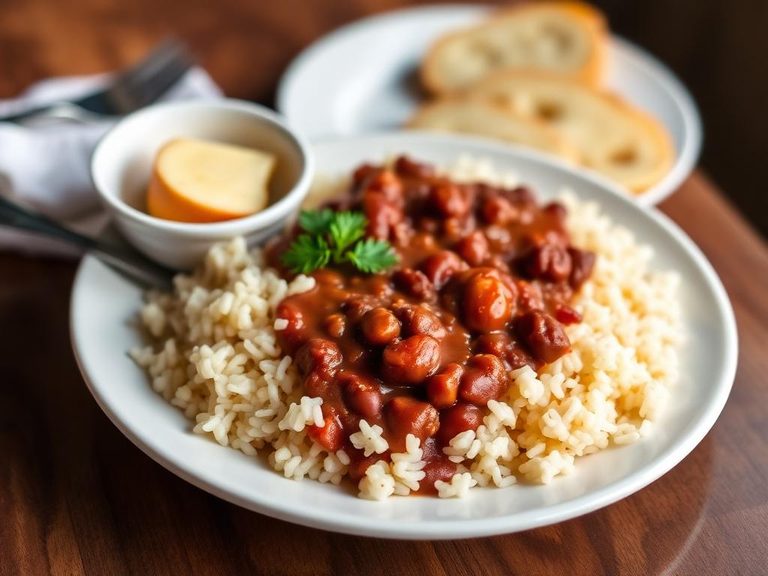
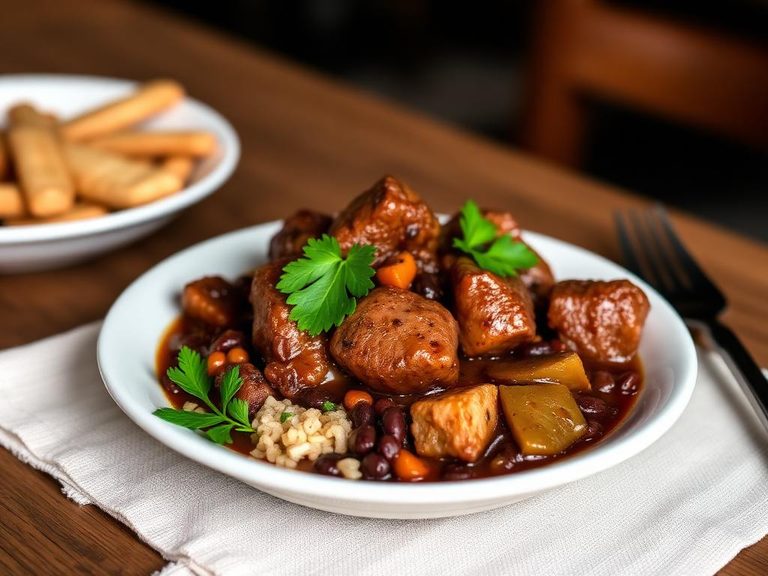
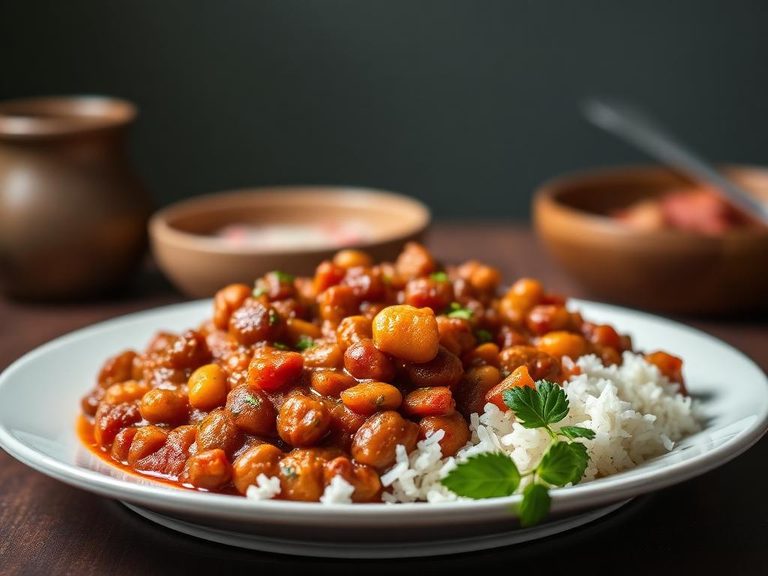
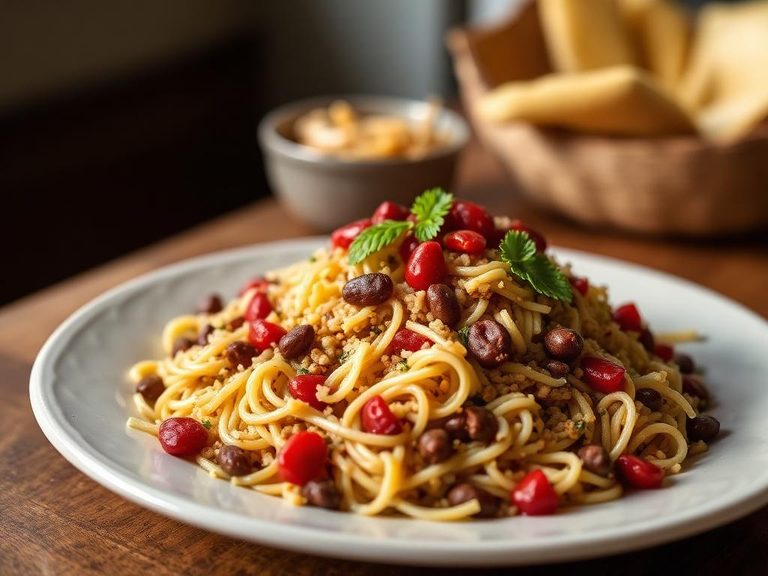
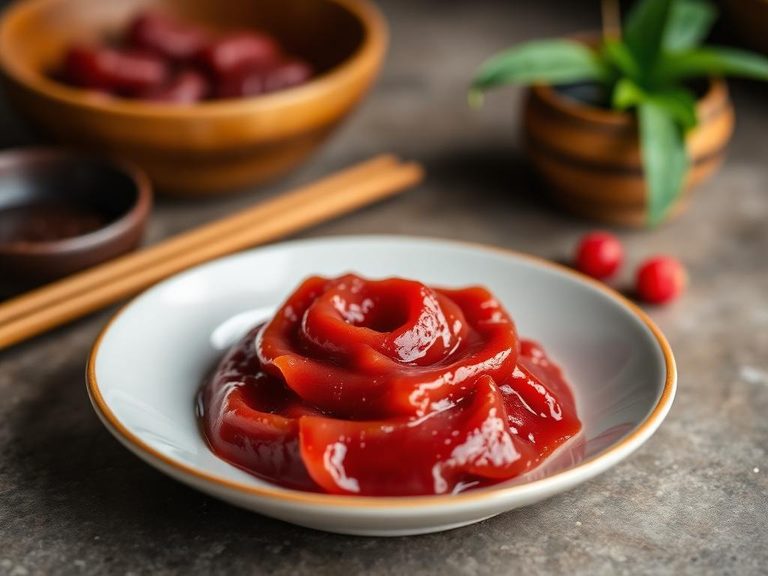
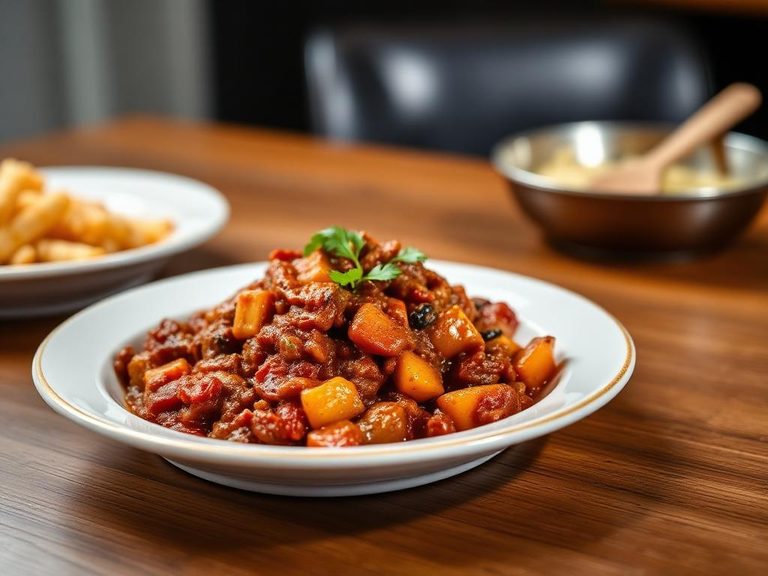
🌍 Where it's eaten
💡 Did you know?
The vibrant red color of many red beans comes from anthocyanins, the same powerful antioxidants found in blueberries and red wine.
Full nutrition (USDA data · scales with serving)
| Water | 0.00 g |
| Protein | 21.3 g |
| Total lipid (fat) | 1.2 g |
| Fiber, total dietary | 4.0 g |
| Starch | 39.7 g |
| Calcium, Ca | 148 mg |
| Iron, Fe | 5.0 mg |
| Magnesium, Mg | 152 mg |
| Phosphorus, P | 380 mg |
| Potassium, K | 1540 mg |
| Zinc, Zn | 2.8 mg |
| Copper, Cu | 0.96 mg |
| Manganese, Mn | 1.9 mg |
| Sulfur, S | 204 mg |
| Nickel, Ni | 278 ug |
| Molybdenum, Mo | 488 ug |
| Cobalt, Co | 56.5 ug |
| Boron, B | 1320 ug |
Fat & fatty acid profile (per 100g)
Estimated from Lima beans, thin seeded (baby), mature seeds, cooked, boiled, without salt — USDA does not publish this profile for Beans.
| Fatty acids, total saturated | 0.09 g |
| SFA 12:0 | 0.00 g |
| SFA 14:0 | 0.00 g |
| SFA 16:0 | 0.07 g |
| SFA 18:0 | 0.02 g |
| Fatty acids, total monounsaturated | 0.03 g |
| MUFA 16:1 | 0.00 g |
| MUFA 18:1 | 0.03 g |
| MUFA 20:1 | 0.00 g |
| MUFA 22:1 | 0.00 g |
| Fatty acids, total polyunsaturated | 0.17 g |
| PUFA 18:2 | 0.12 g |
| PUFA 18:3 | 0.05 g |
| Fatty acids, total trans | 0.00 g |
| Cholesterol | 0.00 mg |
Amino acid profile (per 100g)
Estimated from Lima beans, thin seeded (baby), mature seeds, cooked, boiled, without salt — USDA does not publish this profile for Beans.
| Tryptophan | 0.10 g |
| Threonine | 0.35 g |
| Isoleucine | 0.42 g |
| Leucine | 0.69 g |
| Lysine | 0.54 g |
| Methionine | 0.10 g |
| Cystine | 0.09 g |
| Phenylalanine | 0.46 g |
| Tyrosine | 0.28 g |
| Valine | 0.48 g |
| Arginine | 0.49 g |
| Histidine | 0.25 g |
| Alanine | 0.41 g |
| Aspartic acid | 1.0 g |
| Glutamic acid | 1.1 g |
| Glycine | 0.34 g |
| Proline | 0.37 g |
| Serine | 0.54 g |
FAQ
What's the difference between red beans and kidney beans?
While often used interchangeably, 'red beans' typically refer to smaller, rounder beans like small red beans (used in red beans and rice), whereas 'kidney beans' are larger, kidney-shaped, and include varieties like dark red kidney beans. Nutritionally, they are very similar.
Do I need to soak dried red beans before cooking?
Yes, soaking is highly recommended. It reduces cooking time, helps break down gas-causing oligosaccharides, and ensures even cooking. Soak for 8-12 hours, then discard the soaking water and rinse before boiling.
Are red beans safe to eat raw?
No. Dried red beans contain lectins (like phytohaemagglutinin), which are toxic if consumed raw or undercooked. They must be boiled vigorously for at least 10 minutes to destroy these compounds.
Dietary load (calculated from USDA values)
Potential renal acid load. Positive = acid-forming, negative = alkaline-forming.
Sodium:potassium per WHO potassium guidance. Computed from USDA nutrients.