

Beans, Dry, Medium Red (0% moisture)
Whole food · Legumes and Legume Products
Medium red beans are a hearty, earthy legume with a firm, creamy texture that holds its shape beautifully in soups and stews. Their deep, slightly sweet flavor and robust nutritional profile make them a staple in kitchens worldwide. With an impressive 25.5g of protein per 100g (in their dry, 0% moisture state), they are a powerhouse of plant-based nutrition.
Calorie split: 92% protein · 0% carbs · 8% fat
↓ Full nutrition💚 Why it's loved
People love medium red beans for their rich, earthy flavor and satisfying, creamy texture that makes them the heart of comfort foods like chili and bean soups. Their versatility allows them to absorb spices and seasonings, making them a beloved ingredient across diverse culinary traditions.
⚠️ Watch-outs & how to enjoy it better
Some may experience digestive discomfort like bloating due to their high fiber and oligosaccharide content. To counteract this, soak the beans overnight and discard the soaking water before cooking, which helps reduce gas-producing compounds. Pairing them with a small amount of healthy fat or a digestive spice like cumin can also aid digestion.
Key benefits
- Exceptionally high in plant-based protein
- Rich in dietary fiber for digestive health
- Naturally fat-free and low in sugar
- Excellent source of essential minerals like iron and potassium
- Provides sustained energy due to complex carbohydrates
🍽️ Popular dishes
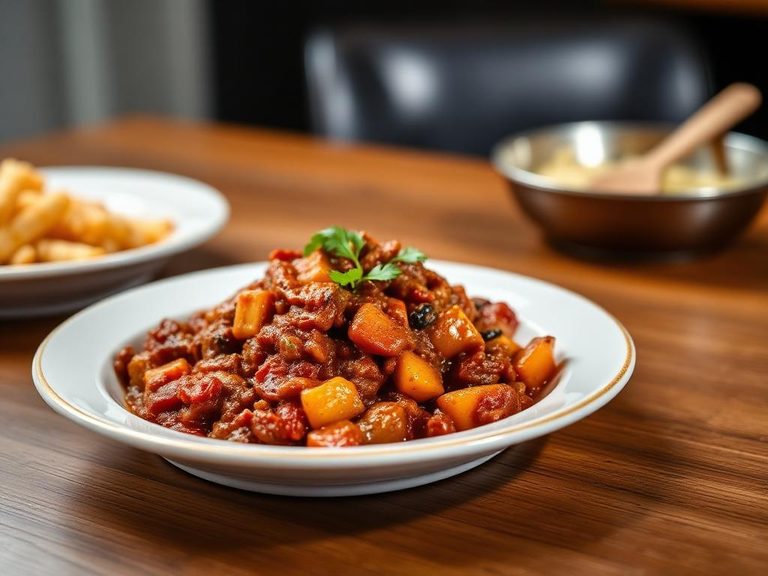
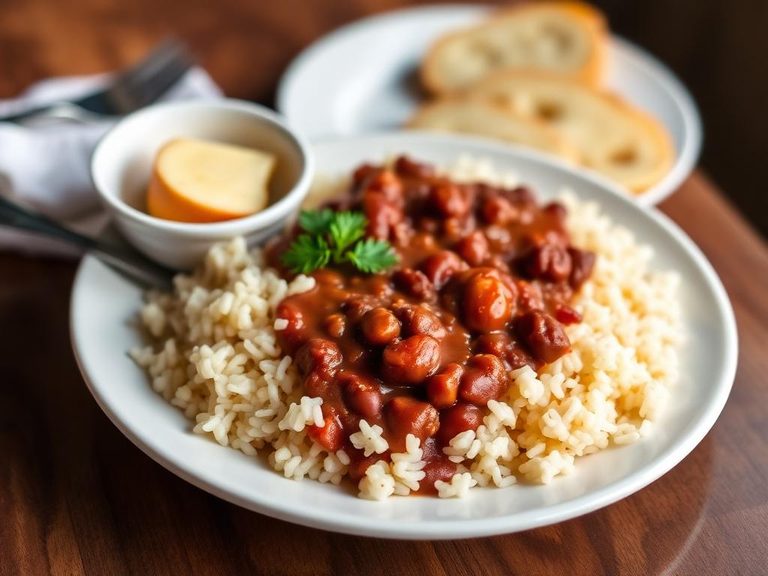
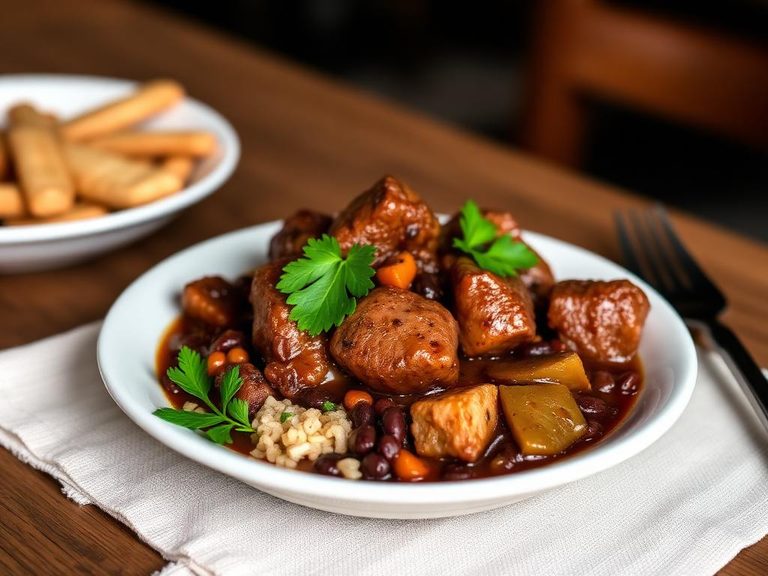
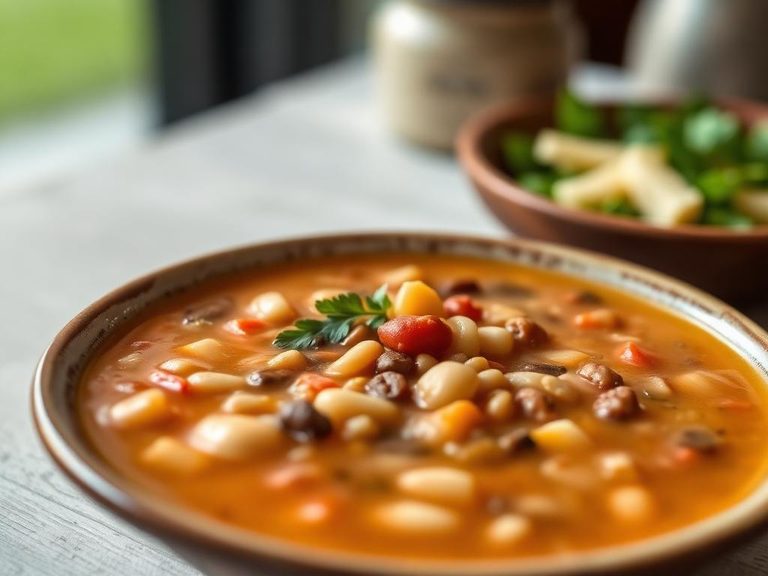
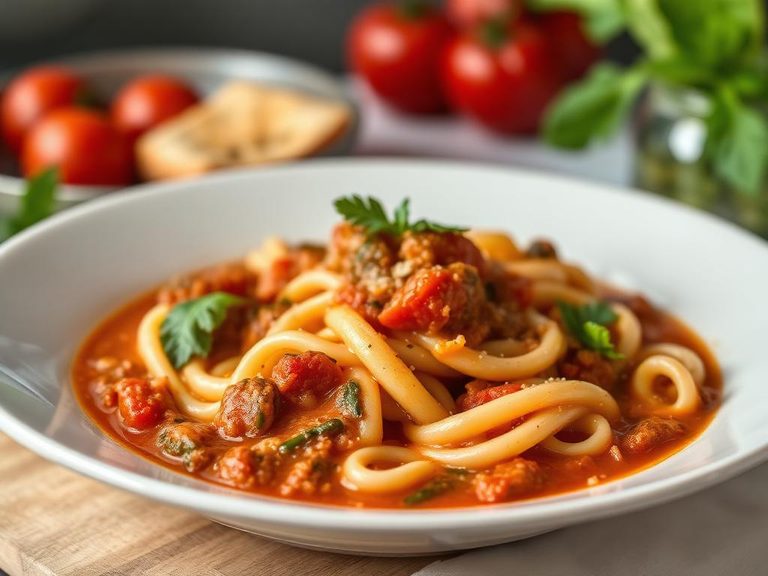
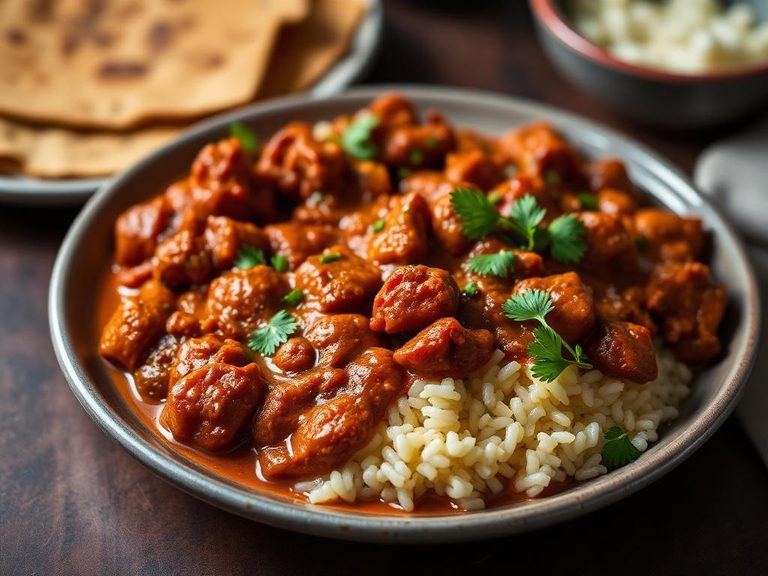
🌍 Where it's eaten
💡 Did you know?
The medium red bean is a key ingredient in the classic Cajun dish 'Red Beans and Rice,' traditionally served on Mondays in New Orleans as a way to use up leftover meat from Sunday dinners.
Full nutrition (USDA data · scales with serving)
| Water | 0.00 g |
| Protein | 25.5 g |
| Total lipid (fat) | 1.0 g |
| Fiber, total dietary | 4.3 g |
| Starch | 35.4 g |
| Calcium, Ca | 193 mg |
| Iron, Fe | 6.3 mg |
| Magnesium, Mg | 178 mg |
| Phosphorus, P | 548 mg |
| Potassium, K | 1490 mg |
| Zinc, Zn | 3.8 mg |
| Copper, Cu | 1.0 mg |
| Manganese, Mn | 2.0 mg |
| Sulfur, S | 232 mg |
| Nickel, Ni | 242 ug |
| Molybdenum, Mo | 468 ug |
| Cobalt, Co | 52.5 ug |
| Boron, B | 1210 ug |
Fat & fatty acid profile (per 100g)
Estimated from Lima beans, thin seeded (baby), mature seeds, cooked, boiled, without salt — USDA does not publish this profile for Beans.
| Fatty acids, total saturated | 0.09 g |
| SFA 12:0 | 0.00 g |
| SFA 14:0 | 0.00 g |
| SFA 16:0 | 0.07 g |
| SFA 18:0 | 0.02 g |
| Fatty acids, total monounsaturated | 0.03 g |
| MUFA 16:1 | 0.00 g |
| MUFA 18:1 | 0.03 g |
| MUFA 20:1 | 0.00 g |
| MUFA 22:1 | 0.00 g |
| Fatty acids, total polyunsaturated | 0.17 g |
| PUFA 18:2 | 0.12 g |
| PUFA 18:3 | 0.05 g |
| Fatty acids, total trans | 0.00 g |
| Cholesterol | 0.00 mg |
Amino acid profile (per 100g)
Estimated from Lima beans, thin seeded (baby), mature seeds, cooked, boiled, without salt — USDA does not publish this profile for Beans.
| Tryptophan | 0.10 g |
| Threonine | 0.35 g |
| Isoleucine | 0.42 g |
| Leucine | 0.69 g |
| Lysine | 0.54 g |
| Methionine | 0.10 g |
| Cystine | 0.09 g |
| Phenylalanine | 0.46 g |
| Tyrosine | 0.28 g |
| Valine | 0.48 g |
| Arginine | 0.49 g |
| Histidine | 0.25 g |
| Alanine | 0.41 g |
| Aspartic acid | 1.0 g |
| Glutamic acid | 1.1 g |
| Glycine | 0.34 g |
| Proline | 0.37 g |
| Serine | 0.54 g |
FAQ
How do I prepare dry medium red beans for cooking?
Rinse the beans, then soak them in cold water for at least 8 hours or overnight. Drain and rinse again before cooking in fresh water. This process reduces cooking time and helps minimize digestive discomfort.
Can I substitute medium red beans in recipes?
Yes, they can be substituted with other red beans like kidney beans or pinto beans, though the texture and flavor may vary slightly. Adjust cooking times accordingly.
Are medium red beans gluten-free?
Yes, medium red beans are naturally gluten-free, making them a safe and nutritious option for those with gluten sensitivities or celiac disease.
Dietary load (calculated from USDA values)
Potential renal acid load. Positive = acid-forming, negative = alkaline-forming.
Sodium:potassium per WHO potassium guidance. Computed from USDA nutrients.