

Beans, Dry, Great Northern (0% moisture)
Whole food · Legumes and Legume Products

Photo: Wikipedia
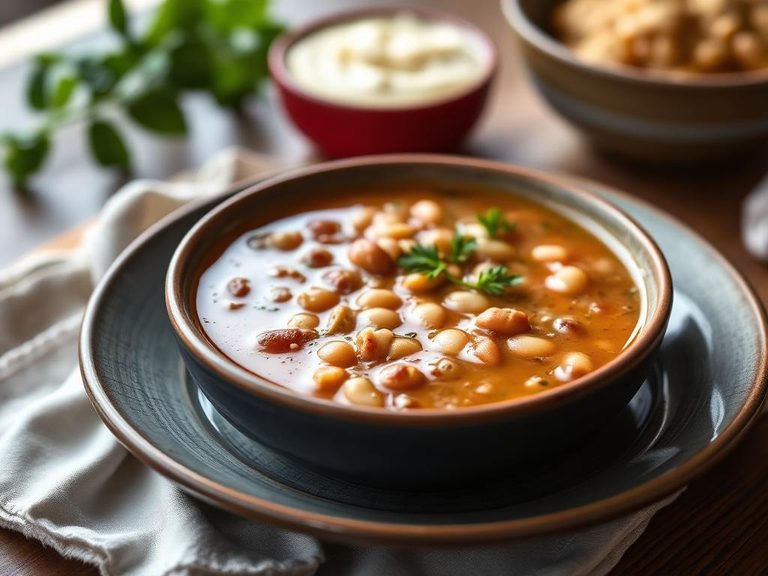
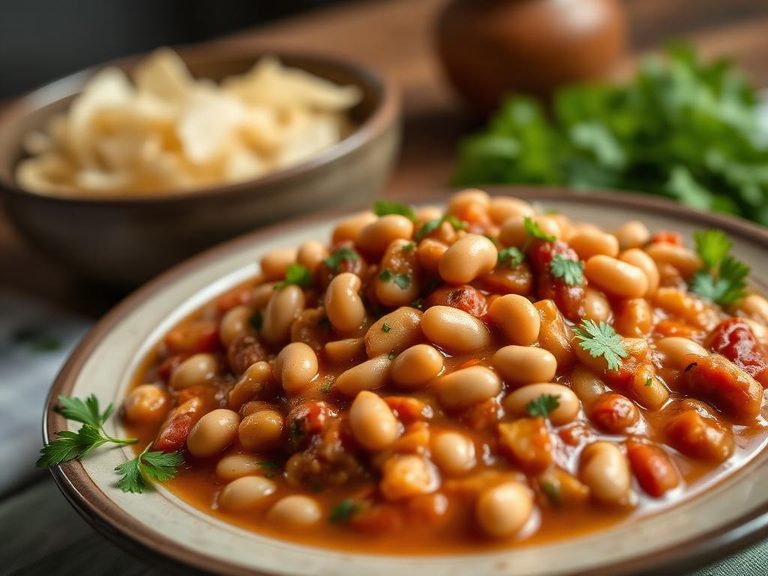
Great Northern beans are small, oval-shaped white beans with a delicate, slightly nutty flavor and a creamy, tender texture when cooked. They are a nutritional powerhouse, offering an impressive 24.7 grams of protein per 100g in their dry state, making them an excellent plant-based protein source. Their mild taste and ability to absorb surrounding flavors make them a versatile staple in hearty soups, stews, and casseroles.
Calorie split: 90% protein · 0% carbs · 10% fat
↓ Full nutrition💚 Why it's loved
People love Great Northern beans for their mild, nutty flavor that acts as a perfect canvas for rich herbs, spices, and smoky meats. Their creamy texture holds up beautifully in slow-cooked dishes, making them a comforting and satisfying staple in home cooking.
⚠️ Watch-outs & how to enjoy it better
Like many legumes, they contain oligosaccharides that can cause gas and bloating in some individuals. To minimize this, soak dried beans for at least 8 hours (or overnight) and discard the soaking water before cooking. They also contain lectins, which are destroyed by thorough boiling for at least 10 minutes.
Key benefits
- Excellent source of plant-based protein
- High in dietary fiber for digestive health
- Naturally low in fat and cholesterol-free
- Rich in minerals like iron, magnesium, and potassium
- Provides complex carbohydrates for sustained energy
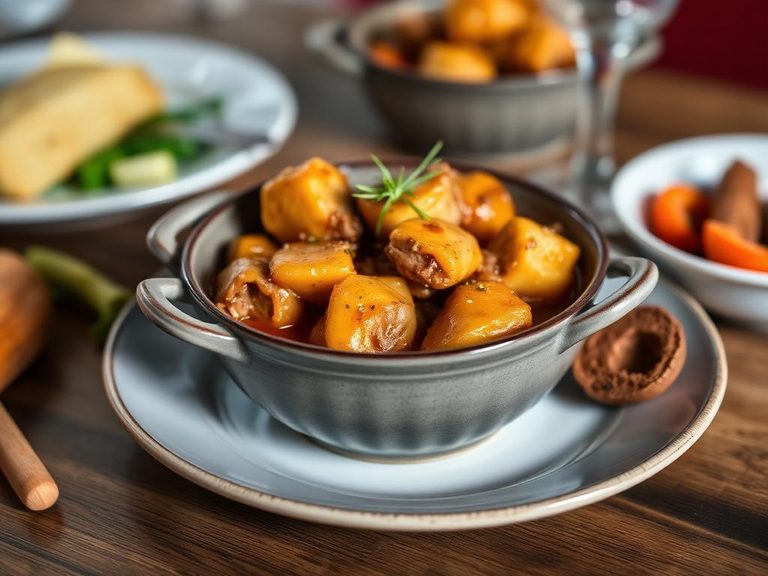
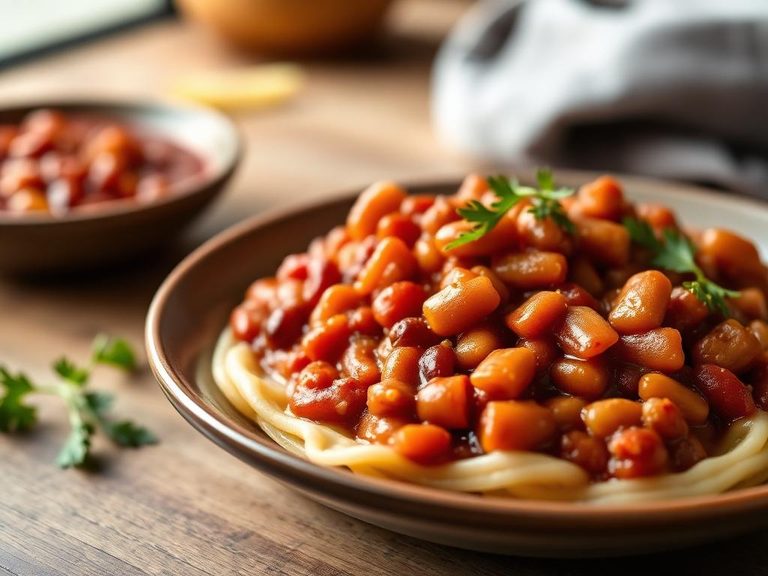
🍽️ Popular dishes
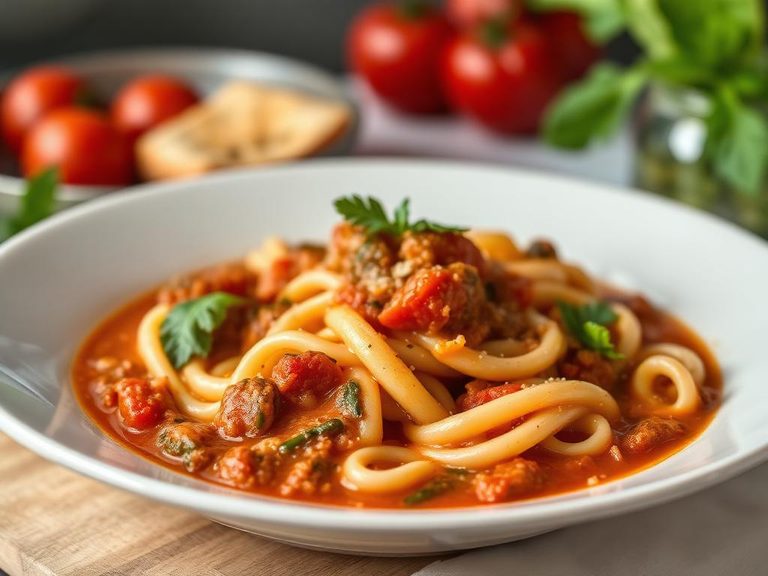
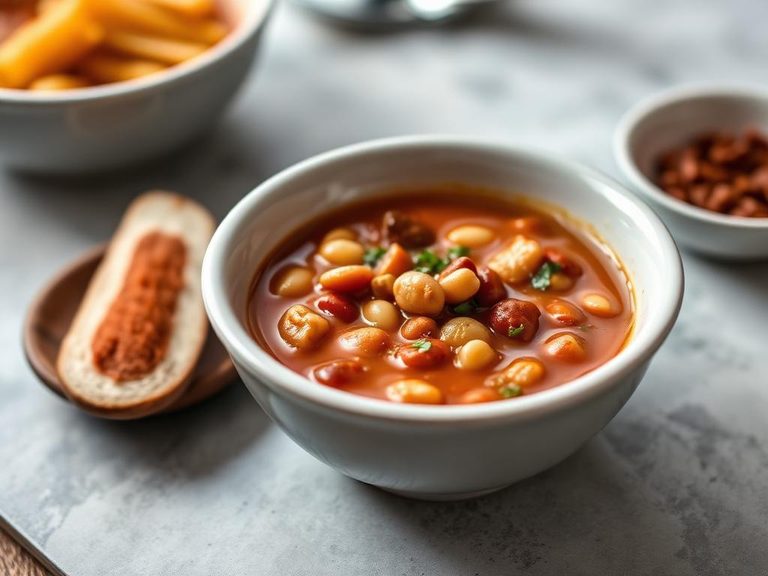
🌍 Where it's eaten
💡 Did you know?
The 'Senate Bean Soup' tradition in the U.S. Senate dining room, which has been served nearly every day since 1901, specifically calls for Great Northern beans.
Full nutrition (USDA data · scales with serving)
| Water | 0.00 g |
| Protein | 24.7 g |
| Total lipid (fat) | 1.2 g |
| Fiber, total dietary | 4.3 g |
| Starch | 37.9 g |
| Calcium, Ca | 192 mg |
| Iron, Fe | 5.5 mg |
| Magnesium, Mg | 176 mg |
| Phosphorus, P | 519 mg |
| Potassium, K | 1520 mg |
| Zinc, Zn | 3.5 mg |
| Copper, Cu | 1.1 mg |
| Manganese, Mn | 1.9 mg |
| Sulfur, S | 227 mg |
| Nickel, Ni | 181 ug |
| Molybdenum, Mo | 557 ug |
| Cobalt, Co | 51.2 ug |
| Boron, B | 1250 ug |
Fat & fatty acid profile (per 100g)
Estimated from Lima beans, thin seeded (baby), mature seeds, cooked, boiled, without salt — USDA does not publish this profile for Beans.
| Fatty acids, total saturated | 0.09 g |
| SFA 12:0 | 0.00 g |
| SFA 14:0 | 0.00 g |
| SFA 16:0 | 0.07 g |
| SFA 18:0 | 0.02 g |
| Fatty acids, total monounsaturated | 0.03 g |
| MUFA 16:1 | 0.00 g |
| MUFA 18:1 | 0.03 g |
| MUFA 20:1 | 0.00 g |
| MUFA 22:1 | 0.00 g |
| Fatty acids, total polyunsaturated | 0.17 g |
| PUFA 18:2 | 0.12 g |
| PUFA 18:3 | 0.05 g |
| Fatty acids, total trans | 0.00 g |
| Cholesterol | 0.00 mg |
Amino acid profile (per 100g)
Estimated from Lima beans, thin seeded (baby), mature seeds, cooked, boiled, without salt — USDA does not publish this profile for Beans.
| Tryptophan | 0.10 g |
| Threonine | 0.35 g |
| Isoleucine | 0.42 g |
| Leucine | 0.69 g |
| Lysine | 0.54 g |
| Methionine | 0.10 g |
| Cystine | 0.09 g |
| Phenylalanine | 0.46 g |
| Tyrosine | 0.28 g |
| Valine | 0.48 g |
| Arginine | 0.49 g |
| Histidine | 0.25 g |
| Alanine | 0.41 g |
| Aspartic acid | 1.0 g |
| Glutamic acid | 1.1 g |
| Glycine | 0.34 g |
| Proline | 0.37 g |
| Serine | 0.54 g |
FAQ
What's the difference between Great Northern and Navy beans?
Great Northern beans are slightly larger, have a more robust texture, and a more pronounced nutty flavor. Navy beans are smaller, oval-shaped, and have a milder flavor and creamier texture, making them ideal for purees and canned beans.
How do I cook dried Great Northern beans?
Sort and rinse the beans, then soak them in cold water for 8-12 hours. Drain and rinse again. Cover with fresh water in a pot, bring to a boil, then reduce to a simmer. Cook for 45-60 minutes until tender. Do not add salt or acidic ingredients (like tomatoes) until the beans are tender, as they can toughen the skins.
Are canned Great Northern beans a good substitute?
Yes, canned beans are a convenient substitute. One 15-ounce (425g) can, drained and rinsed, is roughly equivalent to 1.5 cups cooked beans. Rinsing canned beans removes about 40% of the added sodium.
Dietary load (calculated from USDA values)
Potential renal acid load. Positive = acid-forming, negative = alkaline-forming.
Sodium:potassium per WHO potassium guidance. Computed from USDA nutrients.