

Beans, Dry, Brown (0% moisture)
Whole food · Legumes and Legume Products

Photo: Wikipedia
These are whole, dried brown beans, likely a variety of common bean (Phaseolus vulgaris) like pinto or cranberry beans, with a smooth, oval shape and earthy, nutty flavor. Their texture is firm and mealy when cooked, making them ideal for absorbing rich sauces and spices. Nutritionally, they are a powerhouse of plant-based protein and dietary fiber, with virtually no fat or sugar in their dry state.
Calorie split: 91% protein · 0% carbs · 9% fat
↓ Full nutrition💚 Why it's loved
People love them for their hearty, comforting texture and ability to soak up the flavors of smoky, savory, or spicy broths. They are a versatile canvas for countless global cuisines, from stews to salads.
⚠️ Watch-outs & how to enjoy it better
Like all legumes, they contain oligosaccharides that can cause gas and bloating in some individuals. To counteract this, soak them overnight and discard the water, or use a pressure cooker. They also contain phytic acid, which can mineral absorption; pairing with a source of vitamin C (like tomatoes or lime juice) in a dish helps mitigate this.
Key benefits
- Excellent source of plant-based protein for muscle maintenance.
- High in dietary fiber, promoting digestive health and satiety.
- Naturally low in fat and sugar-free.
- Rich in essential minerals like iron, folate, and magnesium.
- A cost-effective staple for nutrient-dense meals.
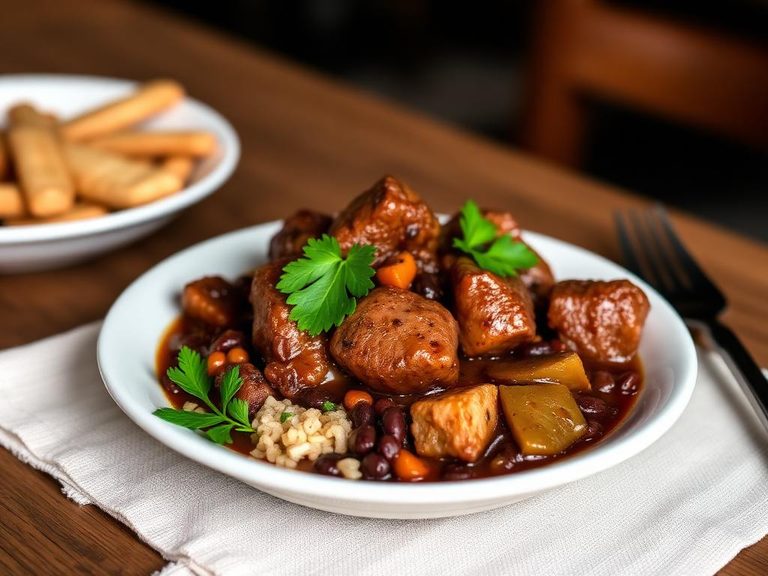
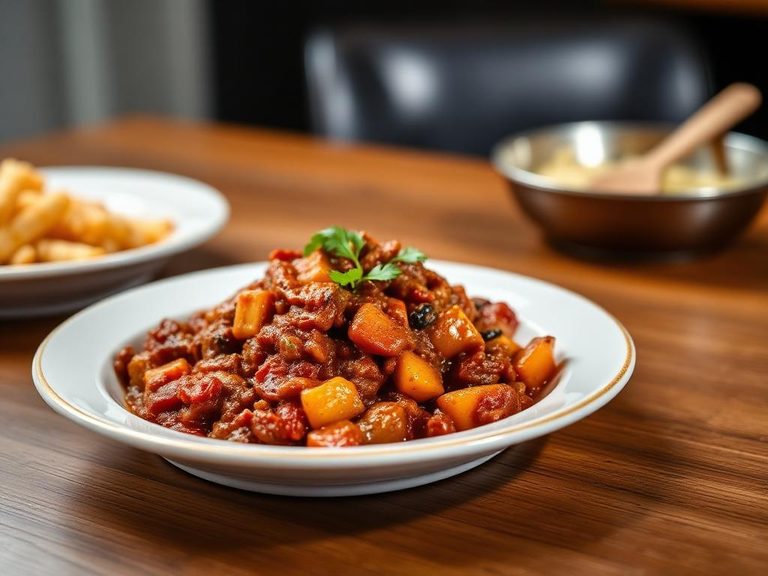
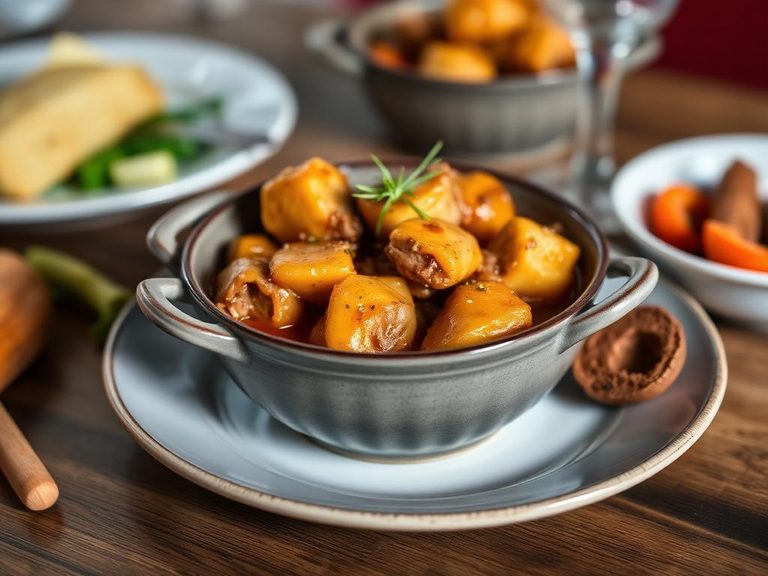
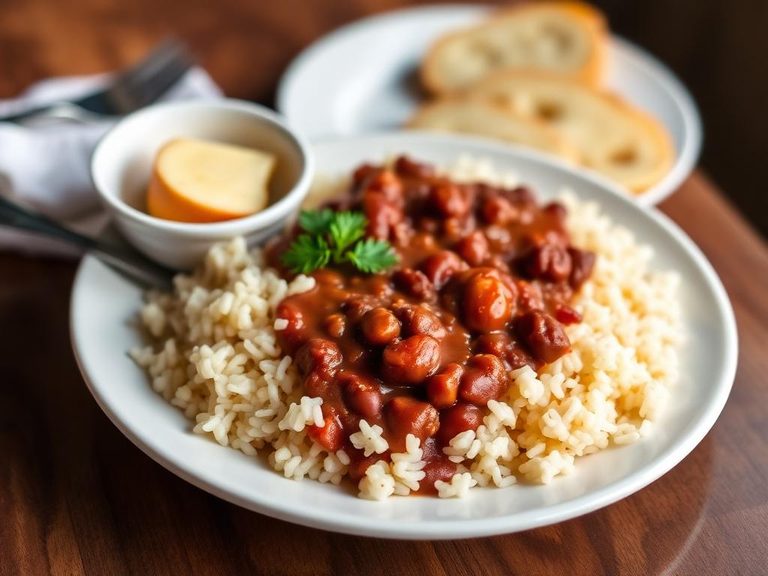
🍽️ Popular dishes
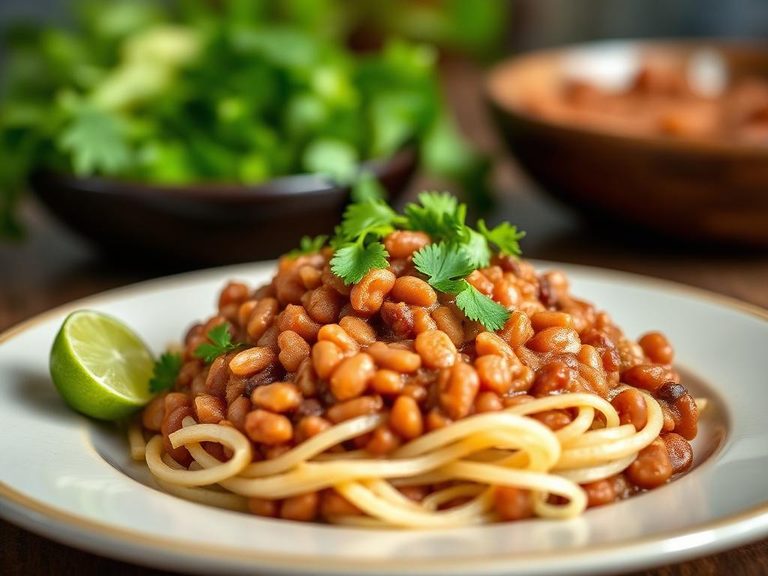
🌍 Where it's eaten
💡 Did you know?
The common bean (Phaseolus vulgaris) was independently domesticated in both Mesoamerica and the Andes thousands of years ago, leading to a vast diversity of bean varieties we have today.
Full nutrition (USDA data · scales with serving)
| Water | 0.00 g |
| Protein | 25.6 g |
| Total lipid (fat) | 1.1 g |
| Fiber, total dietary | 4.1 g |
| Starch | 37.2 g |
| Calcium, Ca | 158 mg |
| Iron, Fe | 4.7 mg |
| Magnesium, Mg | 158 mg |
| Phosphorus, P | 543 mg |
| Potassium, K | 1580 mg |
| Zinc, Zn | 3.7 mg |
| Copper, Cu | 1.0 mg |
| Manganese, Mn | 1.9 mg |
| Sulfur, S | 254 mg |
| Nickel, Ni | 256 ug |
| Molybdenum, Mo | 1150 ug |
| Cobalt, Co | 55.0 ug |
| Boron, B | 1040 ug |
Fat & fatty acid profile (per 100g)
Estimated from Lima beans, thin seeded (baby), mature seeds, cooked, boiled, without salt — USDA does not publish this profile for Beans.
| Fatty acids, total saturated | 0.09 g |
| SFA 12:0 | 0.00 g |
| SFA 14:0 | 0.00 g |
| SFA 16:0 | 0.07 g |
| SFA 18:0 | 0.02 g |
| Fatty acids, total monounsaturated | 0.03 g |
| MUFA 16:1 | 0.00 g |
| MUFA 18:1 | 0.03 g |
| MUFA 20:1 | 0.00 g |
| MUFA 22:1 | 0.00 g |
| Fatty acids, total polyunsaturated | 0.17 g |
| PUFA 18:2 | 0.12 g |
| PUFA 18:3 | 0.05 g |
| Fatty acids, total trans | 0.00 g |
| Cholesterol | 0.00 mg |
Amino acid profile (per 100g)
Estimated from Lima beans, thin seeded (baby), mature seeds, cooked, boiled, without salt — USDA does not publish this profile for Beans.
| Tryptophan | 0.10 g |
| Threonine | 0.35 g |
| Isoleucine | 0.42 g |
| Leucine | 0.69 g |
| Lysine | 0.54 g |
| Methionine | 0.10 g |
| Cystine | 0.09 g |
| Phenylalanine | 0.46 g |
| Tyrosine | 0.28 g |
| Valine | 0.48 g |
| Arginine | 0.49 g |
| Histidine | 0.25 g |
| Alanine | 0.41 g |
| Aspartic acid | 1.0 g |
| Glutamic acid | 1.1 g |
| Glycine | 0.34 g |
| Proline | 0.37 g |
| Serine | 0.54 g |
FAQ
How do I cook dried brown beans from scratch?
Rinse the beans, then soak them in cold water for at least 8 hours or overnight. Drain and rinse again. Cover with fresh water in a pot, bring to a boil, then simmer for 1-1.5 hours until tender. Adding salt or acidic ingredients like tomatoes too early can toughen the skins, so season later.
Are canned brown beans as nutritious as dried?
Yes, canned beans are pre-cooked and retain most of their protein and fiber. They are a convenient alternative. However, they are often higher in sodium, so look for low-sodium versions or rinse them thoroughly before use.
Can I freeze cooked brown beans?
Absolutely. Cooked beans freeze exceptionally well. Let them cool completely, then portion them into freezer-safe bags or containers. They can be stored for up to 6 months and are perfect for quick meal prep.
Dietary load (calculated from USDA values)
Potential renal acid load. Positive = acid-forming, negative = alkaline-forming.
Sodium:potassium per WHO potassium guidance. Computed from USDA nutrients.