

Alcoholic beverage, daiquiri, canned
Whole food · Beverages

Photo: Wikipedia
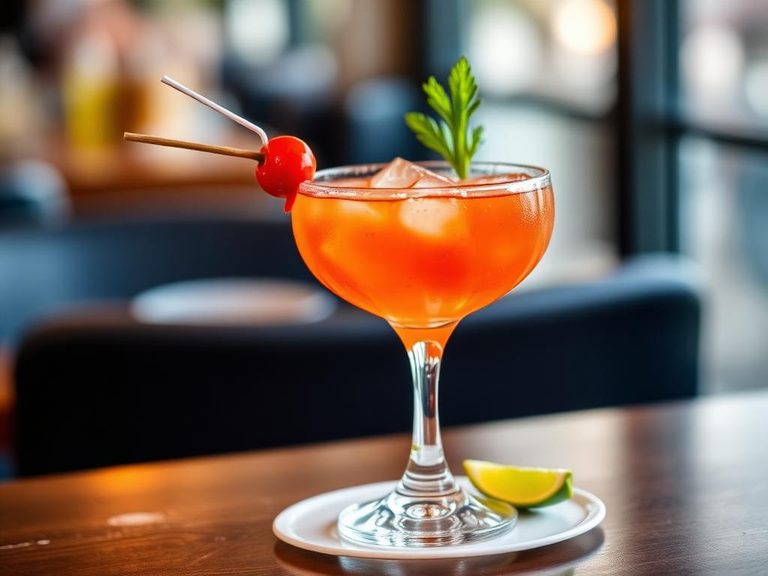
A pre-mixed, canned version of the classic rum-based cocktail, delivering a bright, tart, and sweet punch of lime and sugar in a ready-to-drink format. The nutrition is dominated by carbohydrates from added sugars, offering a quick energy boost with no protein or fat. It's a convenient, portable take on a drink that's usually shaken fresh.
Calorie split: 0% protein · 100% carbs · 0% fat
↓ Full nutrition💚 Why it's loved
People love it for the iconic, refreshing balance of sweet and sour lime flavor, which is perfect for hot weather or as a party starter. Its canned form makes it a hassle-free choice for picnics, beach trips, or any occasion where a fresh cocktail isn't feasible.
⚠️ Watch-outs & how to enjoy it better
The primary downside is the high added sugar content, which can lead to blood sugar spikes and provides 'empty' calories without nutritional benefit. Those monitoring sugar intake or with diabetes should be cautious. To counteract this, pair it with a protein-rich snack like nuts or cheese to slow sugar absorption, and practice strict portion control by limiting yourself to one can.
Key benefits
- Provides quick energy from carbohydrates
- Extremely convenient and portable
- Offers a consistent, familiar flavor profile
- Requires no preparation or bartending skill
- A standard serving has a moderate calorie count
🍽️ Popular dishes
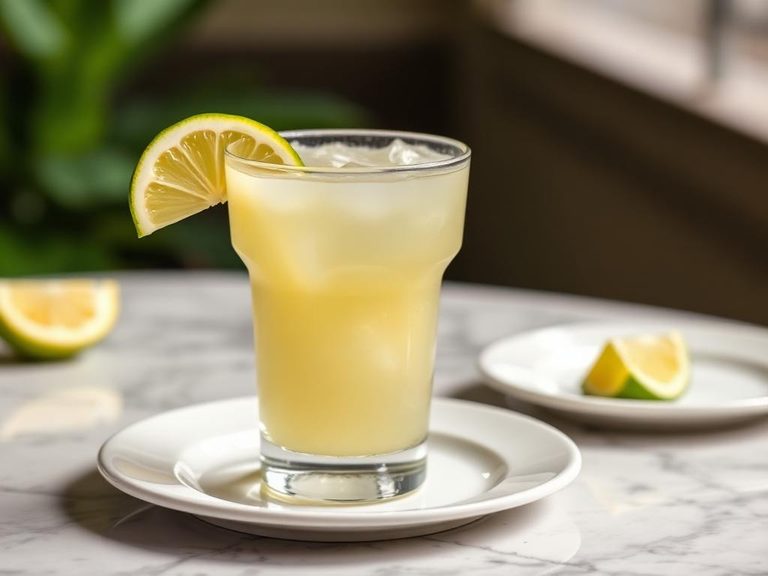
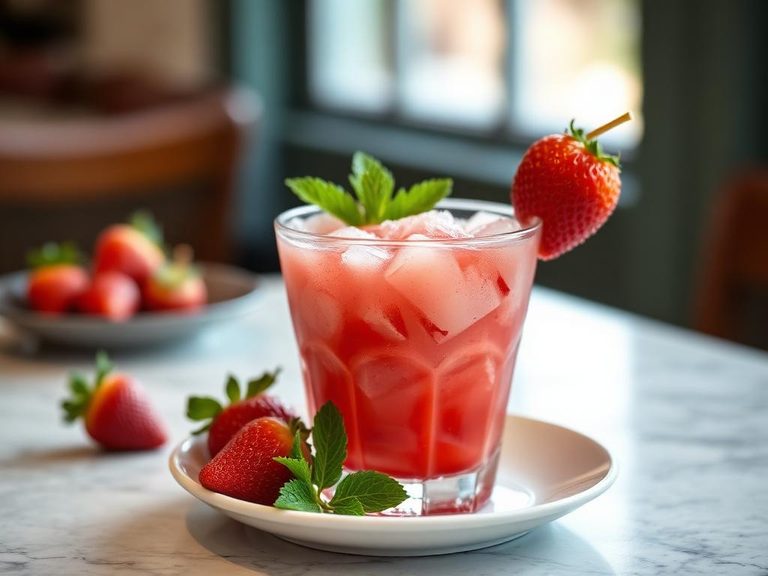
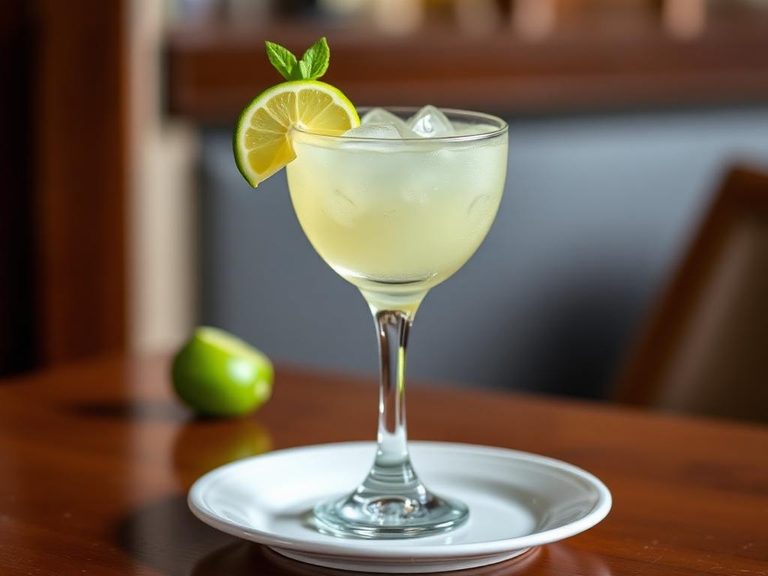
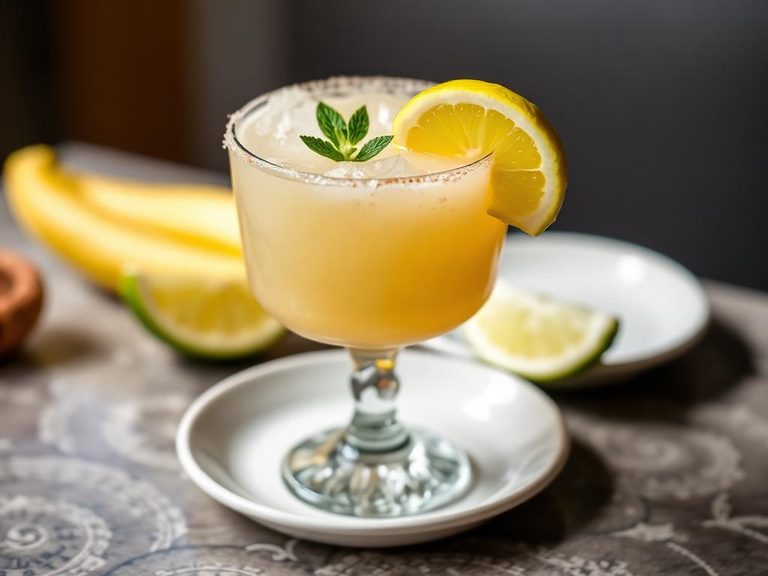
🌍 Where it's eaten
💡 Did you know?
The Daiquiri is named after a beach and iron mine near Santiago, Cuba, where American mining engineer Jennings Cox is said to have invented the drink in 1898 by mixing rum, lime, and sugar when he ran out of gin for his guests.
Full nutrition (USDA data · scales with serving)
| Water | 74.6 g |
| Energy | 125 kcal |
| Energy | 523 kj |
| Protein | 0.00 g |
| Total lipid (fat) | 0.00 g |
| Ash | 0.10 g |
| Carbohydrate, by difference | 15.7 g |
| Fiber, total dietary | 0.00 g |
| Calcium, Ca | 0.00 mg |
| Iron, Fe | 0.01 mg |
| Magnesium, Mg | 1.0 mg |
| Phosphorus, P | 2.0 mg |
| Potassium, K | 11.0 mg |
| Sodium, Na | 40.0 mg |
| Zinc, Zn | 0.03 mg |
| Copper, Cu | 0.02 mg |
| Manganese, Mn | 0.01 mg |
| Selenium, Se | 0.10 ug |
| Vitamin C, total ascorbic acid | 1.3 mg |
| Thiamin | 0.00 mg |
| Riboflavin | 0.00 mg |
| Niacin | 0.01 mg |
| Pantothenic acid | 0.01 mg |
| Vitamin B-6 | 0.00 mg |
| Folate, total | 1.0 ug |
| Folic acid | 0.00 ug |
| Folate, food | 1.0 ug |
| Folate, DFE | 1.0 ug |
| Vitamin B-12 | 0.00 ug |
| Vitamin A, RAE | 0.00 ug |
| Retinol | 0.00 ug |
| Vitamin A, IU | 2.0 iu |
| Alcohol, ethyl | 9.6 g |
Fat & fatty acid profile (per 100g)
| Fatty acids, total saturated | 0.00 g |
| Fatty acids, total trans | 0.00 g |
| Cholesterol | 0.00 mg |
Amino acid profile (per 100g)
Estimated from Alcoholic beverage, distilled, vodka, 80 proof — USDA does not publish this profile for Alcoholic beverage.
| Tryptophan | 0.00 g |
| Threonine | 0.00 g |
| Isoleucine | 0.00 g |
| Leucine | 0.00 g |
| Lysine | 0.00 g |
| Methionine | 0.00 g |
| Cystine | 0.00 g |
| Phenylalanine | 0.00 g |
| Tyrosine | 0.00 g |
| Valine | 0.00 g |
| Arginine | 0.00 g |
| Histidine | 0.00 g |
| Alanine | 0.00 g |
| Aspartic acid | 0.00 g |
| Glutamic acid | 0.00 g |
| Glycine | 0.00 g |
| Proline | 0.00 g |
| Serine | 0.00 g |
FAQ
Is a canned daiquiri the same as a fresh one?
Not exactly. A canned version uses a pre-made mix and preserved ingredients for shelf stability and consistency, while a fresh daiquiri is shaken with fresh lime juice, rum, and simple syrup, offering a brighter, more nuanced flavor.
Why does it have 0g of sugar listed but 15.7g of carbs?
This is a labeling nuance. The 'sugar' line often refers to naturally occurring sugars. In a sweetened cocktail like this, the carbohydrates come almost entirely from added sugars (like high-fructose corn syrup or sucrose), which are counted in the total carbohydrate line but may not be broken out as 'sugar' on some simplified labels.
Can I use it in cooking or baking?
Yes, it can be used as a liquid ingredient to add a sweet-tart, boozy flavor to glazes for chicken or pork, in cake batters, or to poach fruits like pears. Reduce it first to concentrate the flavor and cook off some alcohol.
Nutrient density (calculated · NRF9.3)
Nutrient Rich Foods index: beneficial nutrients (protein, fiber, vitamins, minerals) minus saturated fat, added sugar & sodium, per 100 kcal.
NRF9.3 index — Fulgoni, Keast & Drewnowski, 2009. Computed from USDA nutrients.
Weight-loss friendliness (composite index)
Energy density 1.25 kcal/g · 0% calories from protein · 0.0 g fiber · 0.0 g sugar per 100 g.
Composite of energy density (Rolls et al., 1999), protein & fiber satiety, minus sugar. A calculated heuristic — ranks satiety-per-calorie, not a clinical measure.
Dietary load (calculated from USDA values)
Potential renal acid load. Positive = acid-forming, negative = alkaline-forming.
Sodium-to-potassium ratio: 3.64 (lower is better — aim for ≤ 1)
Sodium:potassium per WHO potassium guidance. Computed from USDA nutrients.