

Egg, whole, raw, frozen, pasteurized
Whole food · Dairy and Egg Products

Photo: Wikipedia
This is a whole egg that has been pasteurized for safety, then flash-frozen in its raw state. It has a smooth, uniform texture when thawed and a classic rich, savory flavor. Nutritionally, it's a powerhouse of high-quality protein and healthy fats with virtually no carbohydrates.
Calorie split: 34% protein · 3% carbs · 64% fat
↓ Full nutrition💚 Why it's loved
People love it for its unparalleled convenience and consistency—perfect for baking, scrambled eggs, or smoothies without the hassle of cracking shells. It's a staple in professional kitchens and home freezers for its reliability and year-round availability.
⚠️ Watch-outs & how to enjoy it better
The texture can be slightly less vibrant than a fresh egg when cooked simply, like in a fried egg. Those with egg allergies must avoid it entirely. To counteract any textural difference, use it in mixed dishes like quiches, custards, or baked goods where its properties blend seamlessly.
Key benefits
- Excellent source of complete protein for muscle maintenance.
- Provides essential nutrients like choline, vitamin D, and B12.
- Long shelf life reduces food waste compared to fresh eggs.
- Pasteurization makes it safer for recipes using raw or lightly cooked eggs.
🍽️ Popular dishes

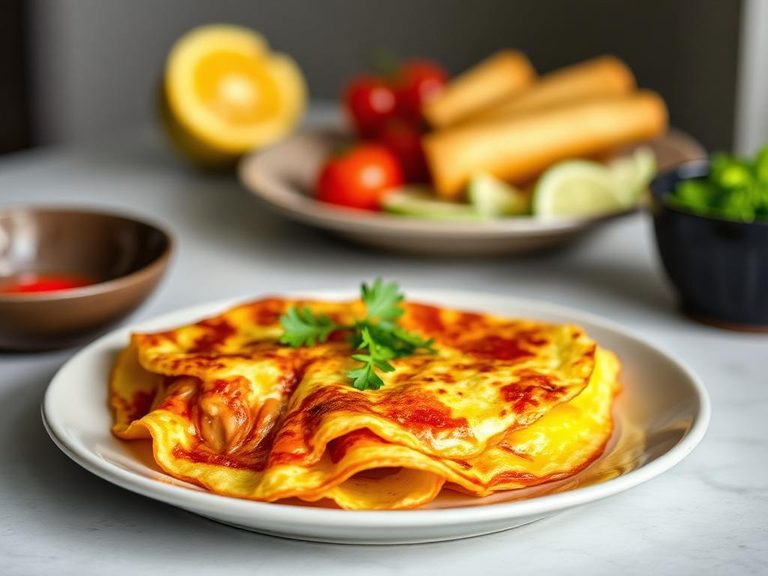
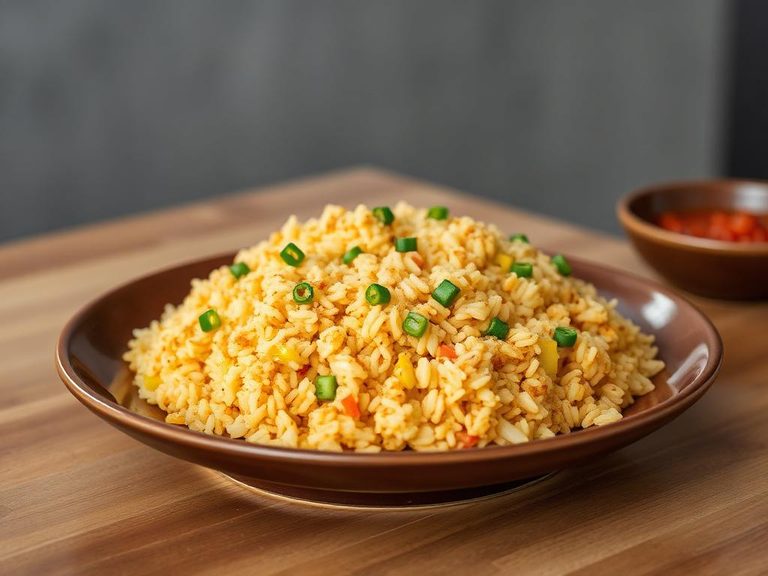
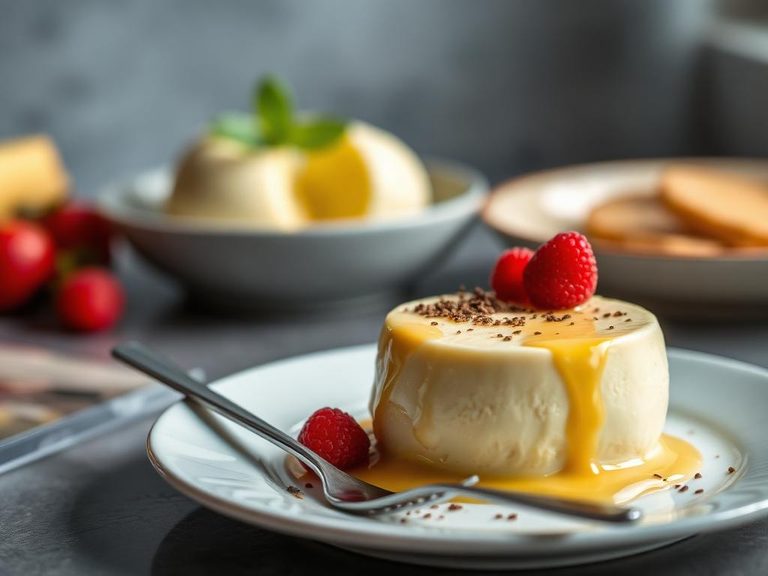
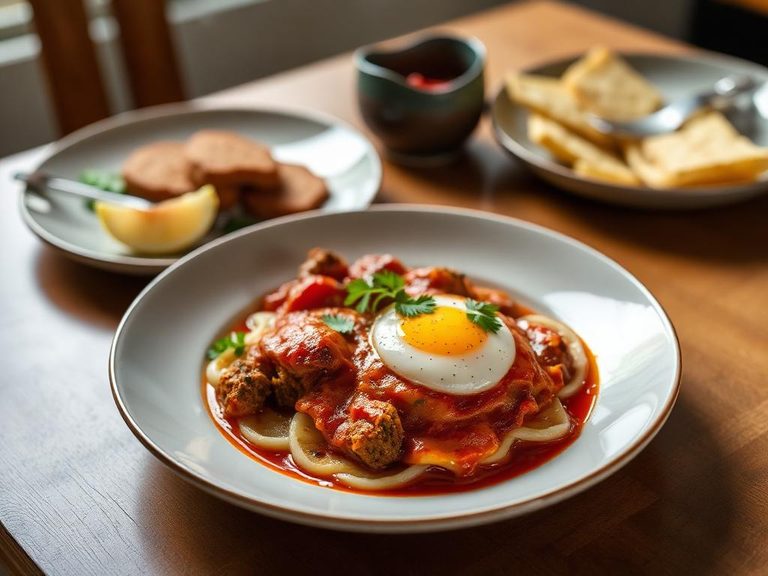
🌍 Where it's eaten
💡 Did you know?
A single large frozen egg, when thawed, weighs almost exactly the same as a fresh large egg (about 50g), making it a precise substitute in recipes.
Full nutrition (USDA data · scales with serving)
| Water | 75.4 g |
| Energy (Atwater General Factors) | 146 kcal |
| Energy (Atwater Specific Factors) | 150 kcal |
| Energy | 150 kcal |
| Energy | 627 kj |
| Nitrogen | 2.0 g |
| Protein | 12.3 g |
| Total lipid (fat) | 10.3 g |
| Ash | 1.2 g |
| Carbohydrate, by difference | 0.91 g |
| Calcium, Ca | 55.0 mg |
| Iron, Fe | 1.8 mg |
| Magnesium, Mg | 11.2 mg |
| Phosphorus, P | 189 mg |
| Potassium, K | 117 mg |
| Sodium, Na | 121 mg |
| Zinc, Zn | 1.2 mg |
| Copper, Cu | 0.00 mg |
| Manganese, Mn | 0.00 mg |
| Iodine, I | 61.6 ug |
| Vitamin D (D2 + D3), International Units | 91.0 iu |
| Vitamin D (D2 + D3) | 2.3 ug |
| Vitamin D2 (ergocalciferol) | 0.00 ug |
| Vitamin D3 (cholecalciferol) | 2.3 ug |
| 25-hydroxycholecalciferol | 0.60 ug |
Fat & fatty acid profile (per 100g)
| Cholesterol | 420 mg |
Amino acid profile (per 100g)
Estimated from Egg, whole, raw, frozen, salted, pasteurized — USDA does not publish this profile for Egg.
| Tryptophan | 0.23 g |
| Threonine | 0.48 g |
| Isoleucine | 0.56 g |
| Leucine | 0.94 g |
| Lysine | 0.79 g |
| Methionine | 0.30 g |
| Cystine | 0.24 g |
| Phenylalanine | 0.58 g |
| Tyrosine | 0.46 g |
| Valine | 0.67 g |
| Arginine | 0.70 g |
| Histidine | 0.27 g |
| Alanine | 0.61 g |
| Aspartic acid | 1.1 g |
| Glutamic acid | 1.4 g |
| Glycine | 0.36 g |
| Proline | 0.42 g |
| Serine | 0.85 g |
FAQ
How do I use a frozen egg?
Thaw it overnight in the refrigerator or use the defrost setting on your microwave. Once thawed, use it exactly like a fresh raw egg in any recipe.
Can I cook the egg directly from frozen?
For scrambled eggs or omelettes, yes. Crack the frozen egg into a hot, greased pan; it will thaw and cook quickly. For best results in baking, thaw it first.
Is the nutrition different from a fresh egg?
No. Freezing and pasteurization do not significantly alter the macronutrient or calorie content of the egg.
Nutrient density (calculated · NRF9.3)
Nutrient Rich Foods index: beneficial nutrients (protein, fiber, vitamins, minerals) minus saturated fat, added sugar & sodium, per 100 kcal.
NRF9.3 index — Fulgoni, Keast & Drewnowski, 2009. Computed from USDA nutrients.
Weight-loss friendliness (composite index)
Energy density 1.50 kcal/g · 33% calories from protein · 0.0 g fiber · 0.0 g sugar per 100 g.
Composite of energy density (Rolls et al., 1999), protein & fiber satiety, minus sugar. A calculated heuristic — ranks satiety-per-calorie, not a clinical measure.
Dietary load (calculated from USDA values)
Potential renal acid load. Positive = acid-forming, negative = alkaline-forming.
Sodium-to-potassium ratio: 1.03 (lower is better — aim for ≤ 1)
Sodium:potassium per WHO potassium guidance. Computed from USDA nutrients.