

Egg, white, raw, frozen, pasteurized
Whole food · Dairy and Egg Products

Photo: Wikipedia
This is pure, liquid egg white, separated from the yolk, flash-frozen, and pasteurized for safety. It has a thin, watery consistency and a neutral, slightly sulfurous taste that becomes bland when cooked. Nutritionally, it's a powerhouse of lean protein, offering over 10 grams per 100 grams with virtually no fat, carbs, or cholesterol.
Calorie split: 90% protein · 7% carbs · 3% fat
↓ Full nutrition💚 Why it's loved
People love it for its unmatched convenience in high-protein baking and meal prep, as it eliminates the mess of separating eggs. It's a staple in fitness and health-conscious diets for its ability to boost protein intake without adding significant calories or fat.
⚠️ Watch-outs & how to enjoy it better
Some find the cooked texture rubbery or dry if overcooked, and it lacks the rich flavor of whole eggs. As a common allergen, those with egg white allergies must avoid it entirely; to counteract the blandness, season well or pair with flavorful ingredients like herbs, spices, or a small amount of fat like avocado.
Key benefits
- Excellent source of high-quality, complete protein
- Virtually fat-free and cholesterol-free
- Low in calories, ideal for lean muscle building
- Pasteurized for safety, reducing Salmonella risk
- Convenient, no-waste alternative to separating fresh eggs
🍽️ Popular dishes

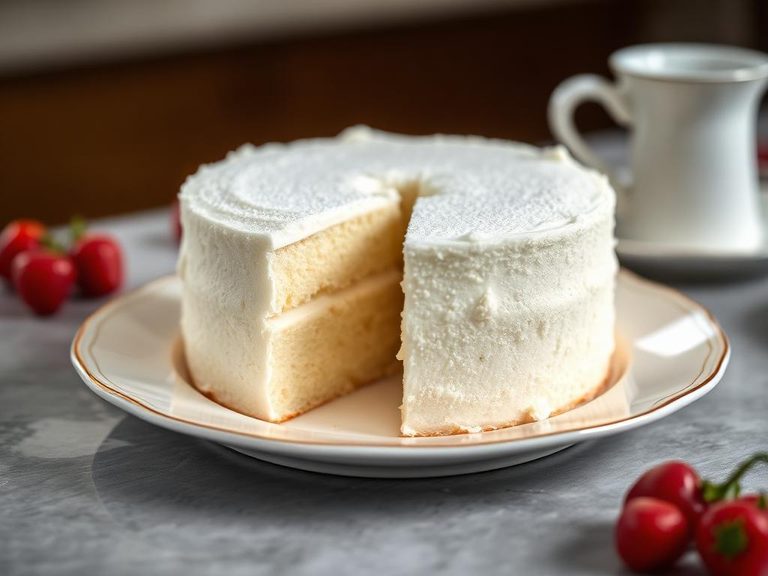
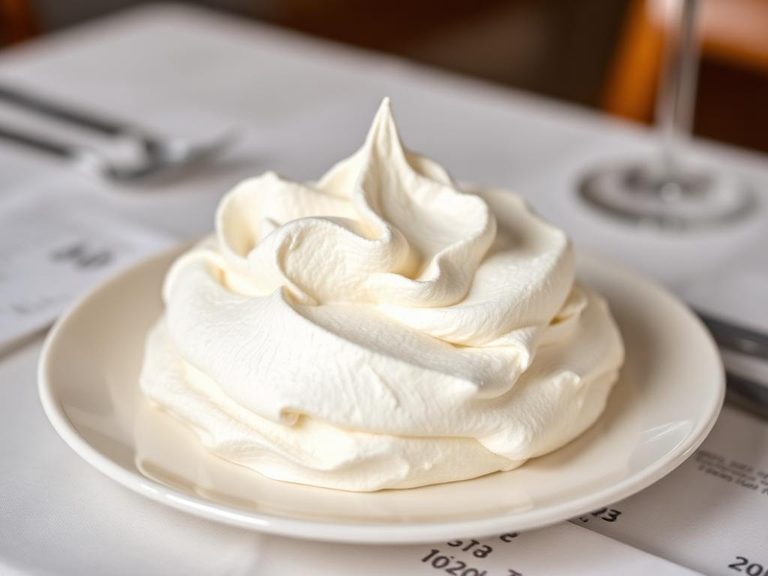
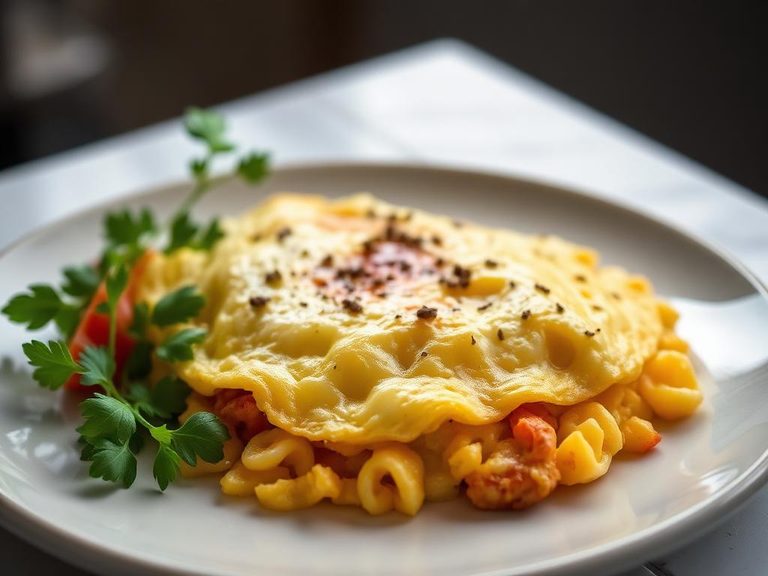
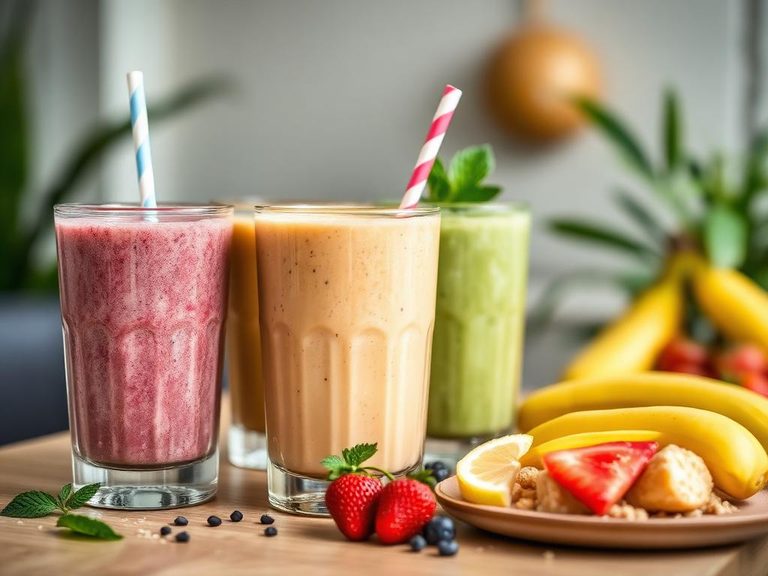
🌍 Where it's eaten
💡 Did you know?
The protein in egg whites, particularly ovalbumin, is so effective at forming a stable foam that it's used in the brewing industry to clarify beer and in some industrial adhesives.
Full nutrition (USDA data · scales with serving)
| Water | 88.3 g |
| Energy (Atwater General Factors) | 45.0 kcal |
| Energy (Atwater Specific Factors) | 48.0 kcal |
| Energy | 48.0 kcal |
| Energy | 201 kj |
| Nitrogen | 1.6 g |
| Protein | 10.1 g |
| Total lipid (fat) | 0.16 g |
| Ash | 0.70 g |
| Carbohydrate, by difference | 0.74 g |
| Calcium, Ca | 9.0 mg |
| Iron, Fe | 0.18 mg |
| Magnesium, Mg | 10.6 mg |
| Phosphorus, P | 0.00 mg |
| Potassium, K | 130 mg |
| Sodium, Na | 144 mg |
| Zinc, Zn | 0.02 mg |
| Copper, Cu | 0.00 mg |
| Manganese, Mn | 0.00 mg |
| Iodine, I | 0.00 ug |
| Vitamin D (D2 + D3), International Units | 0.00 iu |
| Vitamin D (D2 + D3) | 0.00 ug |
| Vitamin D2 (ergocalciferol) | 0.00 ug |
| Vitamin D3 (cholecalciferol) | 0.00 ug |
| 25-hydroxycholecalciferol | 0.00 ug |
Fat & fatty acid profile (per 100g)
| Cholesterol | 3.0 mg |
Amino acid profile (per 100g)
Estimated from Egg, whole, raw, frozen, salted, pasteurized — USDA does not publish this profile for Egg.
| Tryptophan | 0.23 g |
| Threonine | 0.48 g |
| Isoleucine | 0.56 g |
| Leucine | 0.94 g |
| Lysine | 0.79 g |
| Methionine | 0.30 g |
| Cystine | 0.24 g |
| Phenylalanine | 0.58 g |
| Tyrosine | 0.46 g |
| Valine | 0.67 g |
| Arginine | 0.70 g |
| Histidine | 0.27 g |
| Alanine | 0.61 g |
| Aspartic acid | 1.1 g |
| Glutamic acid | 1.4 g |
| Glycine | 0.36 g |
| Proline | 0.42 g |
| Serine | 0.85 g |
FAQ
Is pasteurized raw egg white safe to eat?
Yes, pasteurization heats the egg whites to a temperature that kills harmful bacteria like Salmonella without cooking the protein, making them safe for consumption in smoothies or other raw applications.
Can I substitute frozen egg whites for fresh ones in recipes?
Absolutely. Thawed frozen egg whites behave identically to fresh ones in baking and cooking. The standard conversion is that 3 tablespoons (about 45g) of liquid egg white equals one large fresh egg white.
Why do some people avoid egg whites?
Some avoid them due to egg allergies (a common allergen), while others prefer whole eggs for their fat-soluble vitamins and the richer flavor from the yolk. A small number also avoid them due to concerns about avidin, a protein that can interfere with biotin absorption if consumed raw in very large quantities.
Nutrient density (calculated · NRF9.3)
Nutrient Rich Foods index: beneficial nutrients (protein, fiber, vitamins, minerals) minus saturated fat, added sugar & sodium, per 100 kcal.
NRF9.3 index — Fulgoni, Keast & Drewnowski, 2009. Computed from USDA nutrients.
Weight-loss friendliness (composite index)
Energy density 0.48 kcal/g · 84% calories from protein · 0.0 g fiber · 0.0 g sugar per 100 g.
Composite of energy density (Rolls et al., 1999), protein & fiber satiety, minus sugar. A calculated heuristic — ranks satiety-per-calorie, not a clinical measure.
Dietary load (calculated from USDA values)
Potential renal acid load. Positive = acid-forming, negative = alkaline-forming.
Sodium-to-potassium ratio: 1.11 (lower is better — aim for ≤ 1)
Sodium:potassium per WHO potassium guidance. Computed from USDA nutrients.