

Cereals, QUAKER, Quick Oats with Iron, Dry
Whole food · Breakfast Cereals
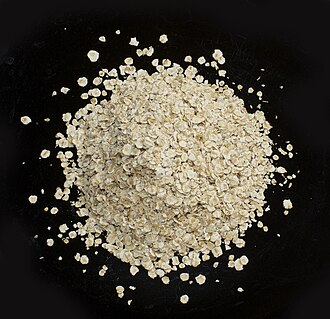
Photo: Wikipedia
Quaker Quick Oats with Iron are pre-cooked, rolled oat flakes designed for a fast, creamy porridge. They offer a mild, toasty flavor with a soft, comforting texture when prepared. Nutritionally, they are a standout source of complex carbohydrates, fiber, and added iron.
Calorie split: 14% protein · 70% carbs · 16% fat
↓ Full nutrition💚 Why it's loved
People love it for its comforting, mild taste and the creamy, hearty texture it develops with minimal cooking. It's a versatile breakfast staple that acts as a blank canvas for both sweet and savory toppings.
⚠️ Watch-outs & how to enjoy it better
The quick-cook process can cause a faster blood sugar rise compared to steel-cut oats. To counteract this, pair it with protein (like Greek yogurt or nuts) and healthy fats (like nut butter or seeds) to slow digestion. Those with celiac disease should ensure it's certified gluten-free, as oats are often cross-contaminated.
Key benefits
- Excellent source of soluble fiber (beta-glucan) for heart health.
- Provides a significant amount of added iron per serving.
- High in complex carbohydrates for sustained energy release.
- Low in sugar and a good source of plant-based protein.
- Quick-cooking format saves time while retaining nutritional value.
🍽️ Popular dishes
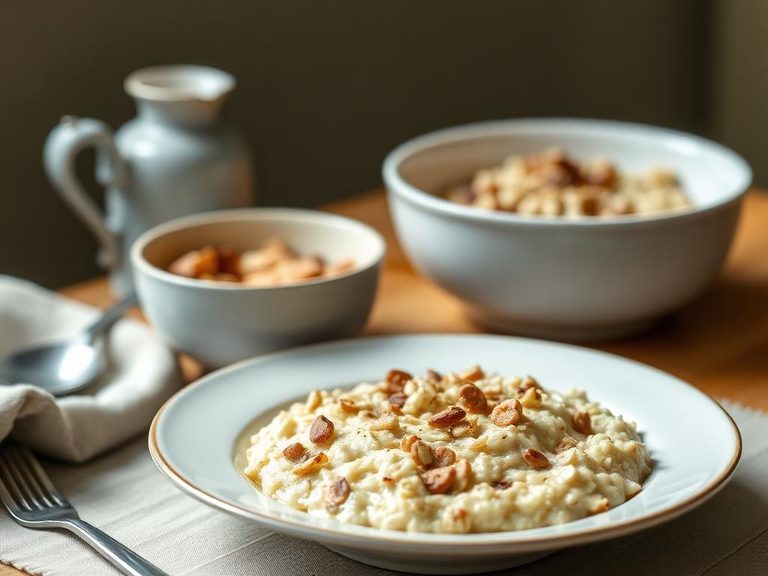
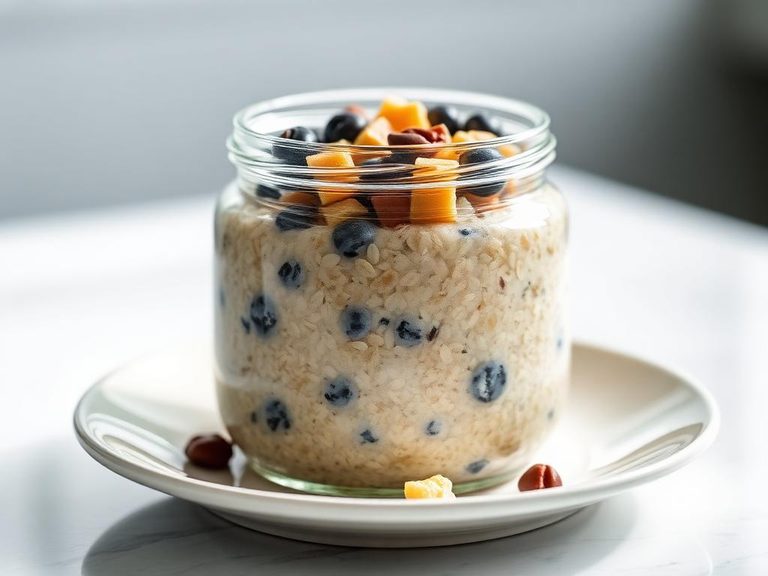
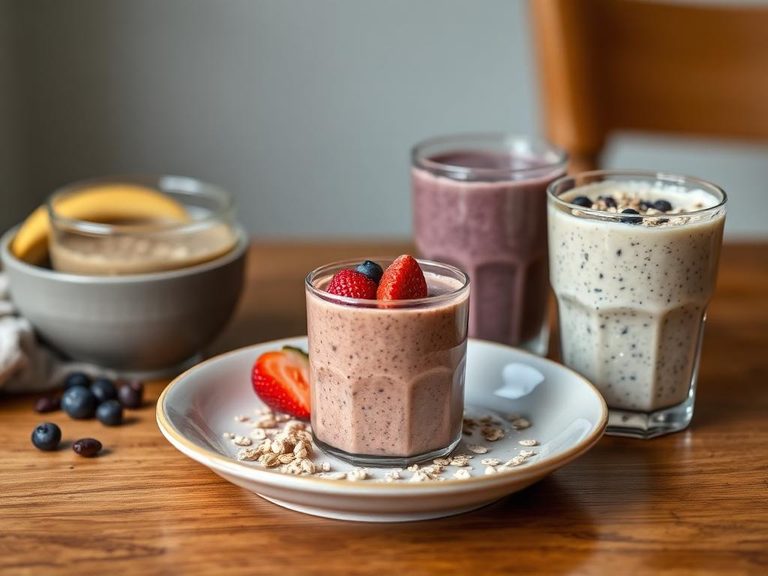
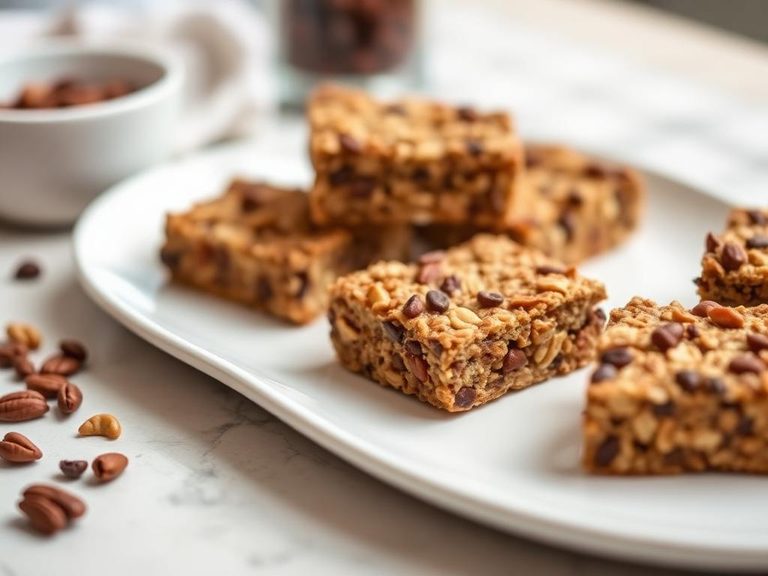

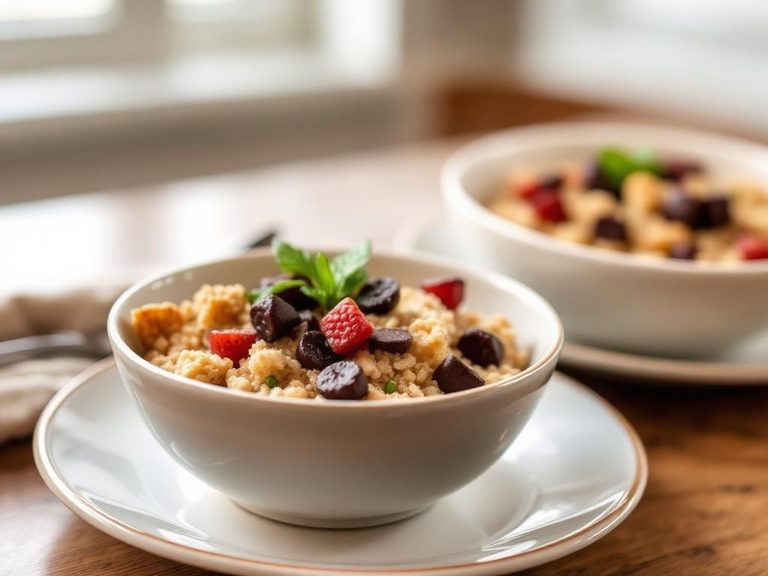
🌍 Where it's eaten
💡 Did you know?
The 'quick' in Quick Oats refers to them being rolled thinner than regular oats, which increases their surface area and allows them to absorb water and cook in just 1-2 minutes.
Full nutrition (USDA data · scales with serving)
| Water | 9.4 g |
| Energy | 371 kcal |
| Energy | 1552 kj |
| Protein | 13.7 g |
| Total lipid (fat) | 6.9 g |
| Ash | 1.9 g |
| Carbohydrate, by difference | 68.2 g |
| Fiber, total dietary | 9.4 g |
| Total Sugars | 1.4 g |
| Calcium, Ca | 47.0 mg |
| Iron, Fe | 49.5 mg |
| Magnesium, Mg | 270 mg |
| Phosphorus, P | 458 mg |
| Potassium, K | 358 mg |
| Sodium, Na | 3.0 mg |
| Zinc, Zn | 3.2 mg |
| Vitamin C, total ascorbic acid | 0.00 mg |
| Thiamin | 0.54 mg |
| Riboflavin | 0.12 mg |
| Niacin | 0.82 mg |
| Vitamin B-6 | 0.10 mg |
| Folate, total | 49.0 ug |
| Vitamin B-12 | 0.00 ug |
| Vitamin A, IU | 0.00 iu |
| Vitamin E (alpha-tocopherol) | 0.66 mg |
Fat & fatty acid profile (per 100g)
| Fatty acids, total saturated | 0.96 g |
| Fatty acids, total monounsaturated | 2.0 g |
| Fatty acids, total polyunsaturated | 2.1 g |
| Fatty acids, total trans | 0.00 g |
| Cholesterol | 0.00 mg |
Amino acid profile (per 100g)
Estimated from Cereals ready-to-eat, POST, HONEY BUNCHES OF OATS, honey roasted — USDA does not publish this profile for Cereals.
| Tryptophan | 0.09 g |
| Threonine | 0.24 g |
| Isoleucine | 0.26 g |
| Leucine | 0.80 g |
| Lysine | 0.12 g |
| Methionine | 0.10 g |
| Cystine | 0.11 g |
| Phenylalanine | 0.39 g |
| Tyrosine | 0.21 g |
| Valine | 0.34 g |
| Arginine | 0.24 g |
| Histidine | 0.18 g |
| Alanine | 0.46 g |
| Aspartic acid | 0.48 g |
| Glutamic acid | 1.9 g |
| Glycine | 0.27 g |
| Proline | 0.49 g |
| Serine | 0.38 g |
FAQ
How does 'Quick Oats' differ from 'Rolled Oats' or 'Steel-Cut'?
Quick Oats are steamed and rolled thinner than regular rolled oats for faster cooking. Steel-Cut Oats are whole groats chopped into pieces, taking the longest to cook but offering the chewiest texture.
Why is iron added to this product?
Iron is a crucial mineral for oxygen transport in the blood. It's added to fortify the cereal, helping to prevent iron deficiency, which is a common nutritional shortfall.
Can I use this to make oat flour?
Yes. Simply pulse the dry oats in a blender or food processor until they reach a fine, flour-like consistency, perfect for baking.
Nutrient density (calculated · NRF9.3)
Nutrient Rich Foods index: beneficial nutrients (protein, fiber, vitamins, minerals) minus saturated fat, added sugar & sodium, per 100 kcal.
NRF9.3 index — Fulgoni, Keast & Drewnowski, 2009. Computed from USDA nutrients.
Weight-loss friendliness (composite index)
Energy density 3.71 kcal/g · 15% calories from protein · 9.4 g fiber · 1.4 g sugar per 100 g.
Composite of energy density (Rolls et al., 1999), protein & fiber satiety, minus sugar. A calculated heuristic — ranks satiety-per-calorie, not a clinical measure.
Dietary load (calculated from USDA values)
Potential renal acid load. Positive = acid-forming, negative = alkaline-forming.
Sodium-to-potassium ratio: 0.01 (lower is better — aim for ≤ 1)
Sodium:potassium per WHO potassium guidance. Computed from USDA nutrients.