

Yogurt, Greek, 2% fat,mixed berry blend, CHOBANI
Whole food · Dairy and Egg Products

Photo: Wikipedia
This is a creamy, strained Greek yogurt blended with a vibrant mix of berries, offering a tangy-sweet flavor and a thick, velvety texture. With 8.26g of protein per 100g, it's a protein-packed snack that delivers a satisfying balance of tartness and berry sweetness without excessive fat.
Calorie split: 35% protein · 47% carbs · 18% fat
↓ Full nutrition💚 Why it's loved
People love it for the harmonious blend of creamy yogurt and sweet-tart berry flavor, making it a delicious, convenient snack or breakfast. Its versatility shines in both sweet and savory applications, from parfaits to marinades.
⚠️ Watch-outs & how to enjoy it better
Some may experience bloating or digestive discomfort due to the dairy content or probiotics, especially if lactose intolerant. The added berries can contribute to natural sugars, which might affect blood sugar; pairing it with a source of healthy fat or fiber can help mitigate this.
Key benefits
- High in protein for muscle repair and satiety
- Lower in fat than full-fat versions (2%)
- Contains live probiotics for gut health
- Good source of calcium for bone strength
- Provides antioxidants from mixed berries
🍽️ Popular dishes

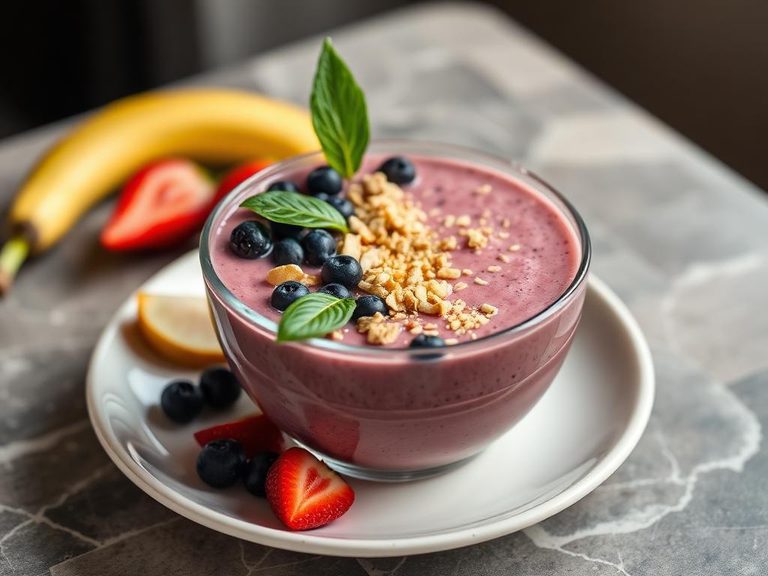

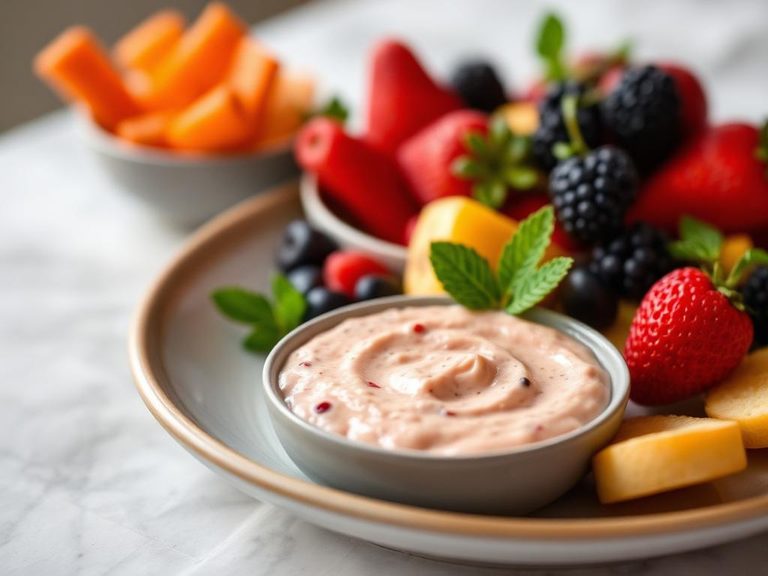
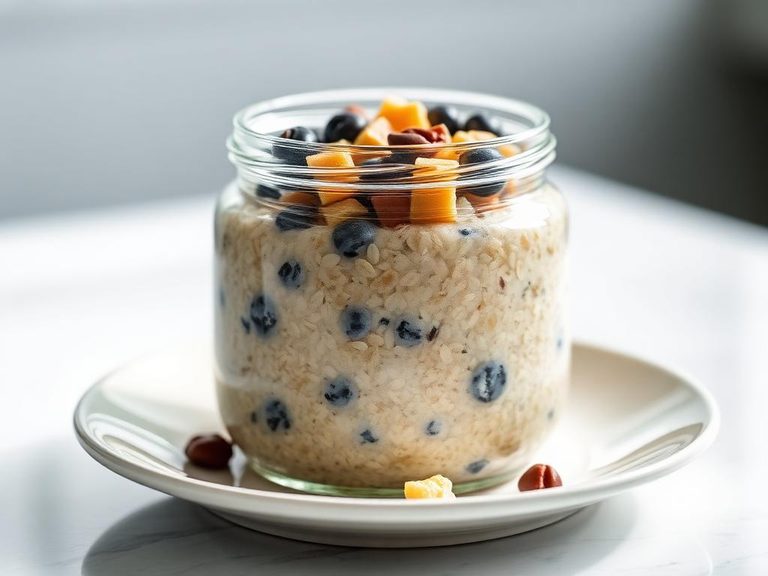
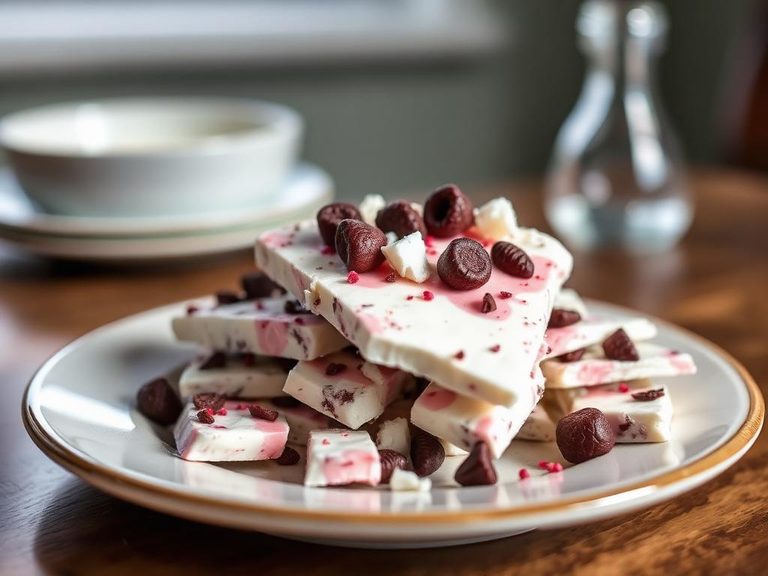
🌍 Where it's eaten
💡 Did you know?
The straining process that gives Greek yogurt its thickness was originally a method to preserve milk in the arid climates of the Mediterranean, concentrating its nutrients and extending its shelf life.
Full nutrition (USDA data · scales with serving)
| Water | 78.4 g |
| Energy | 93.0 kcal |
| Energy | 390 kj |
| Protein | 8.3 g |
| Total lipid (fat) | 1.8 g |
| Ash | 0.66 g |
| Carbohydrate, by difference | 10.9 g |
| Fiber, total dietary | 0.60 g |
| Sucrose | 4.8 g |
| Glucose | 1.2 g |
| Fructose | 1.1 g |
| Lactose | 2.5 g |
| Maltose | 0.00 g |
| Calcium, Ca | 94.0 mg |
| Iron, Fe | 0.03 mg |
| Sodium, Na | 41.0 mg |
| Vitamin C, total ascorbic acid | 0.00 mg |
| Vitamin A, RAE | 24.0 ug |
| Retinol | 24.0 ug |
| Carotene, beta | 0.00 ug |
| Vitamin A, IU | 79.0 iu |
Fat & fatty acid profile (per 100g)
| Fatty acids, total saturated | 1.1 g |
| Fatty acids, total monounsaturated | 0.42 g |
| Fatty acids, total polyunsaturated | 0.05 g |
| Fatty acids, total trans | 0.08 g |
| Cholesterol | 7.0 mg |
Amino acid profile (per 100g)
| Tryptophan | 0.12 g |
| Threonine | 0.37 g |
| Isoleucine | 0.45 g |
| Leucine | 0.82 g |
| Lysine | 0.71 g |
| Methionine | 0.23 g |
| Cystine | 0.05 g |
| Phenylalanine | 0.41 g |
| Tyrosine | 0.41 g |
| Valine | 0.54 g |
| Arginine | 0.30 g |
| Histidine | 0.24 g |
| Alanine | 0.28 g |
| Aspartic acid | 0.66 g |
| Glutamic acid | 1.8 g |
| Glycine | 0.16 g |
| Proline | 0.84 g |
| Serine | 0.46 g |
FAQ
Is this yogurt suitable for people with lactose intolerance?
Greek yogurt is often lower in lactose than regular yogurt because the straining process removes some of the whey, which contains lactose. However, it's not lactose-free, so those with severe intolerance should exercise caution or opt for a lactose-free version.
How does the 2% fat content affect its use in cooking?
The 2% fat makes it a lighter alternative to full-fat yogurt in recipes like sauces, dips, or baked goods, providing creaminess with less calories. It holds up well in cold dishes but may curdle if boiled rapidly in hot sauces.
What's the difference between this and regular berry yogurt?
Greek yogurt is strained to remove whey, resulting in a thicker, creamier texture and a higher protein concentration per serving. Regular berry yogurt is typically thinner and may contain more added sugars and less protein.
Nutrient density (calculated · NRF9.3)
Nutrient Rich Foods index: beneficial nutrients (protein, fiber, vitamins, minerals) minus saturated fat, added sugar & sodium, per 100 kcal.
NRF9.3 index — Fulgoni, Keast & Drewnowski, 2009. Computed from USDA nutrients.
Weight-loss friendliness (composite index)
Energy density 0.93 kcal/g · 36% calories from protein · 0.6 g fiber · 0.0 g sugar per 100 g.
Composite of energy density (Rolls et al., 1999), protein & fiber satiety, minus sugar. A calculated heuristic — ranks satiety-per-calorie, not a clinical measure.