

Veal, variety meats and by-products, spleen, raw
Whole food · Lamb, Veal, and Game Products

Photo: Wikipedia
Raw veal spleen is a deep crimson, iron-rich organ meat with a smooth, dense, and slightly creamy texture when cooked. Its flavor is mild and subtly sweet, far less metallic than liver, with a delicate, velvety mouthfeel. Nutritionally, it is a powerhouse of protein (18.3g per 100g) and B vitamins, with virtually no fat or carbohydrates.
Calorie split: 79% protein · 0% carbs · 21% fat
↓ Full nutrition💚 Why it's loved
People love it for its unique, delicate flavor and velvety texture, which is considered a delicacy in many culinary traditions. Its ability to absorb sauces and pair with bold ingredients like onions and vinegar makes it a versatile and cherished ingredient.
⚠️ Watch-outs & how to enjoy it better
The primary downside is its high cholesterol content, which may concern those managing heart health. To counteract this, pair it with fiber-rich vegetables and limit portion sizes. Additionally, its strong, distinct flavor can be off-putting to some; marinating in acidic liquids like lemon juice or vinegar can mellow it.
Key benefits
- Exceptionally high in protein for muscle maintenance and satiety.
- Rich source of heme iron, more bioavailable than plant-based iron.
- Contains significant amounts of B12, essential for nerve function and red blood cell formation.
- Naturally low in fat and carbohydrates, making it suitable for low-fat and keto diets.
🍽️ Popular dishes
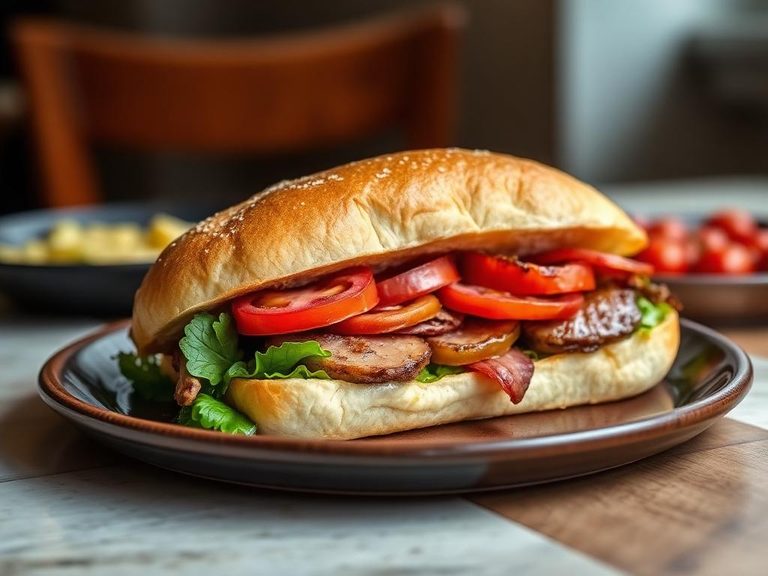
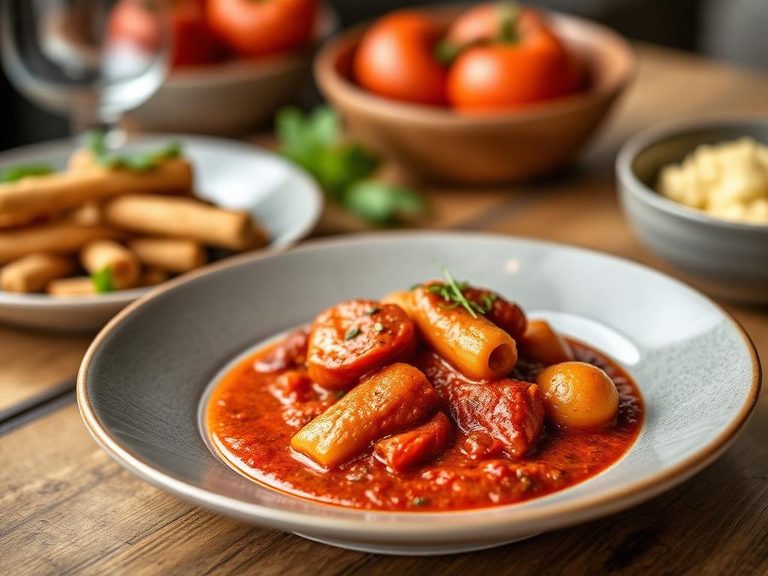
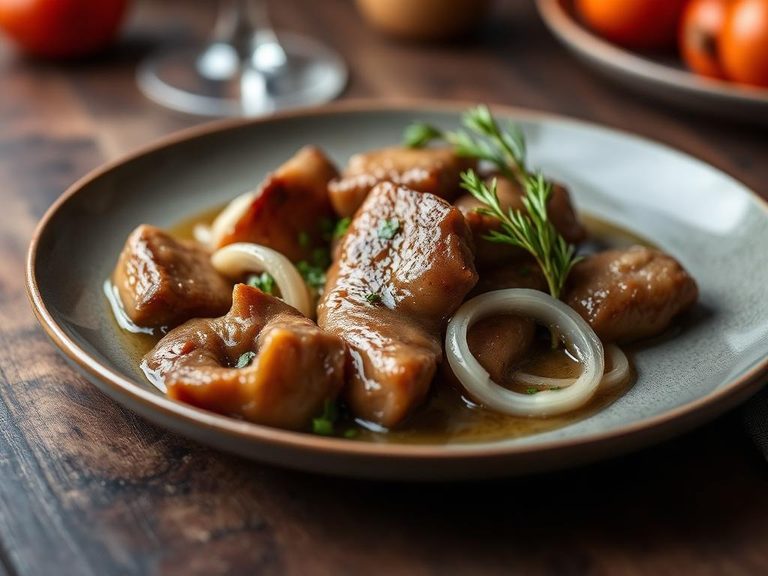
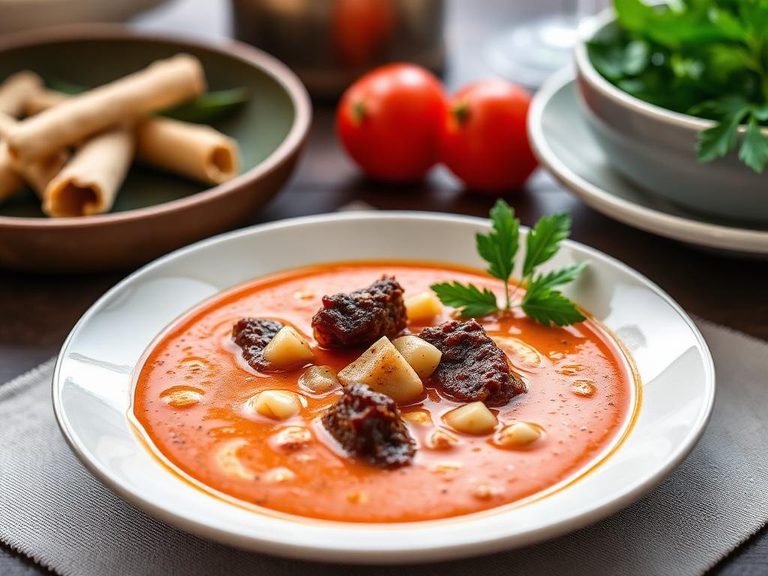
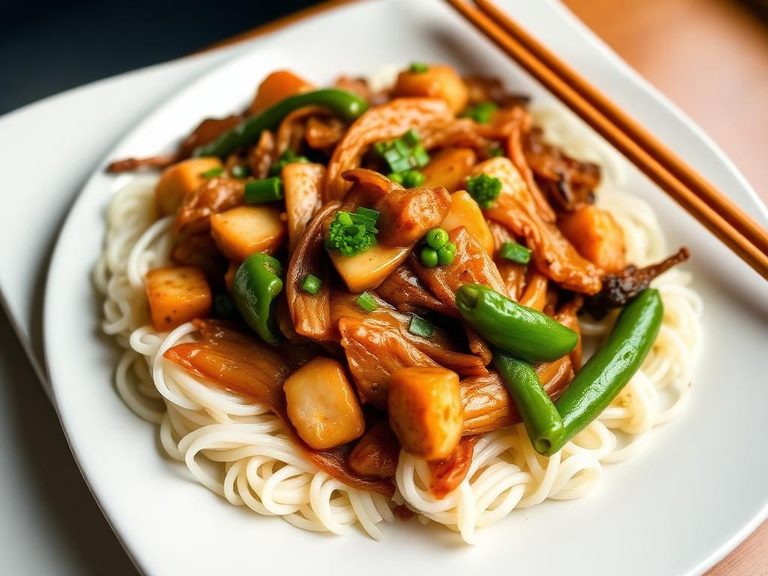
🌍 Where it's eaten
💡 Did you know?
Veal spleen is one of the most efficient natural sources of iron, containing roughly 4-5 times more iron per 100g than lean beef.
Full nutrition (USDA data · scales with serving)
| Water | 78.2 g |
| Energy | 98.0 kcal |
| Energy | 410 kj |
| Protein | 18.3 g |
| Total lipid (fat) | 2.2 g |
| Ash | 1.3 g |
| Carbohydrate, by difference | 0.00 g |
| Fiber, total dietary | 0.00 g |
| Calcium, Ca | 6.0 mg |
| Iron, Fe | 9.3 mg |
| Magnesium, Mg | 17.0 mg |
| Phosphorus, P | 339 mg |
| Potassium, K | 362 mg |
| Sodium, Na | 97.0 mg |
| Zinc, Zn | 1.6 mg |
| Copper, Cu | 0.17 mg |
| Manganese, Mn | 0.07 mg |
| Selenium, Se | 61.7 ug |
| Vitamin C, total ascorbic acid | 41.0 mg |
| Thiamin | 0.05 mg |
| Riboflavin | 0.35 mg |
| Niacin | 7.9 mg |
| Vitamin B-6 | 0.11 mg |
| Folate, total | 4.0 ug |
| Folic acid | 0.00 ug |
| Folate, food | 4.0 ug |
| Folate, DFE | 4.0 ug |
| Vitamin B-12 | 5.3 ug |
| Vitamin A, RAE | 0.00 ug |
| Retinol | 0.00 ug |
| Vitamin A, IU | 0.00 iu |
Fat & fatty acid profile (per 100g)
| Fatty acids, total saturated | 0.73 g |
| Fatty acids, total monounsaturated | 0.59 g |
| MUFA 18:1 | 0.50 g |
| Fatty acids, total polyunsaturated | 0.16 g |
| PUFA 18:2 | 0.16 g |
| Cholesterol | 340 mg |
Amino acid profile (per 100g)
| Tryptophan | 0.18 g |
| Threonine | 0.74 g |
| Isoleucine | 0.84 g |
| Leucine | 1.2 g |
| Lysine | 1.4 g |
| Methionine | 0.40 g |
| Cystine | 0.22 g |
| Phenylalanine | 0.65 g |
| Tyrosine | 0.50 g |
| Valine | 0.85 g |
FAQ
What does veal spleen taste like?
It has a mild, slightly sweet flavor with a smooth, dense texture, less metallic than liver. It absorbs sauces well.
Is veal spleen healthy?
It's very high in protein and iron, but also high in cholesterol. It's a nutrient-dense food best enjoyed in moderation as part of a balanced diet.
How do you prepare veal spleen?
It's often sliced, marinated, and then quickly pan-fried, grilled, or simmered in sauces. It should be cooked thoroughly.
Nutrient density (calculated · NRF9.3)
Nutrient Rich Foods index: beneficial nutrients (protein, fiber, vitamins, minerals) minus saturated fat, added sugar & sodium, per 100 kcal.
NRF9.3 index — Fulgoni, Keast & Drewnowski, 2009. Computed from USDA nutrients.
Weight-loss friendliness (composite index)
Energy density 0.98 kcal/g · 75% calories from protein · 0.0 g fiber · 0.0 g sugar per 100 g.
Composite of energy density (Rolls et al., 1999), protein & fiber satiety, minus sugar. A calculated heuristic — ranks satiety-per-calorie, not a clinical measure.
Dietary load (calculated from USDA values)
Potential renal acid load. Positive = acid-forming, negative = alkaline-forming.
Sodium-to-potassium ratio: 0.27 (lower is better — aim for ≤ 1)
Sodium:potassium per WHO potassium guidance. Computed from USDA nutrients.