

Syrup, maple, Canadian
Whole food · Sweets

Photo: Wikipedia
Pure Canadian maple syrup is a viscous, amber liquid harvested from the sap of sugar maple trees, offering a complex, rich sweetness with notes of caramel, vanilla, and a hint of earthiness. Its nutrition is almost entirely composed of carbohydrates, specifically sugars, with a notable presence of minerals like manganese and zinc. It is a natural, unrefined sweetener that provides a distinct, robust flavor profile far more nuanced than simple sugar.
Calorie split: 0% protein · 100% carbs · 0% fat
↓ Full nutrition💚 Why it's loved
People love it for its unparalleled, complex sweetness that elevates everything from breakfast pancakes to savory glazes, and for its deep cultural significance as a symbol of Canadian heritage and the spring harvest season.
⚠️ Watch-outs & how to enjoy it better
Its high sugar content (nearly 60g per 100g) can cause rapid blood-sugar spikes, making it unsuitable for those with diabetes or strict low-carb diets. To counteract this, always pair it with protein or fat (like nuts, yogurt, or whole-grain pancakes) and practice strict portion control (1-2 tablespoons).
Key benefits
- Rich in manganese and zinc, which support immune function and bone health.
- Contains over 60 identified antioxidant compounds, including polyphenols.
- Provides a quick source of energy from natural carbohydrates.
- Contains no fat, cholesterol, or sodium.
- A natural alternative to refined sugars with a lower glycemic index than many sweeteners.
🍽️ Popular dishes

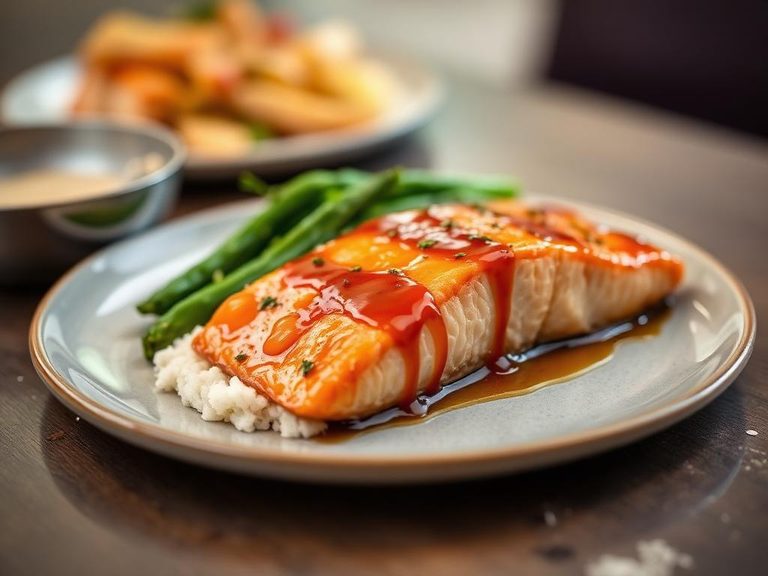
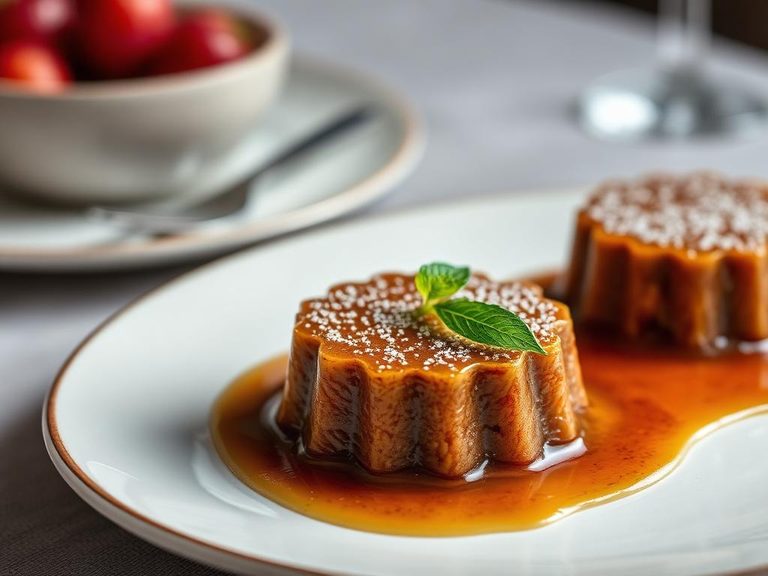
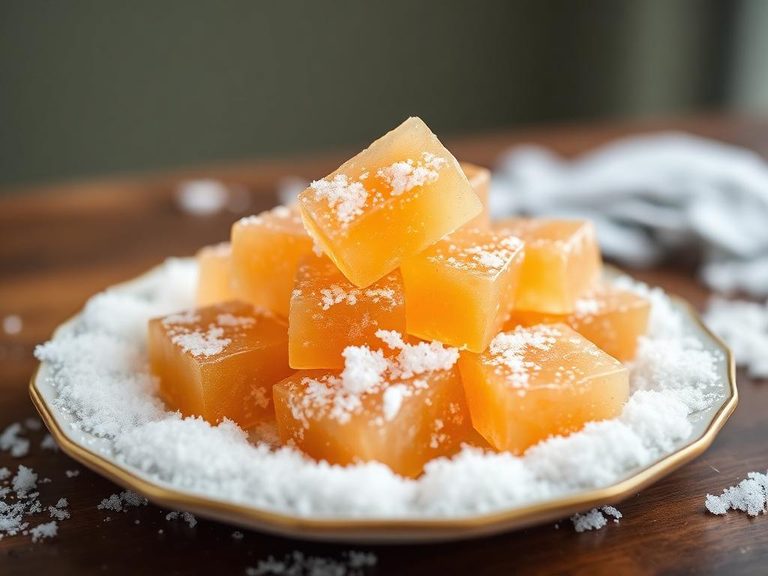
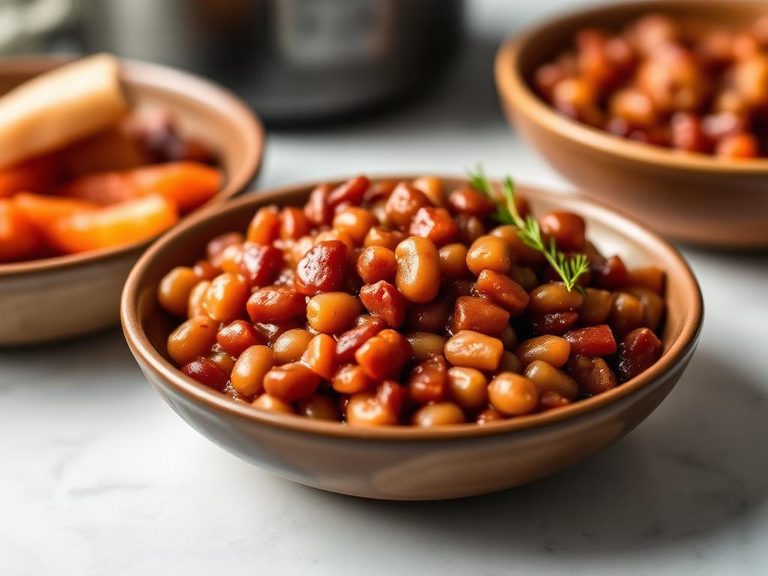

🌍 Where it's eaten
💡 Did you know?
It takes approximately 40 liters (about 10.5 gallons) of raw maple sap to produce just one liter (about 0.26 gallons) of finished maple syrup.
Full nutrition (USDA data · scales with serving)
| Water | 32.1 g |
| Energy | 270 kcal |
| Energy | 1128 kj |
| Protein | 0.00 g |
| Total lipid (fat) | 0.00 g |
| Ash | 0.47 g |
| Carbohydrate, by difference | 67.4 g |
| Fiber, total dietary | 0.00 g |
| Total Sugars | 59.9 g |
| Sucrose | 58.9 g |
| Glucose | 0.65 g |
| Fructose | 0.34 g |
| Lactose | 0.00 g |
| Maltose | 0.00 g |
| Galactose | 0.00 g |
| Calcium, Ca | 109 mg |
| Iron, Fe | 0.11 mg |
| Magnesium, Mg | 21.0 mg |
| Potassium, K | 225 mg |
| Sodium, Na | 9.0 mg |
| Zinc, Zn | 0.70 mg |
| Manganese, Mn | 2.3 mg |
| Vitamin C, total ascorbic acid | 0.00 mg |
| Thiamin | 0.07 mg |
| Riboflavin | 1.3 mg |
| Niacin | 0.08 mg |
| Vitamin B-12 | 0.00 ug |
| Vitamin A, RAE | 0.00 ug |
| Vitamin A, IU | 0.00 iu |
| Caffeine | 0.00 mg |
Fat & fatty acid profile (per 100g)
| Cholesterol | 0.00 mg |
Amino acid profile (per 100g)
Estimated from Fruit syrup — USDA does not publish this profile for Syrup.
| Tryptophan | 0.00 g |
| Threonine | 0.00 g |
| Isoleucine | 0.00 g |
| Leucine | 0.00 g |
| Lysine | 0.00 g |
| Methionine | 0.00 g |
| Cystine | 0.00 g |
| Phenylalanine | 0.00 g |
| Tyrosine | 0.00 g |
| Valine | 0.00 g |
| Arginine | 0.00 g |
| Histidine | 0.00 g |
| Alanine | 0.00 g |
| Aspartic acid | 0.00 g |
| Glutamic acid | 0.00 g |
| Glycine | 0.00 g |
| Proline | 0.00 g |
| Serine | 0.00 g |
FAQ
What is the difference between Grade A and Grade B maple syrup?
The grading system was updated in 2015. 'Grade A' now includes four color/flavor categories (Golden, Amber, Dark, Very Dark). 'Grade B' was renamed to 'Grade A: Very Dark, Strong Taste.' The color and flavor intensity increase as the harvest season progresses.
Is maple syrup healthier than table sugar?
While it contains more minerals and antioxidants than refined sugar, it is still a concentrated source of sugar and calories. It should be used in moderation as part of a balanced diet, not as a health food.
How should I store maple syrup?
Unopened, it can be stored in a cool, dark place for about a year. Once opened, it must be refrigerated to prevent mold. For long-term storage, it can be frozen indefinitely without affecting quality.
Nutrient density (calculated · NRF9.3)
Nutrient Rich Foods index: beneficial nutrients (protein, fiber, vitamins, minerals) minus saturated fat, added sugar & sodium, per 100 kcal.
NRF9.3 index — Fulgoni, Keast & Drewnowski, 2009. Computed from USDA nutrients.
Weight-loss friendliness (composite index)
Energy density 2.70 kcal/g · 0% calories from protein · 0.0 g fiber · 59.9 g sugar per 100 g.
Composite of energy density (Rolls et al., 1999), protein & fiber satiety, minus sugar. A calculated heuristic — ranks satiety-per-calorie, not a clinical measure.
Dietary load (calculated from USDA values)
Sodium-to-potassium ratio: 0.04 (lower is better — aim for ≤ 1)
Sodium:potassium per WHO potassium guidance. Computed from USDA nutrients.