Pickles, cucumber, dill or kosher dill
Whole food · Vegetables and Vegetable Products
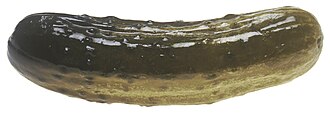
Photo: Wikipedia
A crisp, tangy cucumber preserved in a brine of vinegar, salt, and dill, offering a satisfying crunch and a sour, salty punch. Its nutrition is remarkably light, delivering only 12 calories and virtually no fat or sugar per 100g, making it a low-energy-density food.
💚 Why it's loved
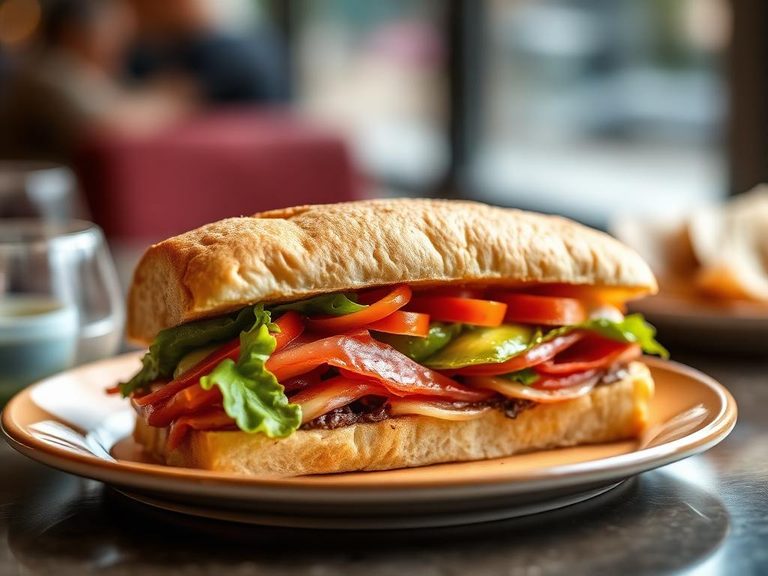
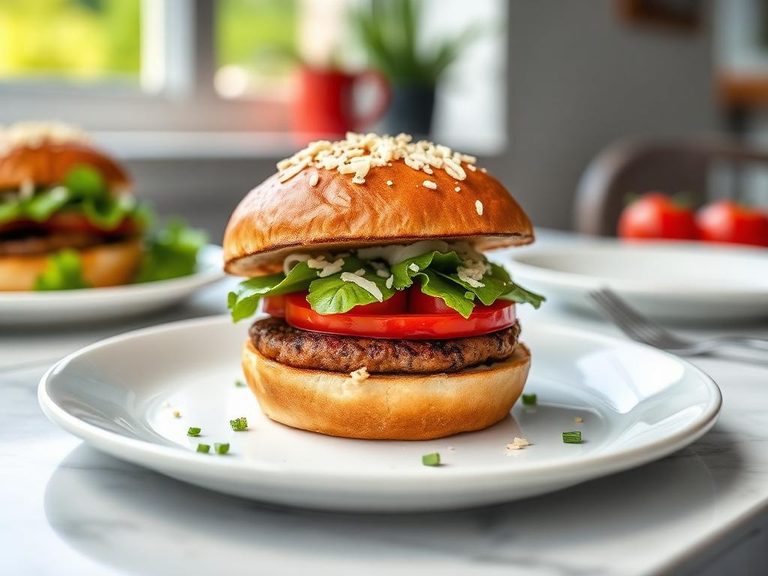
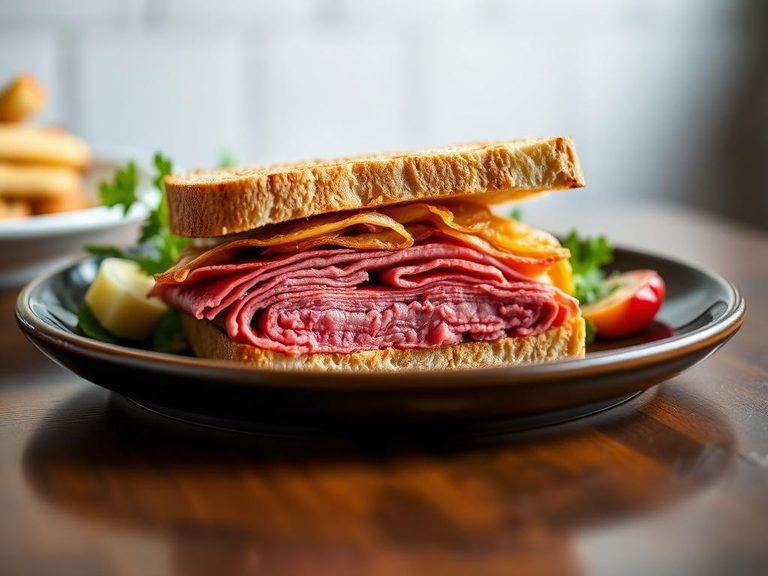
People adore the sharp, briny flavor and crunchy texture that cuts through rich, fatty foods, acting as a perfect palate cleanser. It's a cultural staple in delis, on burgers, and as a standalone snack, embodying comfort and tradition.
⚠️ Watch-outs & how to enjoy it better
The primary concern is high sodium content, which can be problematic for those monitoring blood pressure. Those with sensitive digestive systems may find the acidity or fermentation byproducts (like histamines) cause discomfort. **Tip:** Rinse slices to reduce surface sodium, or choose low-sodium brands. Pair with a potassium-rich food like avocado or a banana to help balance sodium levels.
Key benefits
- Extremely low in calories and fat
- Contains probiotics if fermented (not just vinegar-pickled)
- Source of dietary fiber
- Adds flavor without added sugar
- Provides sodium for electrolyte balance
🍽️ Popular dishes
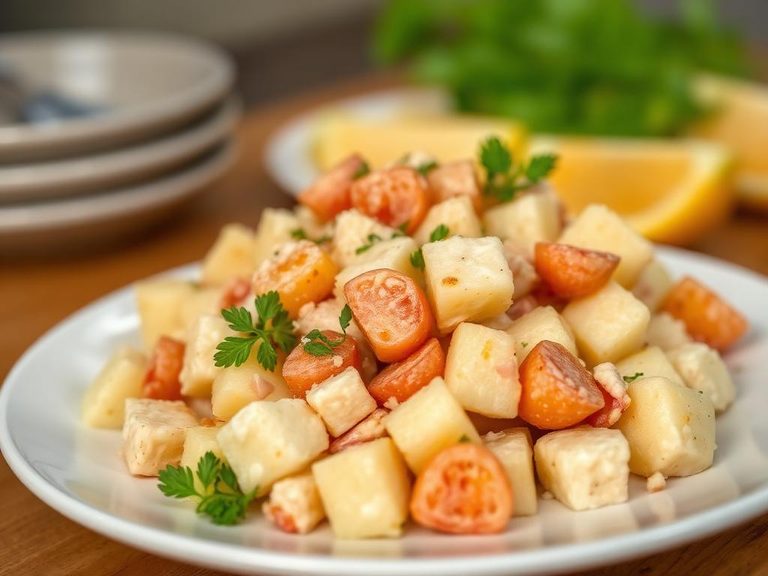
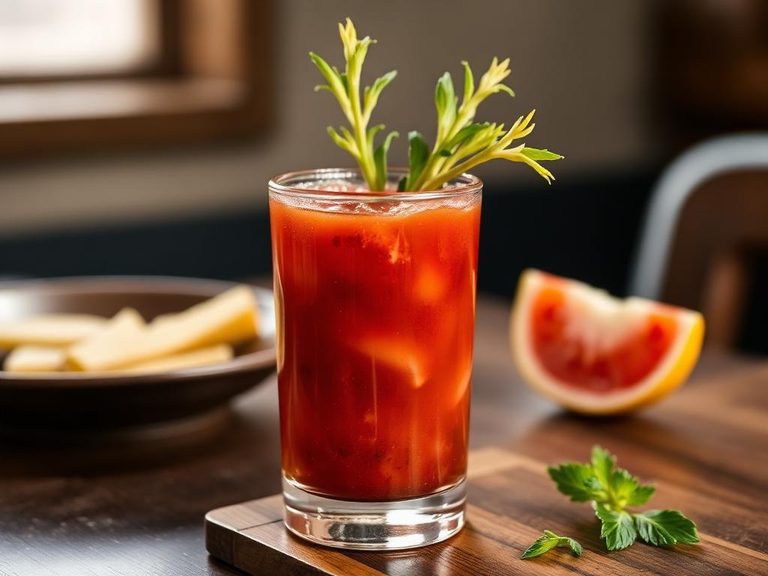
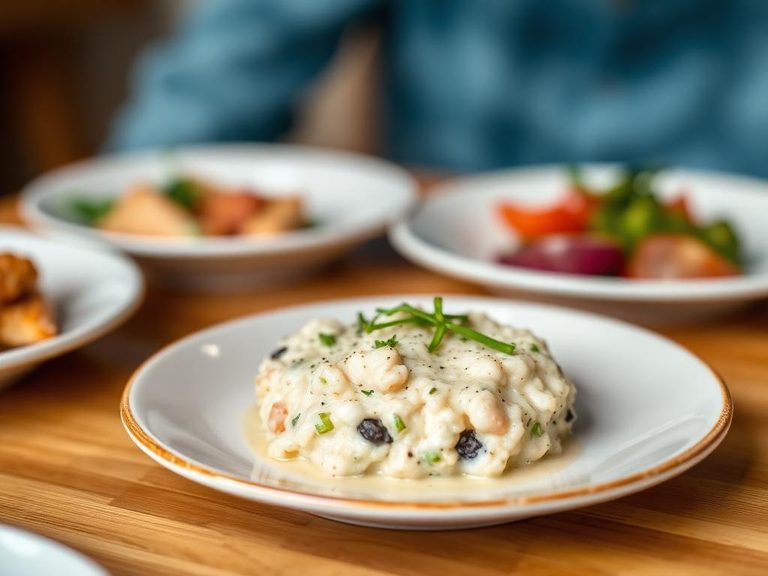
🌍 Where it's eaten
💡 Did you know?
The phrase 'cool as a cucumber' comes from the cucumber's ability to lower the temperature of the blood around the skin, a folk belief referenced as early as the 1730s.
Full nutrition (scales with serving)
| Water | 94.7 g |
| Energy (Atwater General Factors) | 14.0 kcal |
| Energy (Atwater Specific Factors) | 12.0 kcal |
| Energy | 12.0 kcal |
| Energy | 50.0 kj |
| Nitrogen | 0.08 g |
| Protein | 0.48 g |
| Total lipid (fat) | 0.43 g |
| Ash | 2.4 g |
| Carbohydrate, by difference | 2.0 g |
| Fiber, total dietary | 1.0 g |
| Sugars, Total | 1.3 g |
| Sucrose | 0.00 g |
| Glucose | 0.63 g |
| Fructose | 0.65 g |
| Lactose | 0.00 g |
| Maltose | 0.00 g |
| Galactose | 0.00 g |
| Calcium, Ca | 54.0 mg |
| Iron, Fe | 0.23 mg |
| Magnesium, Mg | 7.1 mg |
| Phosphorus, P | 16.0 mg |
| Potassium, K | 112 mg |
| Sodium, Na | 808 mg |
| Zinc, Zn | 0.11 mg |
| Copper, Cu | 0.03 mg |
| Manganese, Mn | 0.06 mg |
| Vitamin C, total ascorbic acid | 2.1 mg |
| Thiamin | 0.05 mg |
| Riboflavin | 0.06 mg |
| Niacin | 0.11 mg |
| Pantothenic acid | 0.20 mg |
| Vitamin B-6 | 0.03 mg |
| Folate, total | 8.0 ug |
| Vitamin A, RAE | 4.0 ug |
| Carotene, beta | 45.0 ug |
| Carotene, alpha | 0.00 ug |
| Cryptoxanthin, beta | 1.0 ug |
| Lycopene | 0.00 ug |
| Lutein + zeaxanthin | 199 ug |
| Vitamin E (alpha-tocopherol) | 0.12 mg |
| Tocopherol, beta | 0.00 mg |
| Tocopherol, gamma | 0.04 mg |
| Tocopherol, delta | 0.00 mg |
| Tocotrienol, alpha | 0.00 mg |
| Tocotrienol, beta | 0.00 mg |
| Tocotrienol, gamma | 0.00 mg |
| Tocotrienol, delta | 0.00 mg |
| Vitamin K (phylloquinone) | 16.8 ug |
| Vitamin K (Dihydrophylloquinone) | 0.00 ug |
| Vitamin K (Menaquinone-4) | 0.00 ug |
FAQ
Are dill pickles fermented or just vinegar-pickled?
It depends. Traditional kosher dill pickles are often naturally fermented in a salt brine, developing probiotics. Many commercial 'dill' pickles are simply cucumbers preserved in vinegar and salt, which does not create probiotics.
Why are they called 'kosher' dill pickles?
The term 'kosher' here refers to the preparation style, not necessarily that the pickles are certified kosher. It signifies a garlic-heavy, dill-seasoned brine, a method popularized by Jewish delis in New York.
Do pickles have any sugar?
Most dill pickles have 0g of sugar per serving, as the fermentation or vinegar brine process doesn't require added sugar. However, always check labels, as some 'bread & butter' or sweet pickle varieties do contain sugar.