

Mushroom, king oyster
Whole food · Vegetables and Vegetable Products

Photo: Wikipedia
The king oyster mushroom, also known as the king trumpet or eryngii, boasts a thick, meaty stem and a small cap, offering a firm, chewy texture and a mild, savory flavor reminiscent of scallops or abalone. Nutritionally, it's a standout for its high fiber content and low calorie count, making it a satisfying, gut-friendly addition to meals.
Calorie split: 21% protein · 73% carbs · 6% fat
↓ Full nutrition💚 Why it's loved
People love it for its incredible versatility and unique texture that holds up beautifully to high-heat cooking like grilling or searing, developing a wonderfully savory, umami-rich flavor. It's a favorite in many cuisines for its ability to mimic the satisfying bite of meat or seafood in vegetarian dishes.
⚠️ Watch-outs & how to enjoy it better
While nutritious, its high fiber content can cause digestive discomfort (bloating or gas) for some individuals if consumed in large quantities, especially if not accustomed to a high-fiber diet. To counteract this, start with smaller portions, ensure thorough chewing, and consider cooking it well to improve digestibility.
Key benefits
- Excellent source of dietary fiber (3g per 100g)
- Very low in calories (46 kcal per 100g)
- Good plant-based protein source (2.4g per 100g)
- Contains B vitamins like riboflavin and niacin
- Provides minerals such as potassium and copper
🍽️ Popular dishes
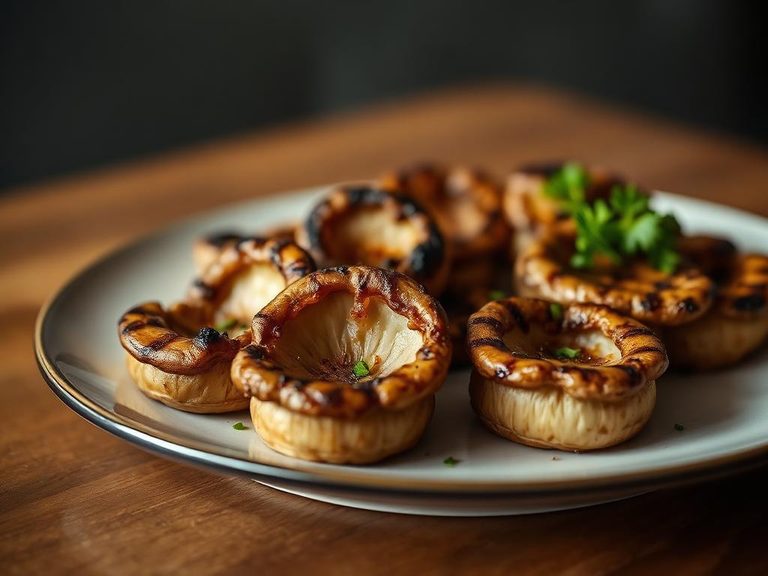
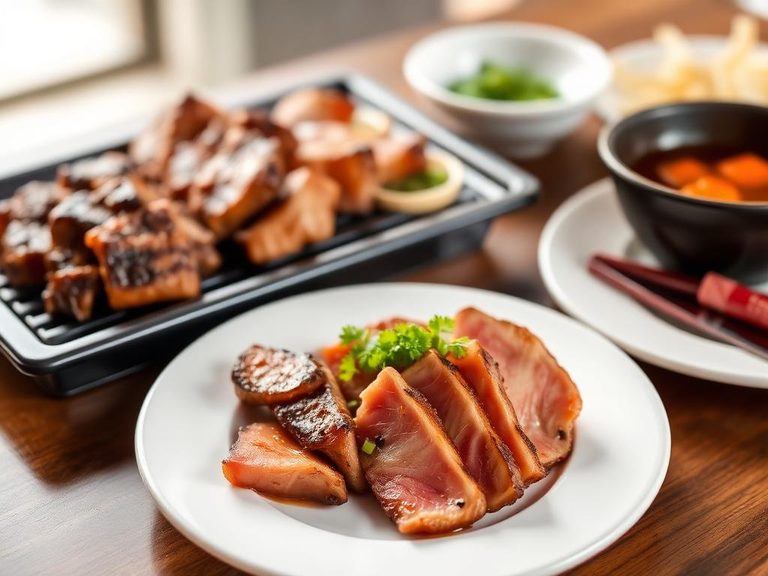
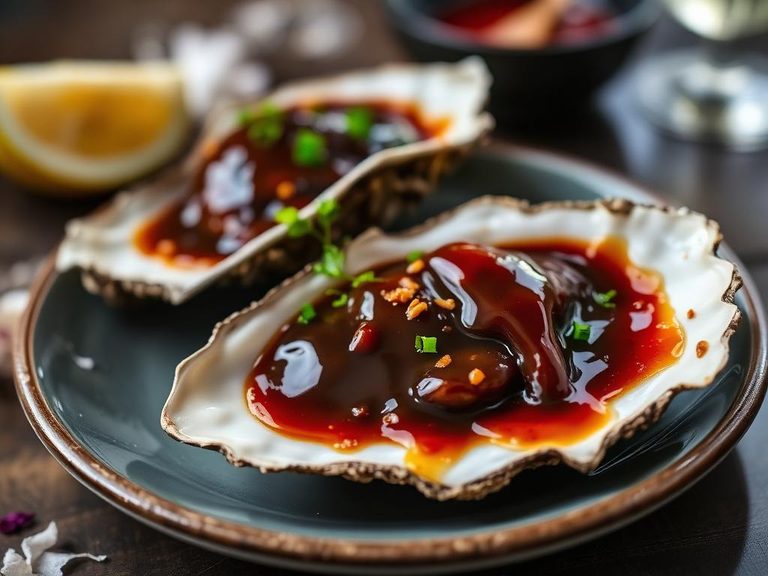
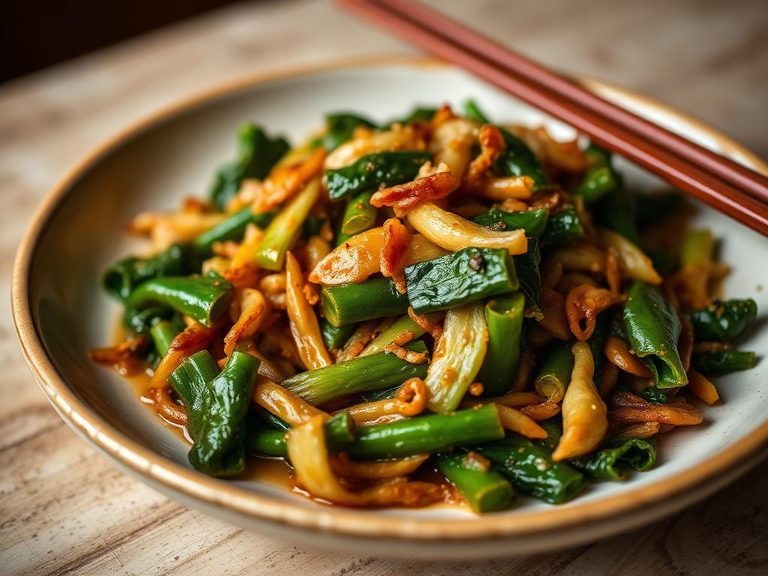
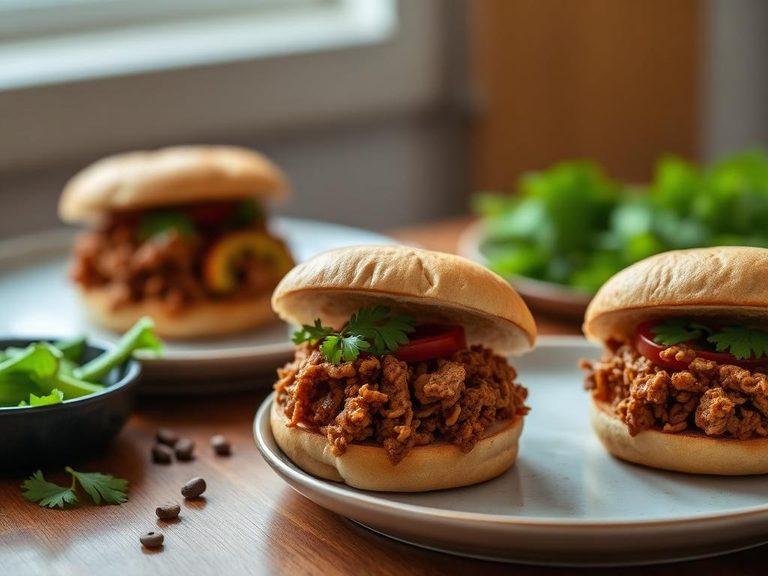
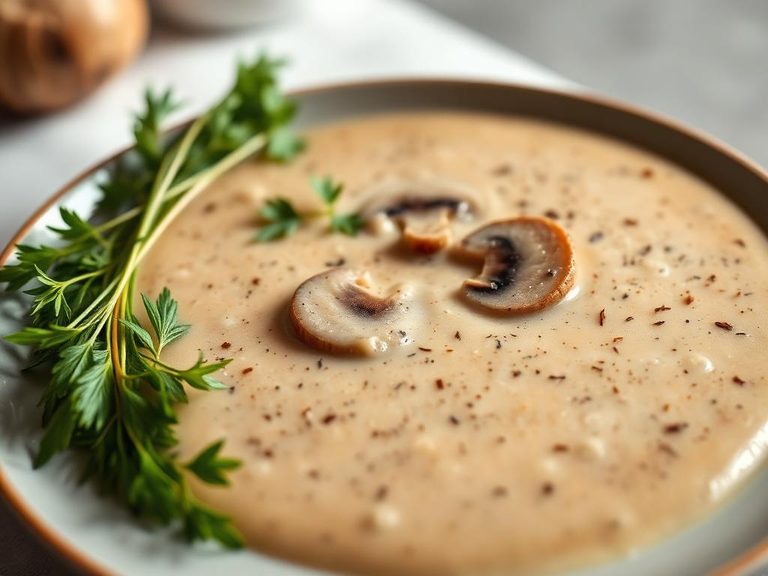
🌍 Where it's eaten
💡 Did you know?
The thick, white stem of the king oyster mushroom is the most prized part for cooking, often sliced into rounds and seared to create a 'scallop' with a surprisingly similar texture and caramelized crust.
Full nutrition (USDA data · scales with serving)
| Water | 88.1 g |
| Energy (Atwater General Factors) | 46.4 kcal |
| Energy (Atwater Specific Factors) | 38.5 kcal |
| Nitrogen | 0.39 g |
| Protein | 2.4 g |
| Total lipid (fat) | 0.31 g |
| Ash | 0.66 g |
| Carbohydrate, by difference | 8.5 g |
| Fiber, total dietary | 3.0 g |
| Beta-glucan | 1.9 g |
| Calcium, Ca | 0.00 mg |
| Iron, Fe | 0.34 mg |
| Magnesium, Mg | 13.5 mg |
| Phosphorus, P | 89.9 mg |
| Potassium, K | 295 mg |
| Sodium, Na | 0.77 mg |
| Zinc, Zn | 0.63 mg |
| Copper, Cu | 0.05 mg |
| Manganese, Mn | 0.09 mg |
| Selenium, Se | 1.2 ug |
| Thiamin | 0.01 mg |
| Riboflavin | 0.24 mg |
| Niacin | 6.5 mg |
| Vitamin B-6 | 0.12 mg |
| Biotin | 10.8 ug |
| Vitamin D (D2 + D3), International Units | 2.8 iu |
| Vitamin D (D2 + D3) | 0.07 ug |
| Vitamin D2 (ergocalciferol) | 0.07 ug |
| Vitamin D4 | 0.03 ug |
| Glutathione | 15.7 mg |
| Ergosta-7-enol | 1.1 mg |
| Ergosta-5,7-dienol | 4.6 mg |
| Ergosta-7,22-dienol | 0.80 mg |
| Delta-7-Stigmastenol | 0.00 mg |
| Ergothioneine | 23.6 mg |
Fat & fatty acid profile (per 100g)
| Stigmasterol | 0.00 mg |
| Campesterol | 0.00 mg |
| Beta-sitosterol | 0.00 mg |
| Ergosterol | 49.0 mg |
| Beta-sitostanol | 0.00 mg |
| Delta-5-avenasterol | 0.00 mg |
Amino acid profile (per 100g)
| Tryptophan | 0.32 g |
| Threonine | 0.85 g |
| Isoleucine | 0.76 g |
| Leucine | 1.2 g |
| Lysine | 1.2 g |
| Methionine | 0.30 g |
| Phenylalanine | 0.74 g |
| Valine | 1.3 g |
| Histidine | 0.41 g |
FAQ
How do I store king oyster mushrooms?
Store them in a paper bag in the refrigerator's crisper drawer. Avoid plastic bags, which can trap moisture and cause them to slim. They typically last for 5-7 days.
Do I need to clean them before cooking?
Yes. Wipe them with a damp paper towel or cloth to remove any dirt. Avoid soaking them in water, as they are like sponges and can become waterlogged, which hinders browning.
What's the best way to cook them to highlight their texture?
Dry-sautéing is excellent. Slice them, place in a hot, dry pan without oil, and let them release and evaporate their moisture. Once they start to brown, add oil, salt, and aromatics like garlic for a meaty, caramelized result.
Nutrient density (calculated · NRF9.3)
Nutrient Rich Foods index: beneficial nutrients (protein, fiber, vitamins, minerals) minus saturated fat, added sugar & sodium, per 100 kcal.
NRF9.3 index — Fulgoni, Keast & Drewnowski, 2009. Computed from USDA nutrients.
Weight-loss friendliness (composite index)
Energy density 0.46 kcal/g · 21% calories from protein · 3.0 g fiber · 0.0 g sugar per 100 g.
Composite of energy density (Rolls et al., 1999), protein & fiber satiety, minus sugar. A calculated heuristic — ranks satiety-per-calorie, not a clinical measure.
Dietary load (calculated from USDA values)
Potential renal acid load. Positive = acid-forming, negative = alkaline-forming.
Sodium-to-potassium ratio: 0.00 (lower is better — aim for ≤ 1)
Sodium:potassium per WHO potassium guidance. Computed from USDA nutrients.