

Mushroom, beech
Whole food · Vegetables and Vegetable Products

Photo: Wikipedia
The beech mushroom, also known as Buna-shimeji, is a small, delicate fungus with a crisp stem and a tender, slightly chewy cap. It has a mild, nutty flavor when raw that transforms into a savory, umami-rich taste with a pleasant, firm texture upon cooking. Nutritionally, it's a low-calorie, high-fiber food, making it an excellent choice for adding volume and nutrients without significant calories.
Calorie split: 22% protein · 68% carbs · 10% fat
↓ Full nutrition💚 Why it's loved
People love beech mushrooms for their unique, satisfying crunch and ability to absorb flavors like a sponge, making them versatile in stir-fries, soups, and pastas. Their visual appeal—growing in tight, attractive clusters—adds a gourmet touch to home cooking.
⚠️ Watch-outs & how to enjoy it better
Raw beech mushrooms have a slightly bitter taste and tough texture that some find unpalatable. They must be cooked to be enjoyable. Additionally, those with mushroom allergies should avoid them. To counteract any residual bitterness, a quick blanch or sauté in a bit of oil or butter before adding to the main dish is recommended.
Key benefits
- Excellent source of dietary fiber (3.1g per 100g)
- Very low in calories (40 kcal per 100g)
- Provides plant-based protein (2.2g per 100g)
- Naturally low in fat and contains no sugar
🍽️ Popular dishes
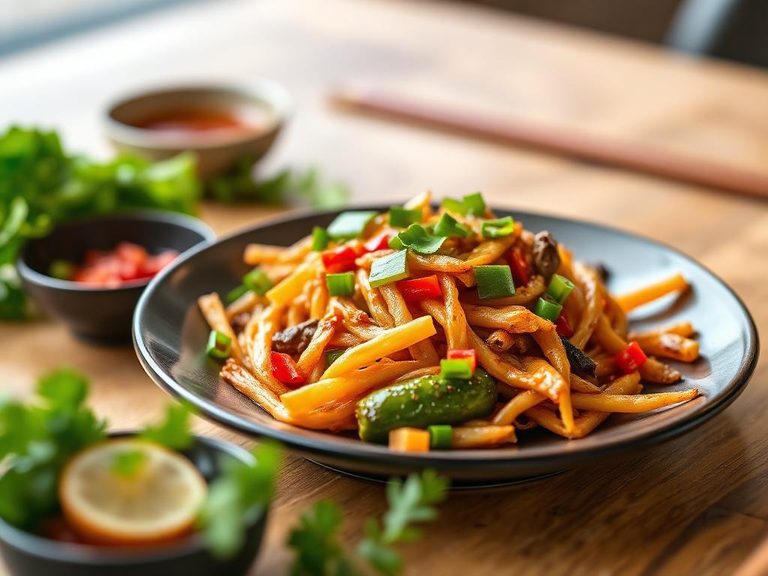

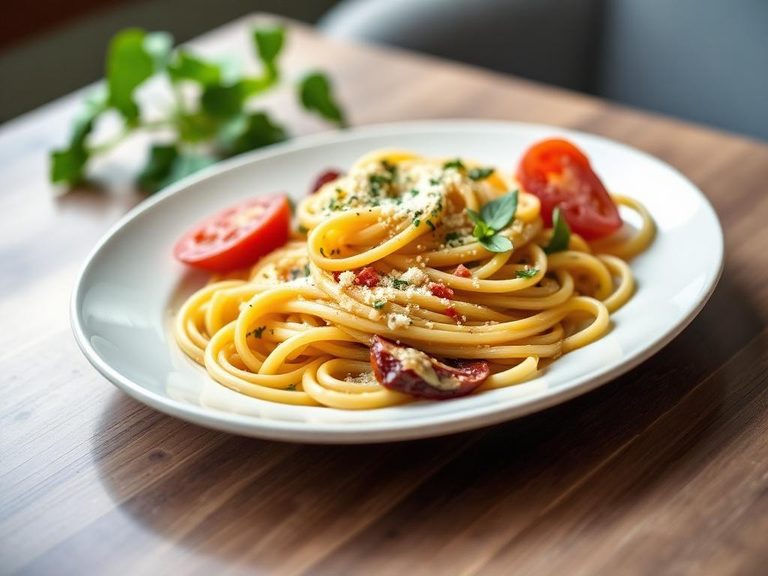
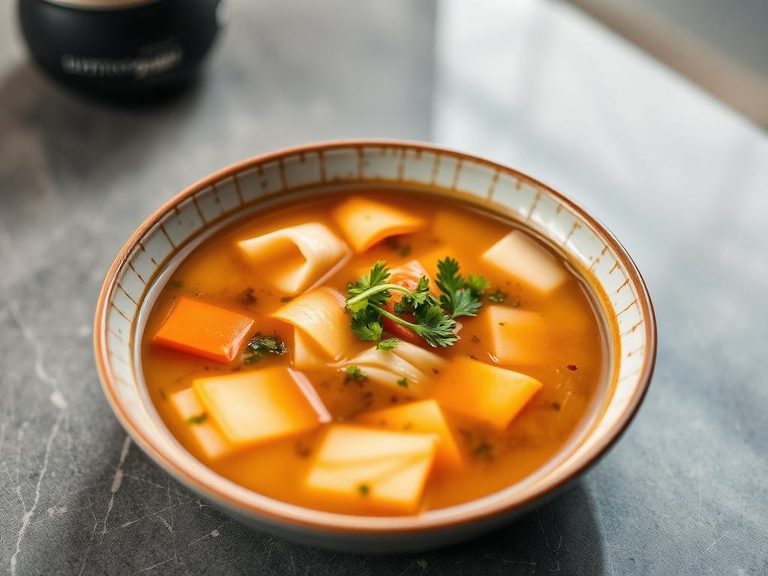

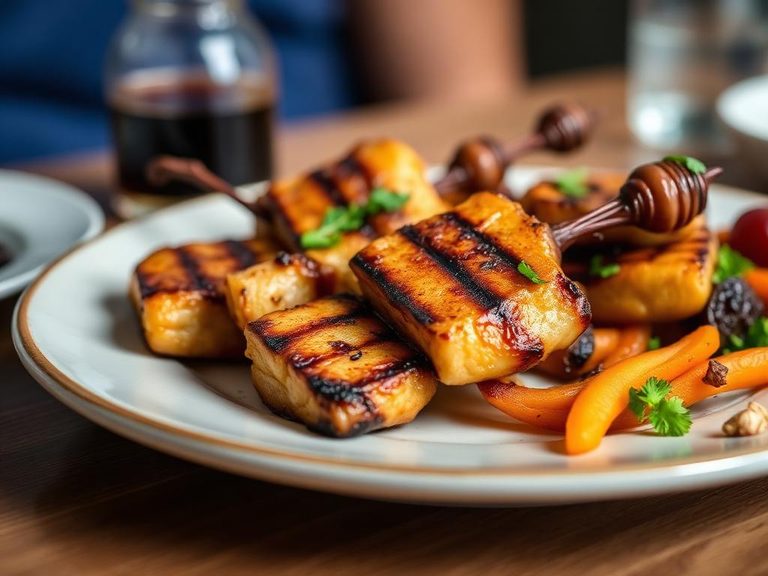
🌍 Where it's eaten
💡 Did you know?
In Japan, beech mushrooms are often sold still attached to their original sawdust growing medium in a plastic bag, allowing them to stay fresh for longer.
Full nutrition (USDA data · scales with serving)
| Water | 89.8 g |
| Energy (Atwater General Factors) | 39.8 kcal |
| Energy (Atwater Specific Factors) | 33.0 kcal |
| Nitrogen | 0.35 g |
| Protein | 2.2 g |
| Total lipid (fat) | 0.45 g |
| Ash | 0.76 g |
| Carbohydrate, by difference | 6.8 g |
| Fiber, total dietary | 3.1 g |
| Beta-glucan | 2.0 g |
| Calcium, Ca | 0.43 mg |
| Iron, Fe | 0.74 mg |
| Magnesium, Mg | 10.5 mg |
| Phosphorus, P | 85.9 mg |
| Potassium, K | 376 mg |
| Sodium, Na | 0.89 mg |
| Zinc, Zn | 0.50 mg |
| Copper, Cu | 0.07 mg |
| Manganese, Mn | 0.16 mg |
| Selenium, Se | 0.38 ug |
| Thiamin | 0.01 mg |
| Riboflavin | 0.21 mg |
| Niacin | 6.4 mg |
| Vitamin B-6 | 0.11 mg |
| Biotin | 8.1 ug |
| Vitamin D (D2 + D3), International Units | 14.8 iu |
| Vitamin D (D2 + D3) | 0.37 ug |
| Vitamin D2 (ergocalciferol) | 0.37 ug |
| Vitamin D4 | 0.14 ug |
| Glutathione | 9.8 mg |
| Ergosta-7-enol | 2.3 mg |
| Ergosta-5,7-dienol | 13.9 mg |
| Ergosta-7,22-dienol | 0.33 mg |
| Delta-7-Stigmastenol | 0.00 mg |
| Ergothioneine | 5.4 mg |
Fat & fatty acid profile (per 100g)
| Stigmasterol | 0.00 mg |
| Campesterol | 0.00 mg |
| Beta-sitosterol | 0.00 mg |
| Ergosterol | 54.7 mg |
| Beta-sitostanol | 0.00 mg |
| Delta-5-avenasterol | 0.00 mg |
Amino acid profile (per 100g)
| Tryptophan | 0.30 g |
| Threonine | 0.83 g |
| Isoleucine | 0.65 g |
| Leucine | 1.1 g |
| Lysine | 1.0 g |
| Methionine | 0.20 g |
| Phenylalanine | 0.67 g |
| Valine | 1.3 g |
| Histidine | 0.43 g |
FAQ
How do I prepare beech mushrooms?
Trim the base of the cluster to separate the mushrooms. Rinse quickly and pat dry. They can be sliced, halved, or cooked whole in clusters for presentation.
Can I eat beech mushrooms raw?
It's not recommended. They are tough and bitter when raw. Cooking for 5-7 minutes softens the texture and develops their savory, umami flavor.
What do they taste like?
Cooked beech mushrooms have a mild, nutty, and savory flavor with a firm, slightly chewy texture that holds up well in various dishes.
Nutrient density (calculated · NRF9.3)
Nutrient Rich Foods index: beneficial nutrients (protein, fiber, vitamins, minerals) minus saturated fat, added sugar & sodium, per 100 kcal.
NRF9.3 index — Fulgoni, Keast & Drewnowski, 2009. Computed from USDA nutrients.
Weight-loss friendliness (composite index)
Energy density 0.40 kcal/g · 22% calories from protein · 3.1 g fiber · 0.0 g sugar per 100 g.
Composite of energy density (Rolls et al., 1999), protein & fiber satiety, minus sugar. A calculated heuristic — ranks satiety-per-calorie, not a clinical measure.
Dietary load (calculated from USDA values)
Potential renal acid load. Positive = acid-forming, negative = alkaline-forming.
Sodium-to-potassium ratio: 0.00 (lower is better — aim for ≤ 1)
Sodium:potassium per WHO potassium guidance. Computed from USDA nutrients.