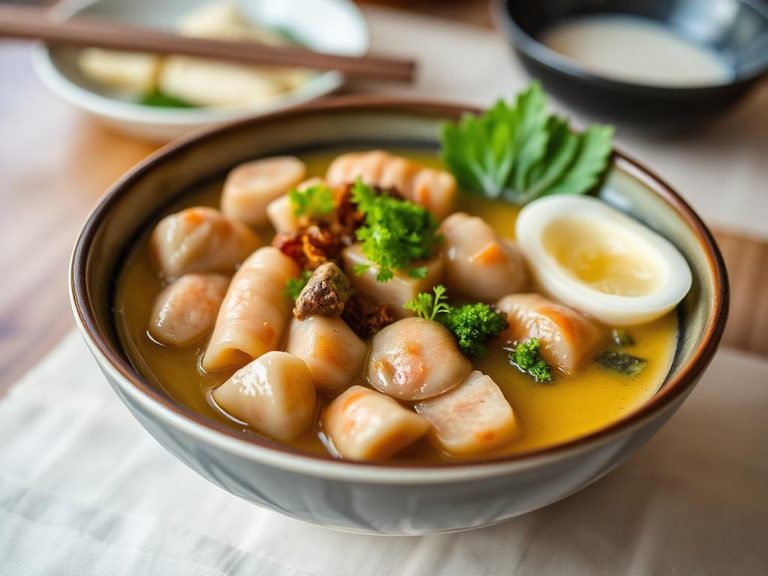
Hot Pot (Nabe)
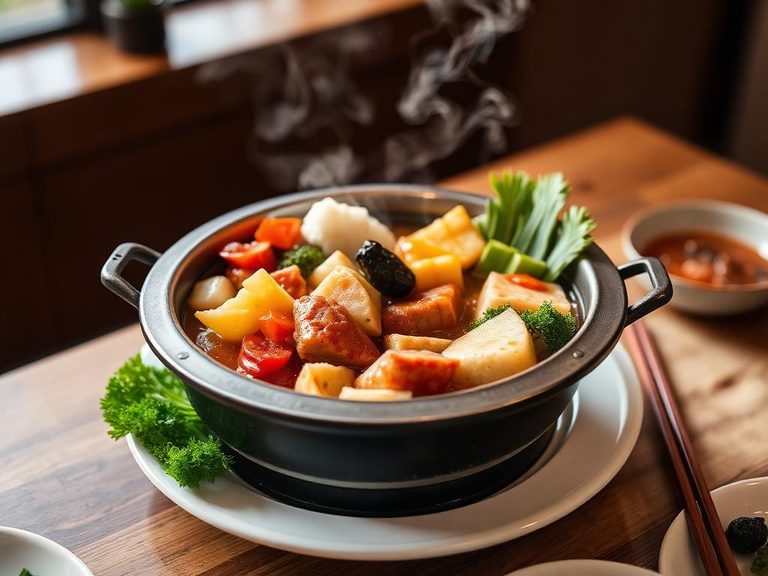
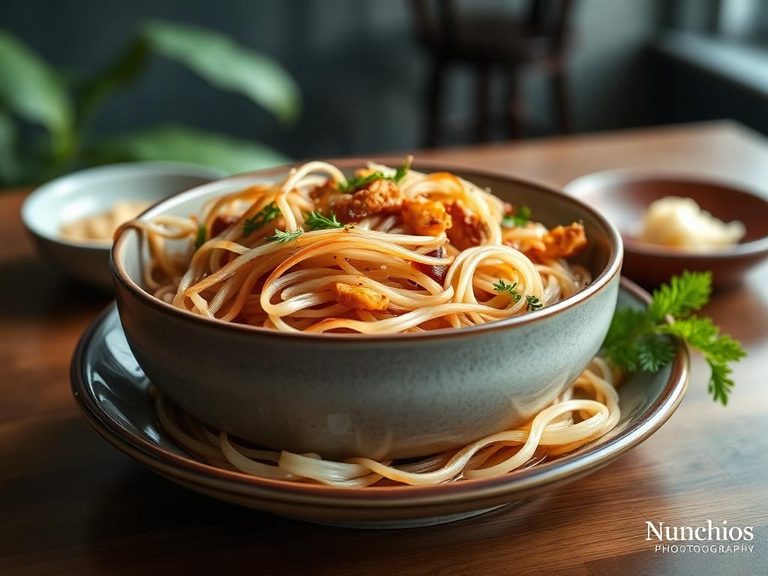
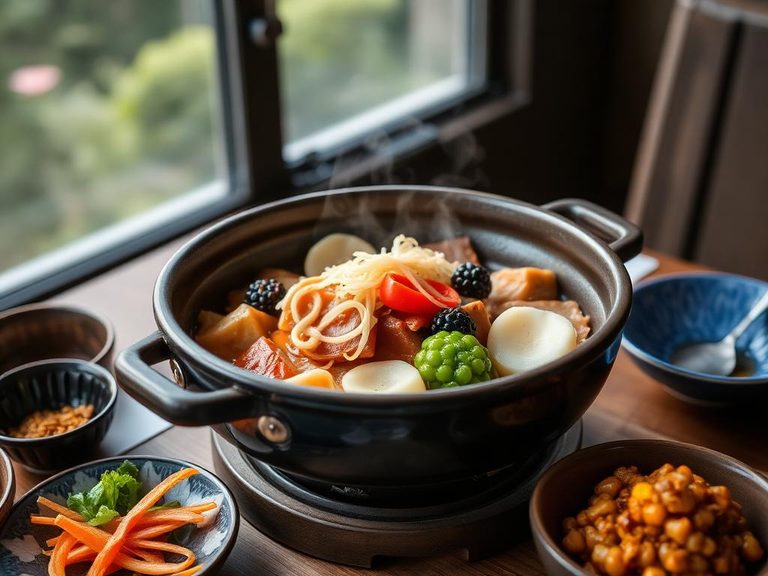
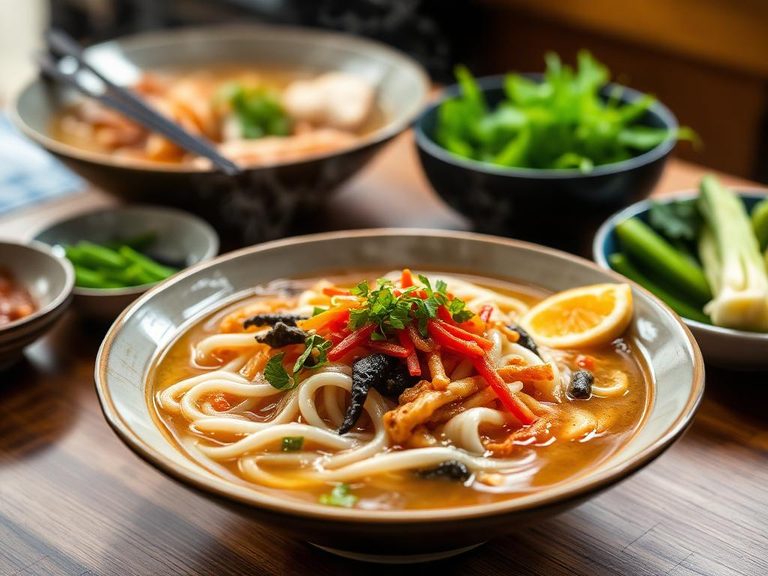
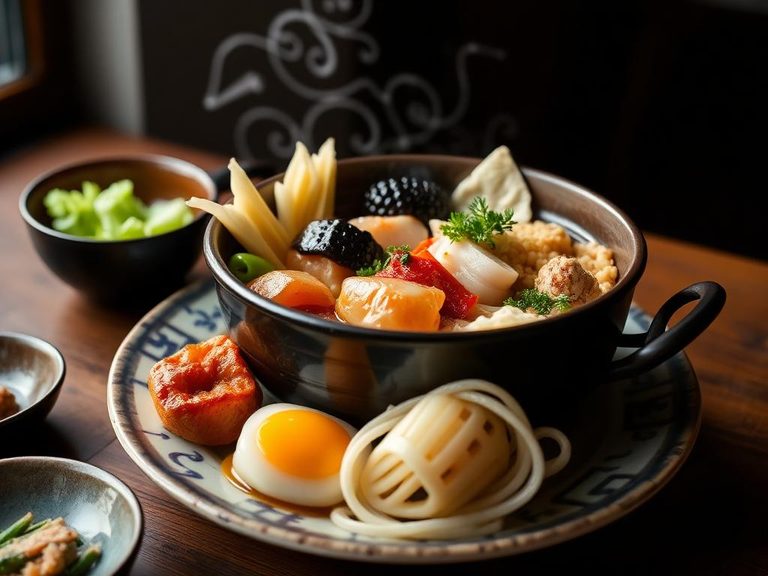
Hot Pot, known as 'Nabe' in Japan, is a communal, simmering pot of broth where diners cook a variety of fresh ingredients like thinly sliced meats, seafood, tofu, and vegetables at the table. It is a beloved winter comfort food originating from East Asia, with popular regional variations across China, Japan, and Korea. The experience is as much about the social gathering and interactive cooking as it is about the flavorful, brothy meal itself.
🍽️ Nutrition at a glance
Hot Pot can be a balanced meal, with its nutritional profile heavily influenced by the broth base and chosen ingredients. It is generally a good source of protein from the meats and tofu, with carbohydrates coming from noodles or starchy vegetables, and its calorie count can vary widely from 400 to 800+ kcal per serving depending on the broth richness and portion of meats.
Nutrition breakdown
| Calories | 550 kcal |
| Protein | 30 g |
| Carbs | 45 g |
| Fat | 25 g |
| Fiber | 5 g |
| Sugar | 3 g |
| Sodium | 1200 mg |
| Iron | 4.5 mg |
| Potassium | 650 mg |
| Vitamin A | 120 µg RAE |
| Vitamin C | 25 mg |
| Calcium | 150 mg |
| Phosphorus | 350 mg |
| Zinc | 4.0 mg |
| Selenium | 20 µg |
Per 1 typical serving (approx. 400 g) · estimated, varies by recipe
💡 What's interesting
The communal nature of Hot Pot is a cornerstone of its cultural significance, symbolizing unity and shared enjoyment. Nutritionally, the cooking method of simmering ingredients in broth can help retain vitamins and minerals better than frying, making it a potentially healthier communal dining option.