Japanese Nabe
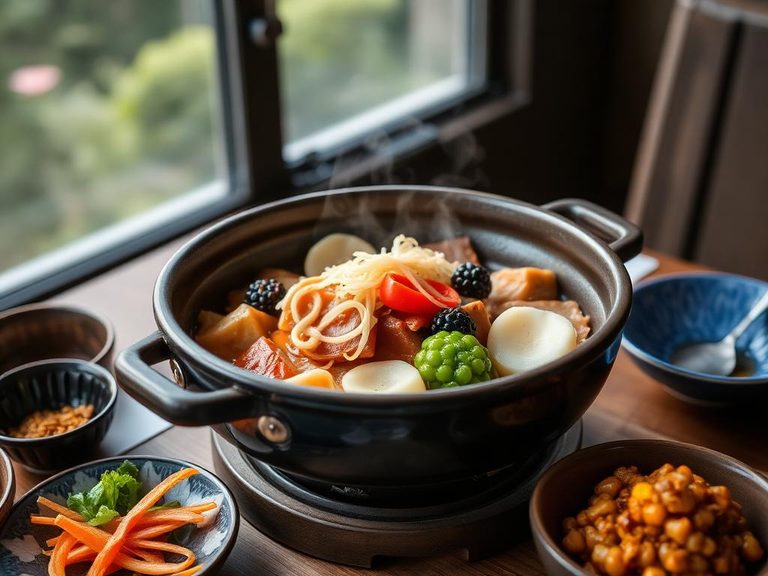
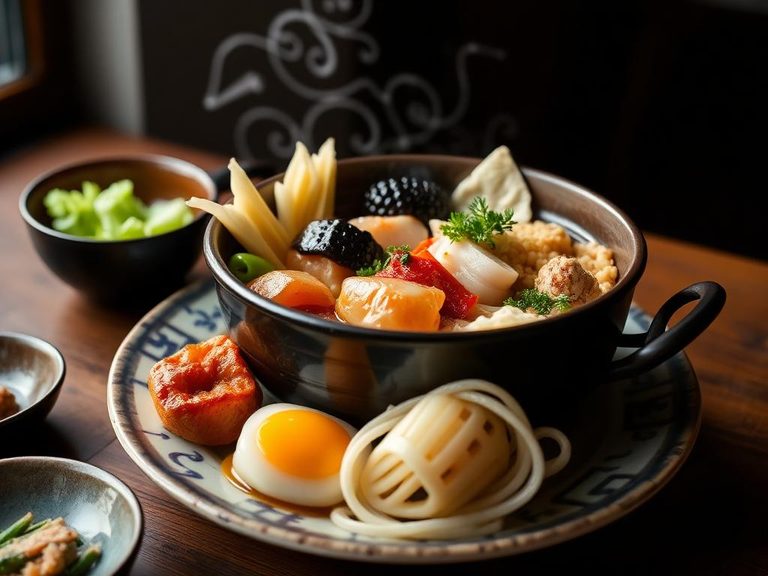
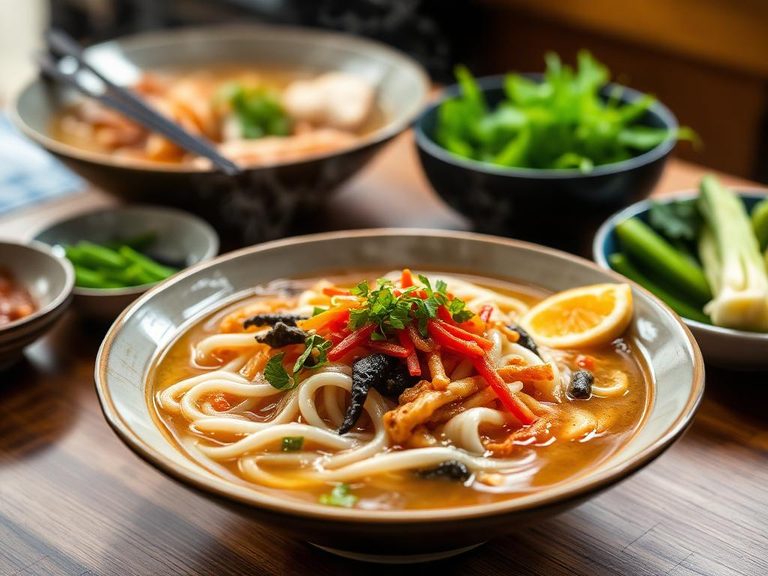
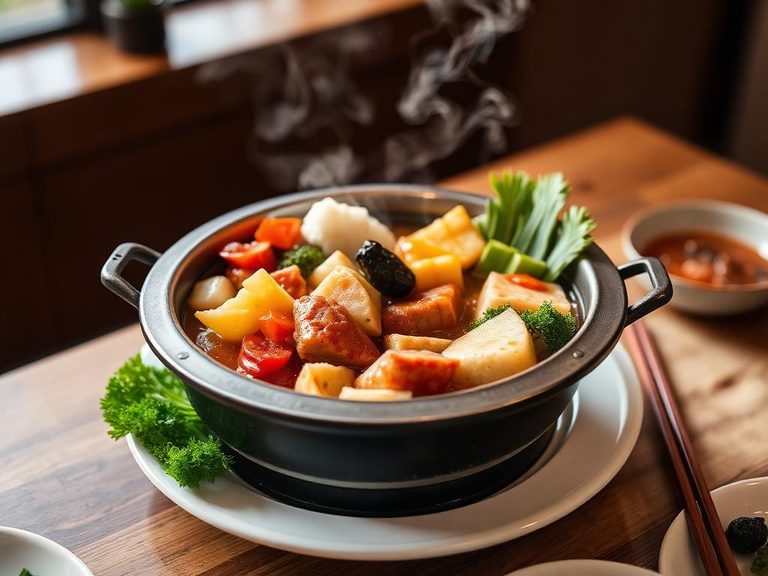
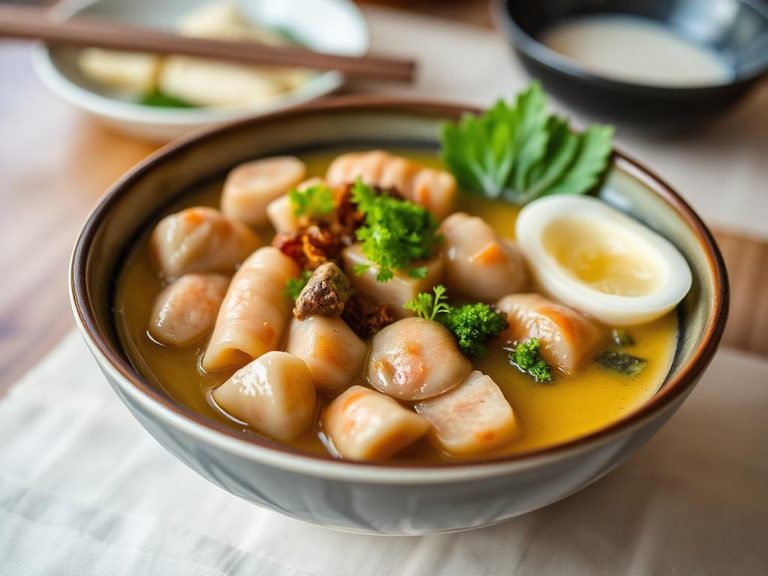
Japanese Nabe, or hot pot, is a communal dish where ingredients are simmered in a flavorful broth at the table. It typically includes a variety of proteins like chicken, pork, or seafood, alongside vegetables such as napa cabbage, mushrooms, and tofu, all cooked together in a large pot. Originating from Japan, it's a beloved winter comfort food that brings people together.
🍽️ Nutrition at a glance
Nabe is generally a balanced meal, offering a good mix of protein from the meats and tofu, healthy fats from the broth and ingredients, and complex carbs from vegetables and noodles if added. A typical serving can range from 300 to 500 calories, depending on the broth and ingredients used, and it provides essential vitamins, minerals, and fiber.
Nutrition breakdown
| Calories | 220 kcal |
| Protein | 18 g |
| Carbs | 15 g |
| Fat | 8 g |
| Fiber | 3 g |
| Sugar | 4 g |
| Sodium | 950 mg |
| Potassium | 450 mg |
| Vitamin A | 120 mcg |
| Vitamin C | 15 mg |
| Calcium | 80 mg |
| Iron | 2.5 mg |
| Vitamin B12 | 3.2 mcg |
| Zinc | 3.5 mg |
| Phosphorus | 250 mg |
Per 1 bowl (300 g) · estimated, varies by recipe
💡 What's interesting
Culturally, Nabe is deeply tied to the Japanese concept of 'nabemono' (one-pot cooking), emphasizing sharing and togetherness during colder months. Nutritionally, it's unique because the cooking method helps retain nutrients in the broth, creating a flavorful and nourishing meal that's both comforting and wholesome.