

Cranberry, low bush or lingenberry, raw (Alaska Native)
Whole food · American Indian/Alaska Native Foods

Photo: Wikipedia
The low-bush cranberry, or lingenberry, is a tiny, wild Arctic fruit harvested from the tundra. It has a deep red skin and a firm, tart, almost wine-like flavor with a subtle earthy sweetness. Nutritionally, it's a low-calorie, low-sugar berry that provides a burst of vitamin C and unique plant compounds.
Calorie split: 3% protein · 89% carbs · 8% fat
↓ Full nutrition💚 Why it's loved
People cherish it for its intense, complex tartness that is less sweet than the common cranberry, making it a prized ingredient for authentic, wild-harvested flavor. Its cultural significance in Alaska Native cuisine adds a layer of heritage and connection to the land.
⚠️ Watch-outs & how to enjoy it better
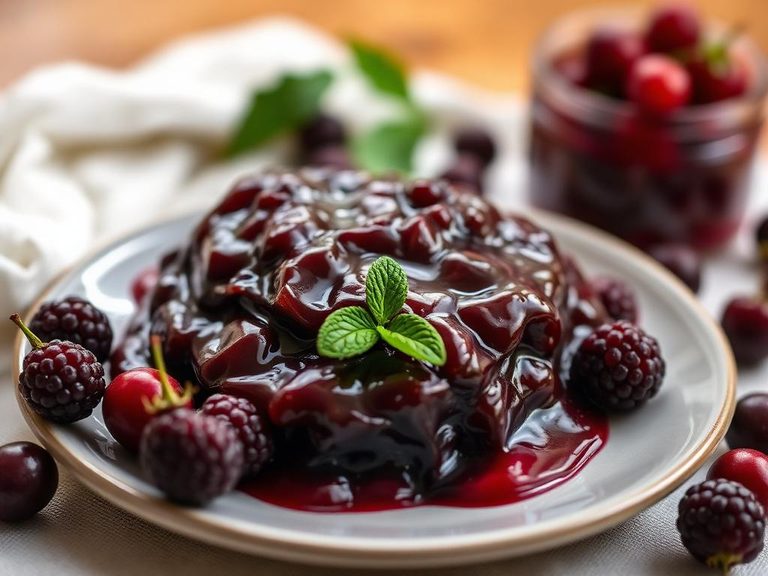
Its sharp tartness can be overpowering if eaten raw, and it may cause digestive discomfort in some individuals due to its acidity. To enjoy it, pair it with a fat or protein like nuts or yogurt to balance the flavor, or cook it into a sauce or jam to mellow its bite.
Key benefits
- Rich in antioxidants like proanthocyanidins
- Very low in calories and naturally sugar-free
- Source of vitamin C and manganese
- Traditional food for Alaskan Native communities
- Contains unique phytonutrients linked to plant defense
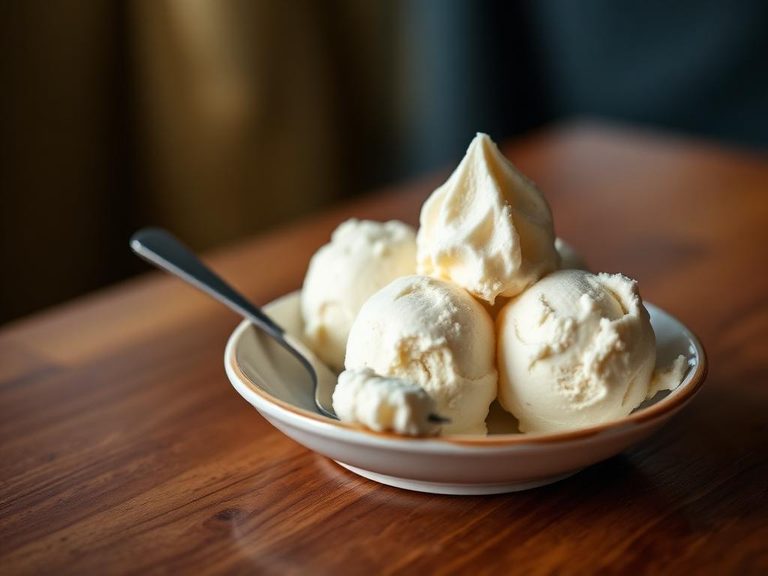
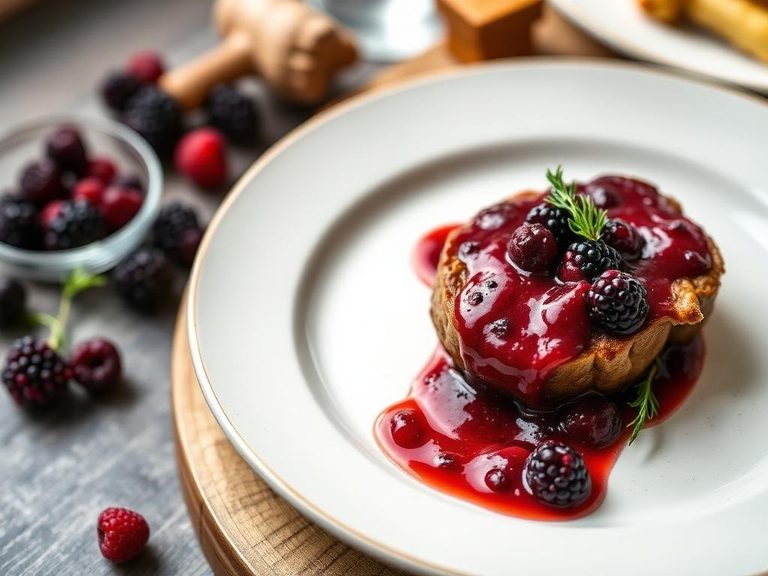
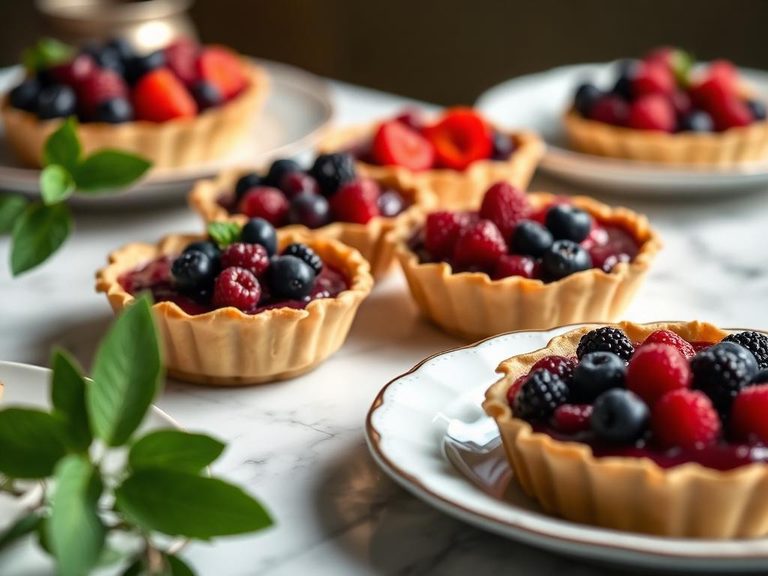
🍽️ Popular dishes
🌍 Where it's eaten
💡 Did you know?
Unlike the common cranberry, the low-bush lingenberry grows directly on the ground in vast, low-lying mats across the Arctic tundra, not on vines in bogs.
Full nutrition (USDA data · scales with serving)
| Water | 86.7 g |
| Energy | 55.0 kcal |
| Energy | 230 kj |
| Protein | 0.40 g |
| Total lipid (fat) | 0.50 g |
| Ash | 0.20 g |
| Carbohydrate, by difference | 12.2 g |
| Calcium, Ca | 26.0 mg |
| Iron, Fe | 0.40 mg |
| Phosphorus, P | 21.0 mg |
| Vitamin C, total ascorbic acid | 21.0 mg |
| Thiamin | 0.02 mg |
| Riboflavin | 0.08 mg |
| Niacin | 0.40 mg |
| Vitamin A, IU | 90.0 iu |
Fat & fatty acid profile (per 100g)
Estimated from Beans, cranberry (roman), mature seeds, cooked, boiled, with salt — USDA does not publish this profile for Cranberry.
| Fatty acids, total saturated | 0.12 g |
| SFA 14:0 | 0.00 g |
| SFA 16:0 | 0.11 g |
| SFA 18:0 | 0.01 g |
| Fatty acids, total monounsaturated | 0.04 g |
| MUFA 18:1 | 0.04 g |
| Fatty acids, total polyunsaturated | 0.20 g |
| PUFA 18:2 | 0.11 g |
| PUFA 18:3 | 0.09 g |
| Fatty acids, total trans | 0.00 g |
| Cholesterol | 0.00 mg |
Amino acid profile (per 100g)
Estimated from Beans, cranberry (roman), mature seeds, cooked, boiled, with salt — USDA does not publish this profile for Cranberry.
| Tryptophan | 0.11 g |
| Threonine | 0.39 g |
| Isoleucine | 0.41 g |
| Leucine | 0.75 g |
| Lysine | 0.64 g |
| Methionine | 0.14 g |
| Cystine | 0.10 g |
| Phenylalanine | 0.51 g |
| Tyrosine | 0.26 g |
| Valine | 0.49 g |
| Arginine | 0.58 g |
| Histidine | 0.26 g |
| Alanine | 0.39 g |
| Aspartic acid | 1.1 g |
| Glutamic acid | 1.4 g |
| Glycine | 0.36 g |
| Proline | 0.40 g |
| Serine | 0.51 g |
FAQ
How does lingenberry differ from a regular cranberry?
Lingenberries (Vaccinium vitis-idaea) are smaller, grow wild on tundra, and have a more complex, wine-like tartness with less bitterness than the common cranberry (Vaccinium macrocarpon) grown in bogs.
Can I eat lingenberries raw?
Yes, but their intense tartness is best balanced by pairing with fats or proteins, or by cooking them into sauces, jams, or baked goods to mellow the flavor.
Where can I find lingenberries?
They are primarily a wild-harvested food in Alaska and Arctic regions. You may find them frozen, dried, or in specialty preserves at stores focusing on Alaskan or Nordic products.
Weight-loss friendliness (composite index)
Energy density 0.55 kcal/g · 3% calories from protein · 0.0 g fiber · 0.0 g sugar per 100 g.
Composite of energy density (Rolls et al., 1999), protein & fiber satiety, minus sugar. A calculated heuristic — ranks satiety-per-calorie, not a clinical measure.