

Candies, SPECIAL DARK Chocolate Bar
Whole food · Sweets

Photo: Wikipedia
This is a rich, dark chocolate bar known for its deep, bittersweet cocoa flavor and satisfying snap. It delivers a potent hit of antioxidants from its high cacao content, though it remains a calorie-dense treat packed with sugar and fat.
Calorie split: 4% protein · 44% carbs · 52% fat
↓ Full nutrition💚 Why it's loved
People adore its intense, complex chocolate flavor that balances bitterness with sweetness, making it a sophisticated standalone snack or a versatile baking ingredient.
⚠️ Watch-outs & how to enjoy it better
Its high sugar and fat content can cause blood-sugar spikes and contribute to weight gain if overconsumed. To counteract, pair a small piece with a handful of nuts for protein and fat to slow sugar absorption, or opt for a square as a dessert after a fiber-rich meal.
Key benefits
- Rich in flavonoid antioxidants from cocoa
- Provides a quick source of energy
- Contains dietary fiber for digestive health
- Offers small amounts of essential minerals like iron and magnesium
🍽️ Popular dishes

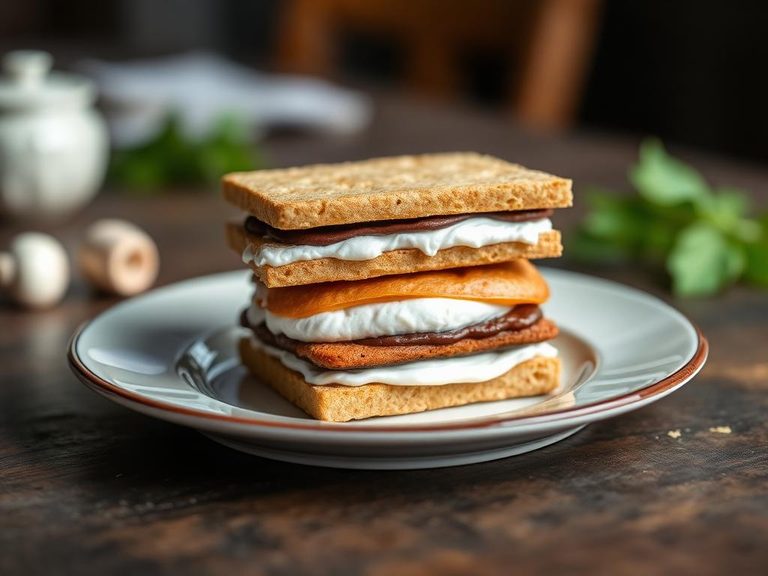

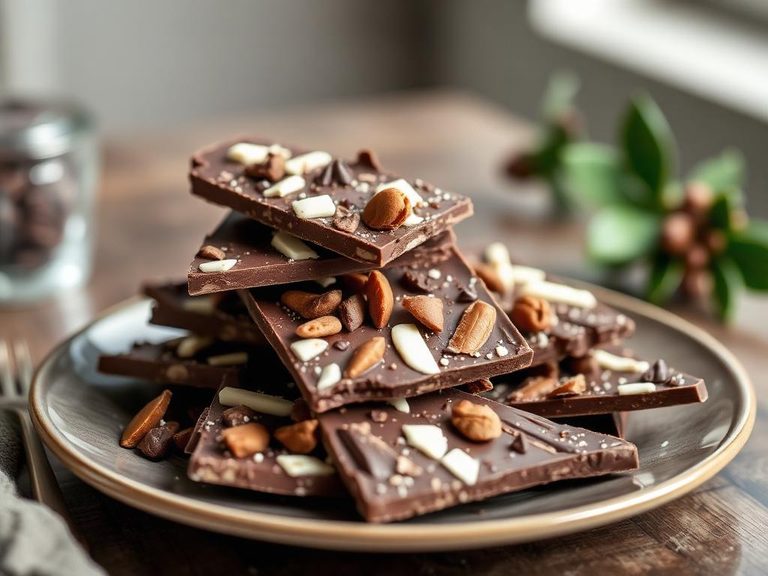
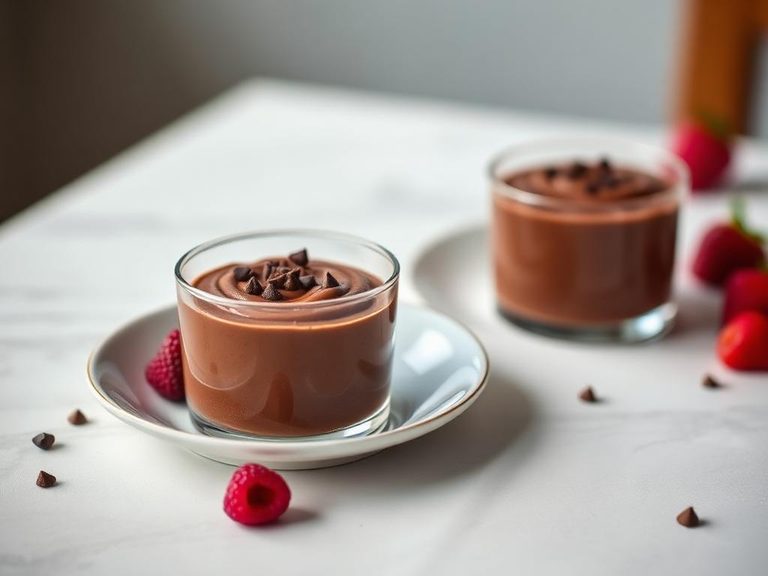
🌍 Where it's eaten
💡 Did you know?
The 'snap' sound when breaking a good dark chocolate bar is a quality indicator, caused by the stable crystalline structure of properly tempered cocoa butter.
Full nutrition (USDA data · scales with serving)
| Water | 0.90 g |
| Energy | 556 kcal |
| Energy | 2325 kj |
| Protein | 5.5 g |
| Total lipid (fat) | 32.4 g |
| Ash | 0.67 g |
| Carbohydrate, by difference | 60.5 g |
| Fiber, total dietary | 6.5 g |
| Total Sugars | 47.6 g |
| Calcium, Ca | 30.0 mg |
| Iron, Fe | 2.1 mg |
| Magnesium, Mg | 31.0 mg |
| Phosphorus, P | 51.0 mg |
| Potassium, K | 502 mg |
| Sodium, Na | 6.0 mg |
| Zinc, Zn | 0.01 mg |
| Copper, Cu | 0.02 mg |
| Manganese, Mn | 0.00 mg |
| Selenium, Se | 0.30 ug |
| Vitamin C, total ascorbic acid | 0.00 mg |
| Thiamin | 0.00 mg |
| Riboflavin | 0.01 mg |
| Niacin | 0.00 mg |
| Pantothenic acid | 0.00 mg |
| Vitamin B-6 | 0.00 mg |
| Folate, total | 0.00 ug |
| Folate, food | 0.00 ug |
| Alcohol, ethyl | 0.00 g |
Fat & fatty acid profile (per 100g)
| Fatty acids, total monounsaturated | 5.1 g |
| Fatty acids, total polyunsaturated | 0.44 g |
| Cholesterol | 5.0 mg |
Amino acid profile (per 100g)
Estimated from Candies, honey-combed, with peanut butter — USDA does not publish this profile for Candies.
| Tryptophan | 0.09 g |
| Threonine | 0.21 g |
| Isoleucine | 0.24 g |
| Leucine | 0.61 g |
| Lysine | 0.27 g |
| Methionine | 0.10 g |
| Cystine | 0.09 g |
| Phenylalanine | 0.47 g |
| Tyrosine | 0.33 g |
| Valine | 0.31 g |
| Arginine | 1.1 g |
| Histidine | 0.22 g |
| Alanine | 0.36 g |
| Aspartic acid | 1.2 g |
| Glutamic acid | 2.0 g |
| Glycine | 0.56 g |
| Proline | 0.55 g |
| Serine | 0.58 g |
FAQ
Is SPECIAL DARK chocolate healthier than milk chocolate?
Generally, yes. It typically has a higher cocoa content, meaning more antioxidants and less sugar per gram than milk chocolate, but it is still high in calories and fat.
Can I use this for baking?
Absolutely. Its strong flavor holds up well in brownies, cookies, and cakes, adding a deep, rich chocolate taste.
Why does it sometimes have a white coating?
That's called 'bloom,' a harmless cosmetic change where cocoa butter or sugar rises to the surface due to temperature fluctuations. It's safe to eat but may affect texture.
Nutrient density (calculated · NRF9.3)
Nutrient Rich Foods index: beneficial nutrients (protein, fiber, vitamins, minerals) minus saturated fat, added sugar & sodium, per 100 kcal.
NRF9.3 index — Fulgoni, Keast & Drewnowski, 2009. Computed from USDA nutrients.
Weight-loss friendliness (composite index)
Energy density 5.56 kcal/g · 4% calories from protein · 6.5 g fiber · 47.6 g sugar per 100 g.
Composite of energy density (Rolls et al., 1999), protein & fiber satiety, minus sugar. A calculated heuristic — ranks satiety-per-calorie, not a clinical measure.
Dietary load (calculated from USDA values)
Potential renal acid load. Positive = acid-forming, negative = alkaline-forming.
Sodium-to-potassium ratio: 0.01 (lower is better — aim for ≤ 1)
Sodium:potassium per WHO potassium guidance. Computed from USDA nutrients.