

Yogurt, Greek, 2% fat, strawberry banana, CHOBANI
Whole food · Dairy and Egg Products

Photo: Wikipedia
Chobani's 2% fat Greek yogurt in strawberry banana is a thick, creamy, and protein-packed snack with a vibrant, sweet-tart fruit flavor. Its strained texture is notably dense and velvety, offering a satisfying mouthfeel that holds up well to mix-ins. With 8g of protein per 100g, it's a nutritionally robust choice for a quick energy boost.
Calorie split: 36% protein · 46% carbs · 17% fat
↓ Full nutrition💚 Why it's loved
People adore it for the perfect balance of creamy Greek yogurt texture with the classic, nostalgic taste of strawberry and banana. It's a go-to for a quick, portable breakfast or post-workout snack that feels indulgent yet wholesome.
⚠️ Watch-outs & how to enjoy it better
Those monitoring blood sugar should be aware that the fruit puree adds natural sugars, which can cause a spike if consumed alone. To mitigate this, pair it with a handful of nuts or seeds to add fiber and healthy fats, slowing sugar absorption. It also contains dairy, a common allergen.
Key benefits
- High in satiating protein for muscle maintenance and fullness
- Contains probiotics for a healthy gut microbiome
- Good source of calcium for bone health
- Lower in sugar than many flavored yogurts
- Versatile base for both sweet and savory preparations
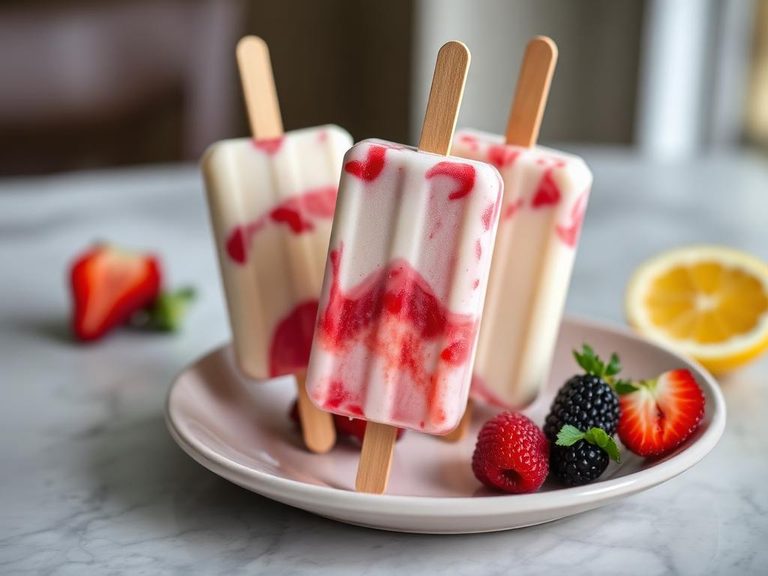
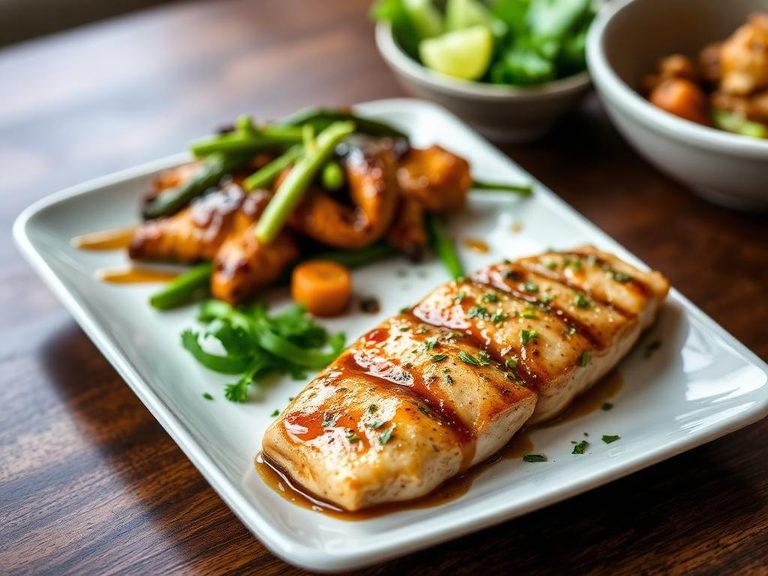
🍽️ Popular dishes
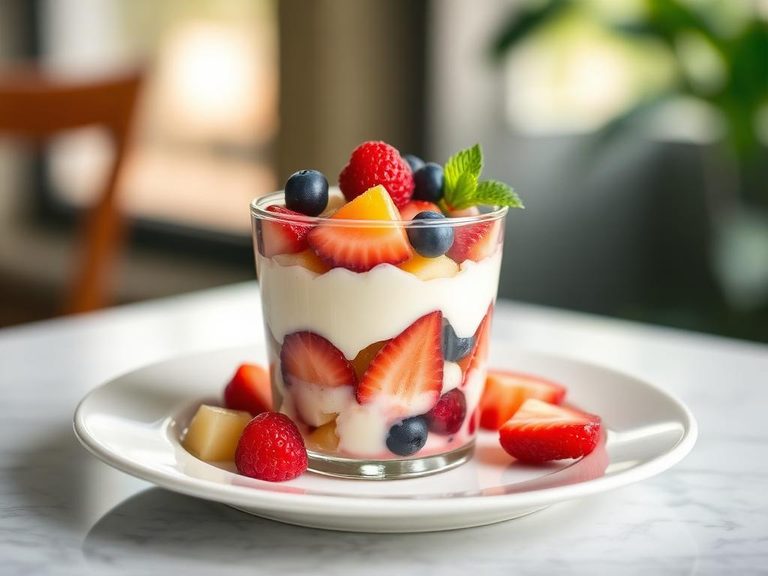
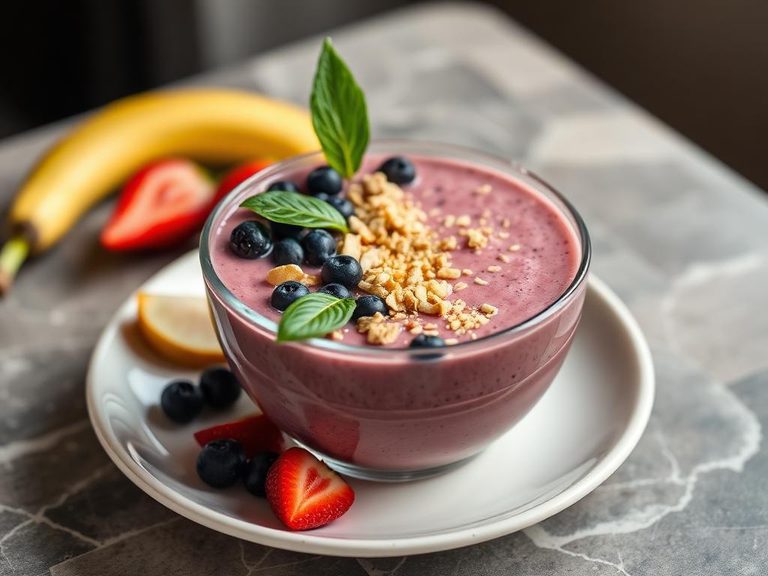
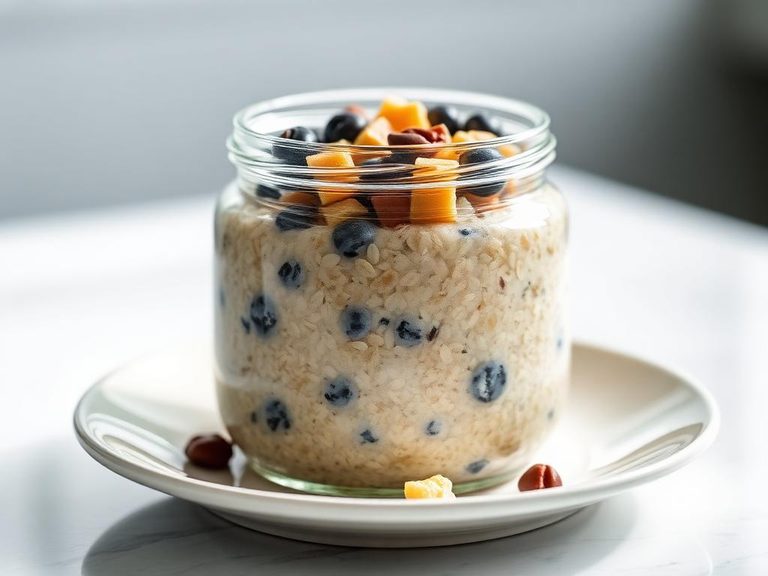
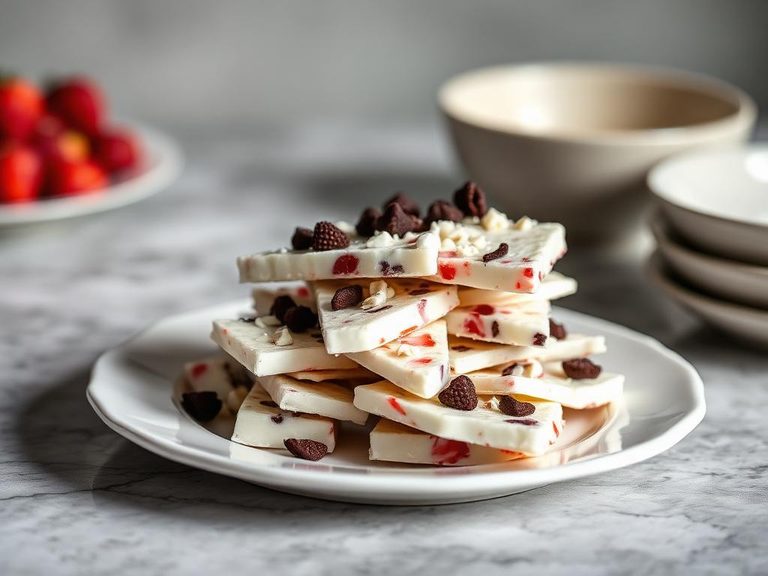
🌍 Where it's eaten
💡 Did you know?
Chobani's name is derived from the Albanian word 'çoban,' meaning shepherd, honoring the pastoral roots of yogurt-making.
Full nutrition (USDA data · scales with serving)
| Water | 79.5 g |
| Energy | 88.0 kcal |
| Energy | 369 kj |
| Protein | 8.0 g |
| Total lipid (fat) | 1.7 g |
| Ash | 0.64 g |
| Carbohydrate, by difference | 10.2 g |
| Fiber, total dietary | 0.70 g |
| Sucrose | 5.3 g |
| Glucose | 0.72 g |
| Fructose | 0.77 g |
| Lactose | 2.3 g |
| Maltose | 0.00 g |
| Calcium, Ca | 88.0 mg |
| Iron, Fe | 0.20 mg |
| Sodium, Na | 32.0 mg |
| Vitamin C, total ascorbic acid | 1.1 mg |
| Vitamin A, RAE | 15.0 ug |
| Retinol | 15.0 ug |
| Carotene, beta | 0.00 ug |
| Vitamin A, IU | 51.0 iu |
Fat & fatty acid profile (per 100g)
| Fatty acids, total saturated | 1.0 g |
| Fatty acids, total monounsaturated | 0.38 g |
| Fatty acids, total polyunsaturated | 0.07 g |
| Fatty acids, total trans | 0.07 g |
| Cholesterol | 9.0 mg |
Amino acid profile (per 100g)
| Tryptophan | 0.12 g |
| Threonine | 0.36 g |
| Isoleucine | 0.43 g |
| Leucine | 0.80 g |
| Lysine | 0.69 g |
| Methionine | 0.22 g |
| Cystine | 0.05 g |
| Phenylalanine | 0.40 g |
| Tyrosine | 0.40 g |
| Valine | 0.53 g |
| Arginine | 0.29 g |
| Histidine | 0.23 g |
| Alanine | 0.27 g |
| Aspartic acid | 0.64 g |
| Glutamic acid | 1.7 g |
| Glycine | 0.15 g |
| Proline | 0.81 g |
| Serine | 0.44 g |
FAQ
Is this yogurt good for post-workout recovery?
Yes, its high protein content (8g per 100g) makes it excellent for muscle repair. The natural carbohydrates from the fruit also help replenish energy stores.
How does the 2% fat content affect taste and texture?
It provides a creamier, richer mouthfeel than non-fat versions while being lighter than full-fat. The fat helps carry the strawberry and banana flavors more effectively.
Can I use this in baking?
Absolutely. It adds moisture, protein, and a subtle tang to muffins, pancakes, and cakes. Substitute it 1:1 for sour cream or buttermilk in many recipes.
Nutrient density (calculated · NRF9.3)
Nutrient Rich Foods index: beneficial nutrients (protein, fiber, vitamins, minerals) minus saturated fat, added sugar & sodium, per 100 kcal.
NRF9.3 index — Fulgoni, Keast & Drewnowski, 2009. Computed from USDA nutrients.
Weight-loss friendliness (composite index)
Energy density 0.88 kcal/g · 36% calories from protein · 0.7 g fiber · 0.0 g sugar per 100 g.
Composite of energy density (Rolls et al., 1999), protein & fiber satiety, minus sugar. A calculated heuristic — ranks satiety-per-calorie, not a clinical measure.