

Veal, variety meats and by-products, spleen, cooked, braised
Whole food · Lamb, Veal, and Game Products

Photo: Wikipedia
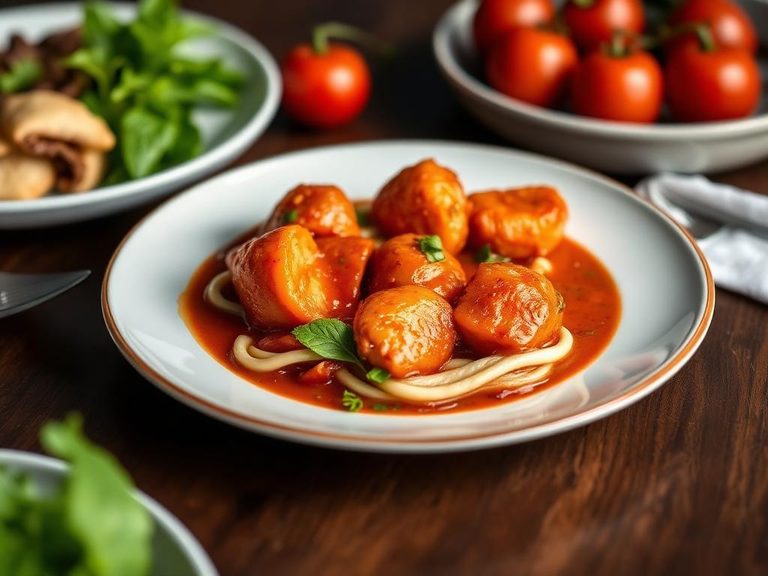
Braised veal spleen is a rich, iron-dense organ meat with a smooth, slightly grainy texture and a deep, savory flavor. It is exceptionally high in protein and virtually fat-free, making it a nutrient-dense choice. The cooking method tenderizes the meat, resulting in a melt-in-your-mouth consistency.
Calorie split: 79% protein · 0% carbs · 21% fat
↓ Full nutrition💚 Why it's loved
People love it for its unique, robust umami flavor and its ability to absorb rich braising liquids. It's also cherished in traditional cuisines as a nutrient-packed, economical cut of meat.
⚠️ Watch-outs & how to enjoy it better
The texture can be off-putting to some, described as overly soft or mushy if not cooked properly. Those with iron overload conditions (hemochromatosis) should be cautious due to its high iron content. To counteract, pair with calcium-rich foods like dairy or leafy greens to slightly inhibit iron absorption, and practice portion control.
Key benefits
- Exceptionally high in protein (24g per 100g) for muscle maintenance.
- Rich in heme iron, which is highly bioavailable for preventing anemia.
- Very low in fat (2.89g per 100g) and contains zero carbohydrates.
- Good source of B vitamins, particularly B12, for nerve function.
🍽️ Popular dishes
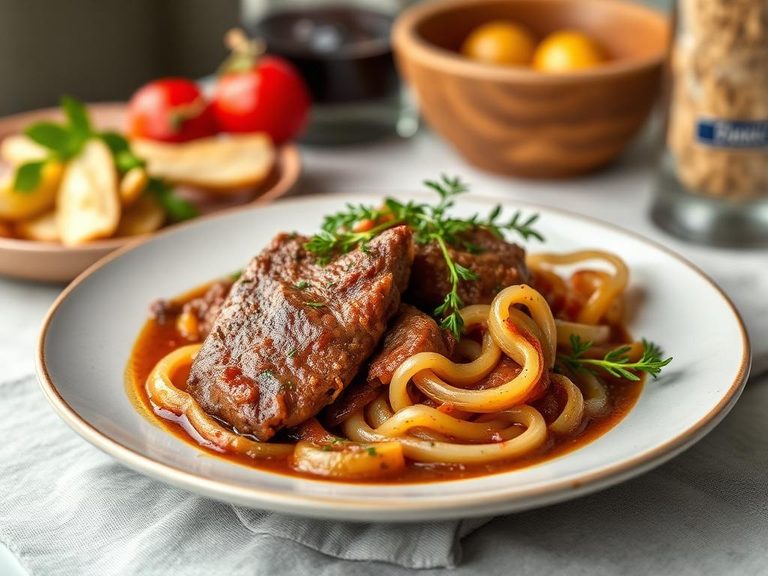
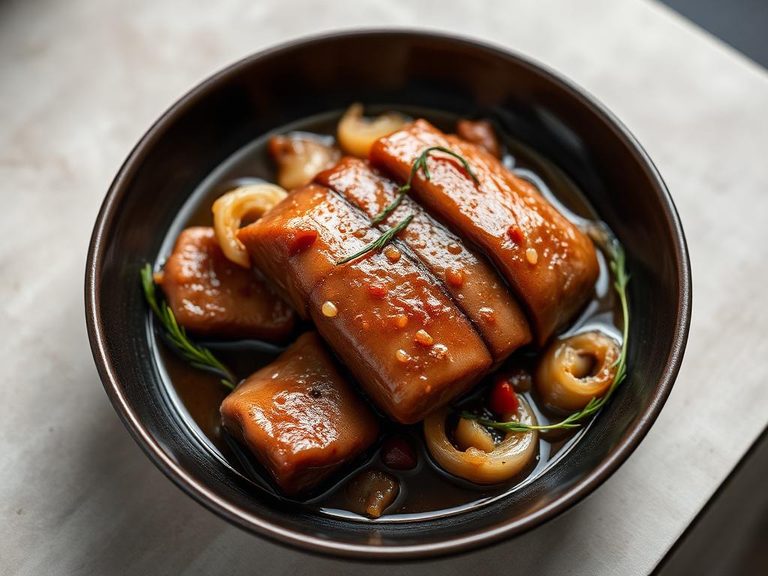
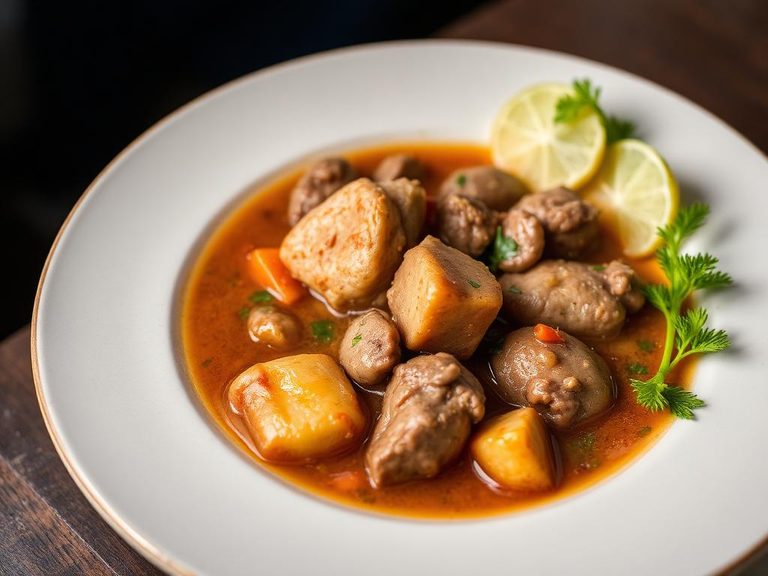
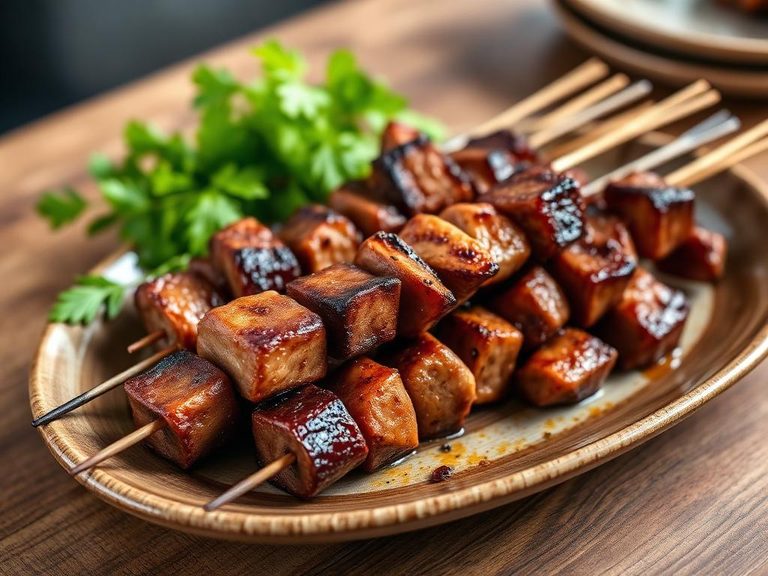
🌍 Where it's eaten
💡 Did you know?
Veal spleen is one of the most iron-rich foods in the human diet, containing more iron per serving than red meat or spinach.
Full nutrition (USDA data · scales with serving)
| Water | 71.3 g |
| Energy | 129 kcal |
| Energy | 540 kj |
| Protein | 24.1 g |
| Total lipid (fat) | 2.9 g |
| Ash | 1.7 g |
| Carbohydrate, by difference | 0.00 g |
| Fiber, total dietary | 0.00 g |
| Calcium, Ca | 7.0 mg |
| Iron, Fe | 7.4 mg |
| Magnesium, Mg | 14.0 mg |
| Phosphorus, P | 312 mg |
| Potassium, K | 215 mg |
| Sodium, Na | 58.0 mg |
| Zinc, Zn | 1.9 mg |
| Copper, Cu | 0.93 mg |
| Manganese, Mn | 0.07 mg |
| Selenium, Se | 81.2 ug |
| Vitamin C, total ascorbic acid | 40.0 mg |
| Thiamin | 0.05 mg |
| Riboflavin | 0.29 mg |
| Niacin | 5.3 mg |
| Vitamin B-6 | 0.07 mg |
| Folate, total | 4.0 ug |
| Folic acid | 0.00 ug |
| Folate, food | 4.0 ug |
| Folate, DFE | 4.0 ug |
| Vitamin B-12 | 4.8 ug |
| Vitamin A, RAE | 0.00 ug |
| Retinol | 0.00 ug |
| Vitamin A, IU | 0.00 iu |
Fat & fatty acid profile (per 100g)
| Fatty acids, total saturated | 0.96 g |
| Fatty acids, total monounsaturated | 0.78 g |
| MUFA 18:1 | 0.66 g |
| Fatty acids, total polyunsaturated | 0.21 g |
| PUFA 18:2 | 0.21 g |
| Cholesterol | 447 mg |
Amino acid profile (per 100g)
| Tryptophan | 0.24 g |
| Threonine | 0.97 g |
| Isoleucine | 1.1 g |
| Leucine | 1.5 g |
| Lysine | 1.8 g |
| Methionine | 0.53 g |
| Cystine | 0.28 g |
| Phenylalanine | 0.85 g |
| Tyrosine | 0.66 g |
| Valine | 1.1 g |
FAQ
What does braised veal spleen taste like?
It has a mild, slightly sweet flavor with a deep, savory umami quality, similar to other organ meats but less intense. The texture is smooth and tender when braised.
Is veal spleen high in cholesterol?
While organ meats can be higher in cholesterol, veal spleen is relatively moderate compared to other organ meats. It's best enjoyed in moderation as part of a balanced diet.
How do I prepare veal spleen for braising?
Trim any tough membranes, cut into manageable pieces, and brown in a pan before slow-cooking in a flavorful liquid like broth, wine, or tomato sauce until tender.
Nutrient density (calculated · NRF9.3)
Nutrient Rich Foods index: beneficial nutrients (protein, fiber, vitamins, minerals) minus saturated fat, added sugar & sodium, per 100 kcal.
NRF9.3 index — Fulgoni, Keast & Drewnowski, 2009. Computed from USDA nutrients.
Weight-loss friendliness (composite index)
Energy density 1.29 kcal/g · 75% calories from protein · 0.0 g fiber · 0.0 g sugar per 100 g.
Composite of energy density (Rolls et al., 1999), protein & fiber satiety, minus sugar. A calculated heuristic — ranks satiety-per-calorie, not a clinical measure.
Dietary load (calculated from USDA values)
Potential renal acid load. Positive = acid-forming, negative = alkaline-forming.
Sodium-to-potassium ratio: 0.27 (lower is better — aim for ≤ 1)
Sodium:potassium per WHO potassium guidance. Computed from USDA nutrients.