

Teff, cooked
Whole food · Cereal Grains and Pasta

Photo: Wikipedia
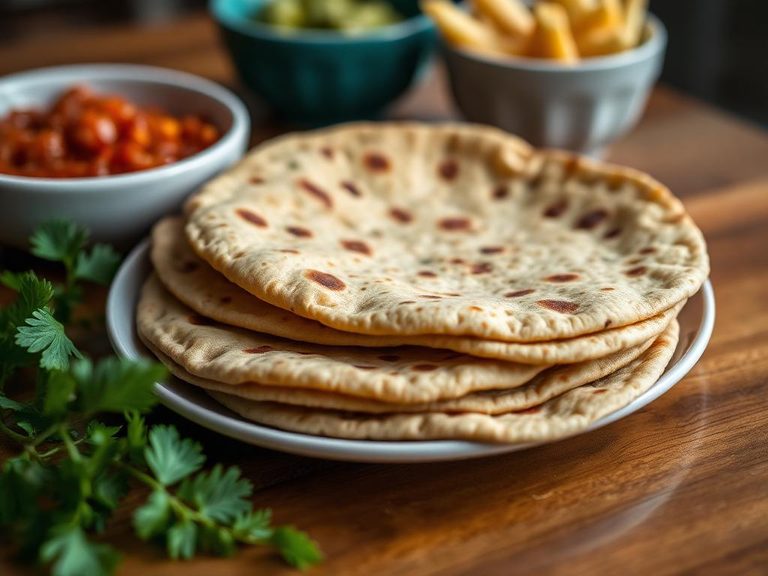
Teff is a tiny, ancient grain from Ethiopia, cooked into a porridge-like texture with a mild, nutty, and slightly molasses-like flavor. Its impressive nutritional profile packs a solid 3.87g of protein and 2.8g of fiber per 100g, all while being naturally gluten-free. This powerhouse grain is the foundational ingredient for the iconic spongy flatbread, injera.
Calorie split: 15% protein · 79% carbs · 6% fat
↓ Full nutrition💚 Why it's loved
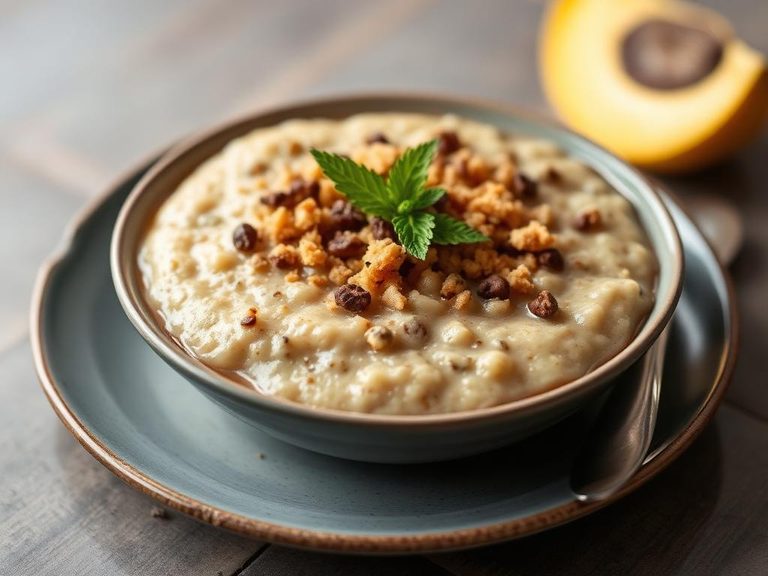
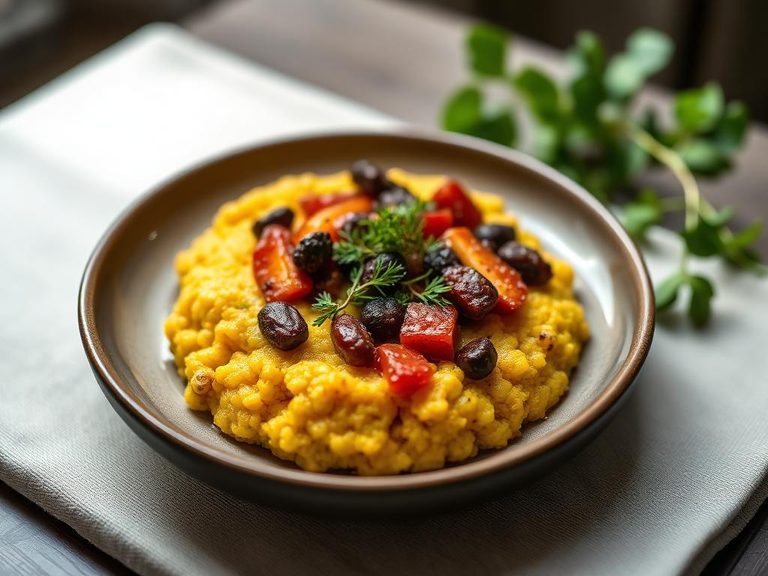
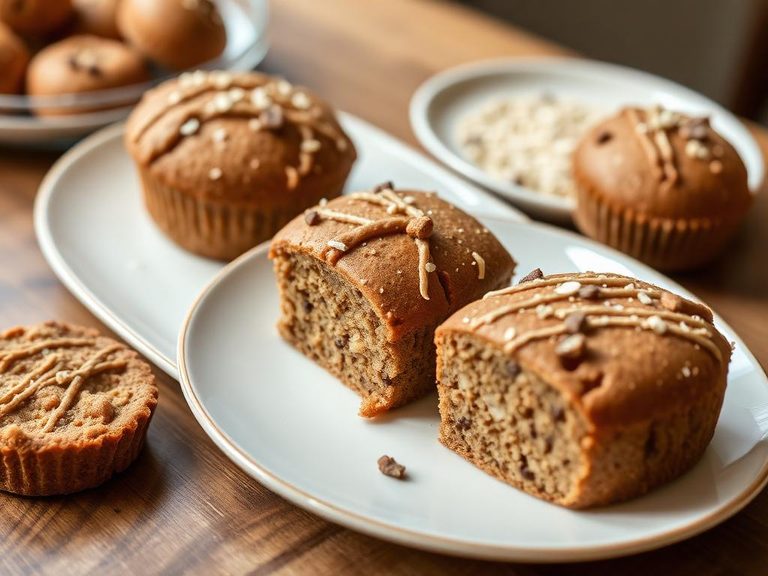
People love teff for its unique, earthy flavor that forms the tangy, spongy base of injera, the centerpiece of Ethiopian and Eritrean cuisine. Its incredible versatility allows it to be used in porridges, polenta, baking, and even as a thickener.
⚠️ Watch-outs & how to enjoy it better
The high fiber and resistant starch content can cause digestive discomfort like bloating for those not accustomed to it. To counteract this, introduce it gradually into your diet and ensure adequate water intake. Its natural sugars and carbs can impact blood sugar, so pairing it with protein (like lentils) or healthy fats (like avocado) is wise for glycemic control.
Key benefits
- Naturally gluten-free, suitable for celiac diets
- High in resistant starch, which supports gut health
- Excellent source of plant-based iron and calcium
- Provides sustained energy due to complex carbs and fiber
- Contains all nine essential amino acids
🍽️ Popular dishes

🌍 Where it's eaten
💡 Did you know?
Teff is the world's smallest cereal grain; it takes about 150 teff seeds to equal the weight of a single wheat kernel.
Full nutrition (USDA data · scales with serving)
| Water | 74.9 g |
| Energy | 101 kcal |
| Energy | 422 kj |
| Protein | 3.9 g |
| Total lipid (fat) | 0.65 g |
| Ash | 0.69 g |
| Carbohydrate, by difference | 19.9 g |
| Fiber, total dietary | 2.8 g |
| Calcium, Ca | 49.0 mg |
| Iron, Fe | 2.0 mg |
| Magnesium, Mg | 50.0 mg |
| Phosphorus, P | 120 mg |
| Potassium, K | 107 mg |
| Sodium, Na | 8.0 mg |
| Zinc, Zn | 1.1 mg |
| Copper, Cu | 0.23 mg |
| Manganese, Mn | 2.9 mg |
| Thiamin | 0.18 mg |
| Riboflavin | 0.03 mg |
| Niacin | 0.91 mg |
| Vitamin B-6 | 0.10 mg |
| Folate, total | 18.0 ug |
| Folic acid | 0.00 ug |
| Folate, food | 18.0 ug |
| Folate, DFE | 18.0 ug |
| Vitamin B-12 | 0.00 ug |
| Vitamin A, RAE | 0.00 ug |
| Retinol | 0.00 ug |
| Vitamin A, IU | 2.0 iu |
Fat & fatty acid profile (per 100g)
| Cholesterol | 0.00 mg |
Amino acid profile (per 100g)
| Tryptophan | 0.04 g |
| Threonine | 0.15 g |
| Isoleucine | 0.15 g |
| Leucine | 0.31 g |
| Lysine | 0.11 g |
| Methionine | 0.13 g |
| Cystine | 0.07 g |
| Phenylalanine | 0.20 g |
| Tyrosine | 0.13 g |
| Valine | 0.20 g |
| Arginine | 0.15 g |
| Histidine | 0.09 g |
| Alanine | 0.22 g |
| Aspartic acid | 0.24 g |
| Glutamic acid | 0.97 g |
| Glycine | 0.14 g |
| Proline | 0.19 g |
| Serine | 0.18 g |
FAQ
Is teff gluten-free?
Yes, teff is a naturally gluten-free grain, making it a safe and nutritious choice for people with celiac disease or gluten sensitivity.
How does teff compare to quinoa nutritionally?
Teff is higher in calcium and iron than quinoa, while quinoa offers slightly more protein per serving. Both are complete proteins and gluten-free.
What is the best way to cook teff?
For a porridge-like consistency, simmer 1 cup of teff in 3 cups of water or broth for about 15-20 minutes, stirring frequently until thick. It can also be toasted before cooking for a nuttier flavor.
Nutrient density (calculated · NRF9.3)
Nutrient Rich Foods index: beneficial nutrients (protein, fiber, vitamins, minerals) minus saturated fat, added sugar & sodium, per 100 kcal.
NRF9.3 index — Fulgoni, Keast & Drewnowski, 2009. Computed from USDA nutrients.
Weight-loss friendliness (composite index)
Energy density 1.01 kcal/g · 15% calories from protein · 2.8 g fiber · 0.0 g sugar per 100 g.
Composite of energy density (Rolls et al., 1999), protein & fiber satiety, minus sugar. A calculated heuristic — ranks satiety-per-calorie, not a clinical measure.
Dietary load (calculated from USDA values)
Potential renal acid load. Positive = acid-forming, negative = alkaline-forming.
Sodium-to-potassium ratio: 0.07 (lower is better — aim for ≤ 1)
Sodium:potassium per WHO potassium guidance. Computed from USDA nutrients.