Teff-based Baked Goods
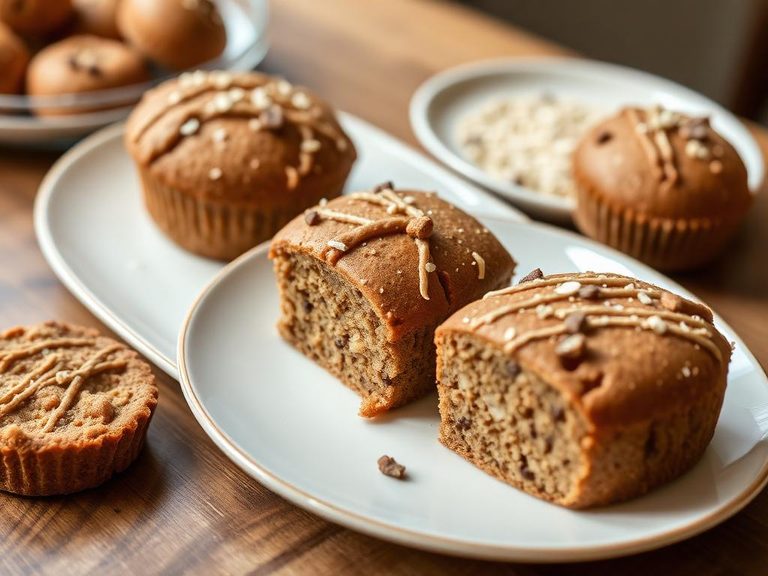
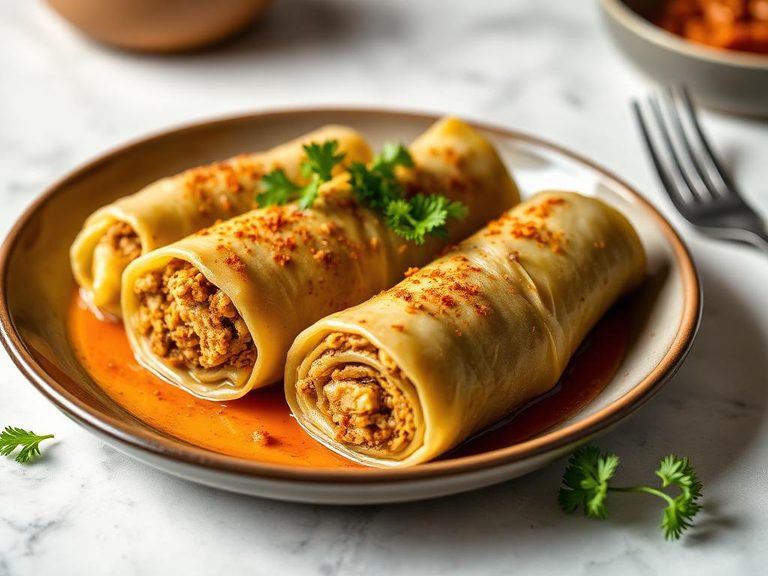
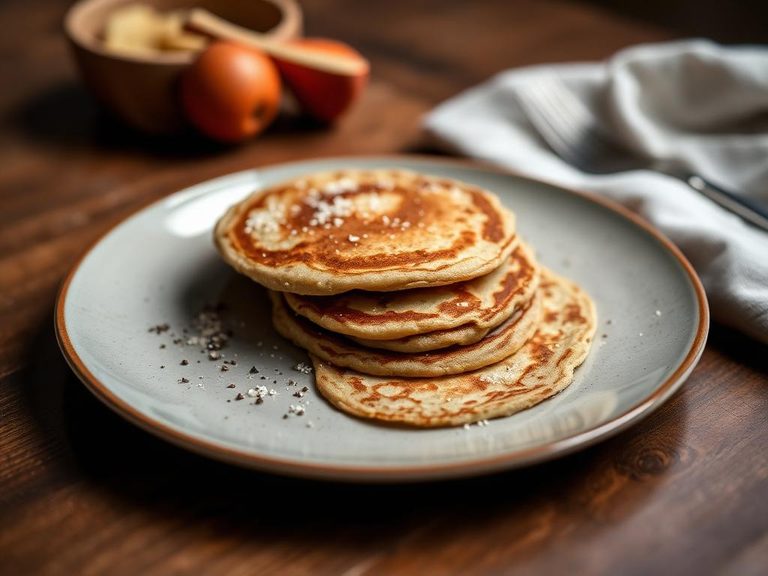
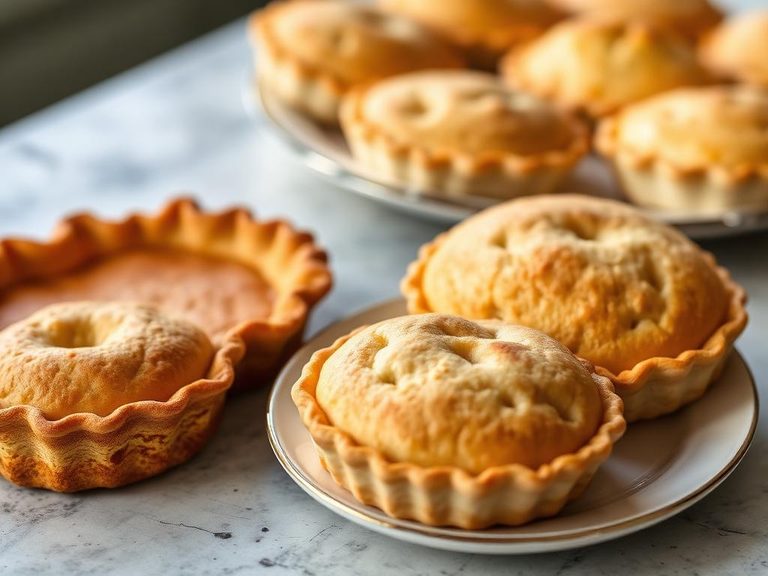
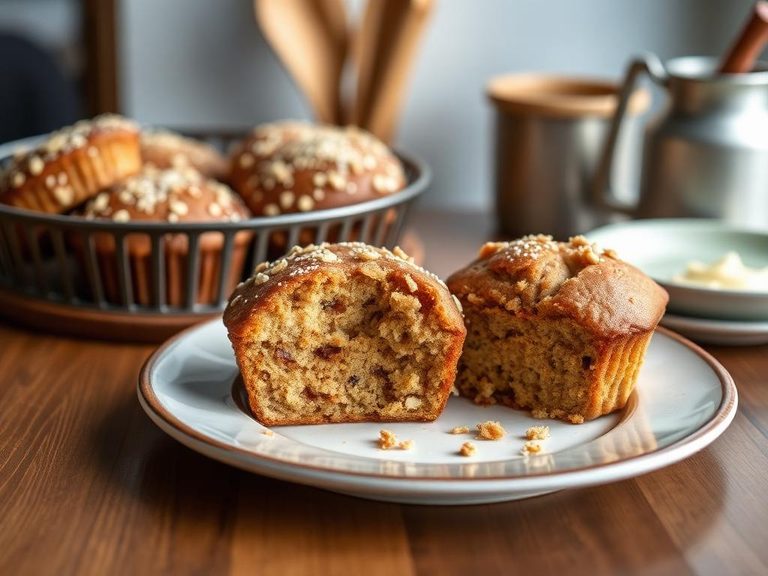
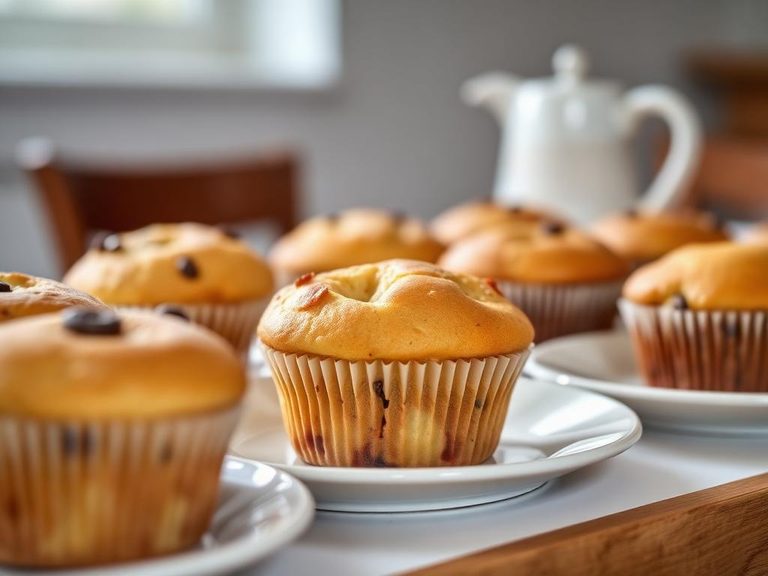
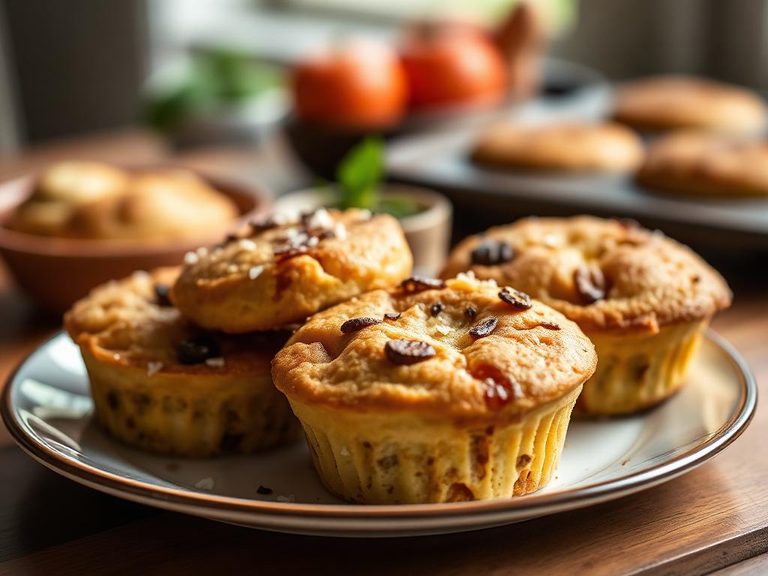
Teff-based baked goods are a category of foods made from the tiny, nutrient-dense grain native to Ethiopia and Eritraea. They are most famously used to make injera, a spongy, sourdough flatbread that serves as both plate and utensil in Ethiopian cuisine. Beyond injera, teff flour is used for various breads, muffins, and cookies, offering a nutty, slightly sweet flavor.
🍽️ Nutrition at a glance
Teff is a high-carbohydrate grain that is also a notable source of plant-based protein and dietary fiber. It is exceptionally rich in minerals like iron, calcium, and magnesium, with a typical serving of baked goods providing roughly 200-300 calories.
Nutrition breakdown
| Calories | 250 kcal |
| Protein | 8 g |
| Carbs | 48 g |
| Fat | 2 g |
| Fiber | 7 g |
| Sugar | 2 g |
| Sodium | 350 mg |
| Iron | 4.5 mg |
| Calcium | 120 mg |
| Magnesium | 80 mg |
| Phosphorus | 180 mg |
| Potassium | 300 mg |
| Zinc | 2.5 mg |
| Manganese | 1.8 mg |
| Thiamin (B1) | 0.2 mg |
Per 1 piece of injera (about 120 g) · estimated, varies by recipe
💡 What's interesting
Teff is a 'superfood' grain that is naturally gluten-free and has been cultivated for thousands of years. Its unique fermentation process for injera creates a tangy flavor and a texture that is both spongy and slightly crispy at the edges.