

Mushroom, pioppini
Whole food · Vegetables and Vegetable Products

Photo: Wikipedia
Pioppini mushrooms are small, tan-capped fungi with a firm, meaty stem and a delicate, nutty flavor reminiscent of chestnuts. When cooked, they develop a satisfyingly chewy texture and release a rich, earthy aroma. Nutritionally, they are a low-calorie, high-fiber choice, offering nearly 3 grams of fiber per 100 grams to support digestive health.
Calorie split: 36% protein · 59% carbs · 6% fat
↓ Full nutrition💚 Why it's loved
People love pioppini for their robust, nutty flavor that holds up beautifully to sautéing, grilling, or braising, making them a versatile star in pastas, risottos, and grilled dishes. Their firm texture provides a satisfying bite that doesn't turn mushy, appealing to both mushroom enthusiasts and those new to fungi.
⚠️ Watch-outs & how to enjoy it better
Pioppini mushrooms can be tough or woody if not cooked properly, and their strong flavor may be overpowering in very delicate dishes. To counteract toughness, simmer them in broths or sauces for a longer period to tenderize, or slice them thinly before a quick sauté. Their earthy taste pairs best with bold ingredients like garlic, herbs, and aged cheeses.
Key benefits
- Excellent source of dietary fiber for gut health
- Very low in calories and virtually fat-free
- Provides plant-based protein
- Contains B vitamins like niacin and riboflavin
- Offers minerals such as potassium and selenium
🍽️ Popular dishes
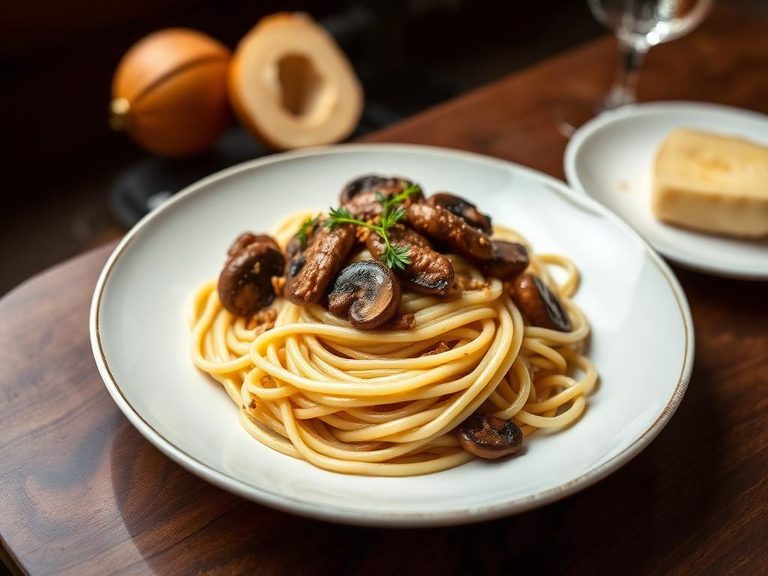
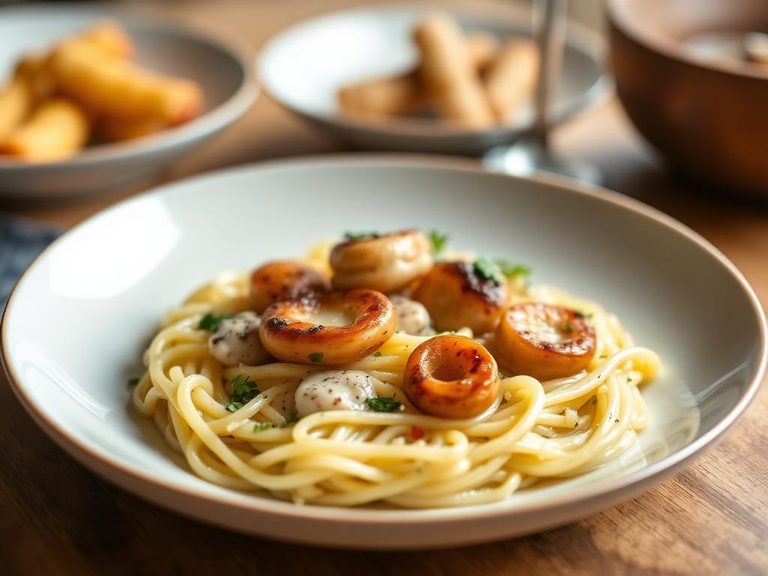
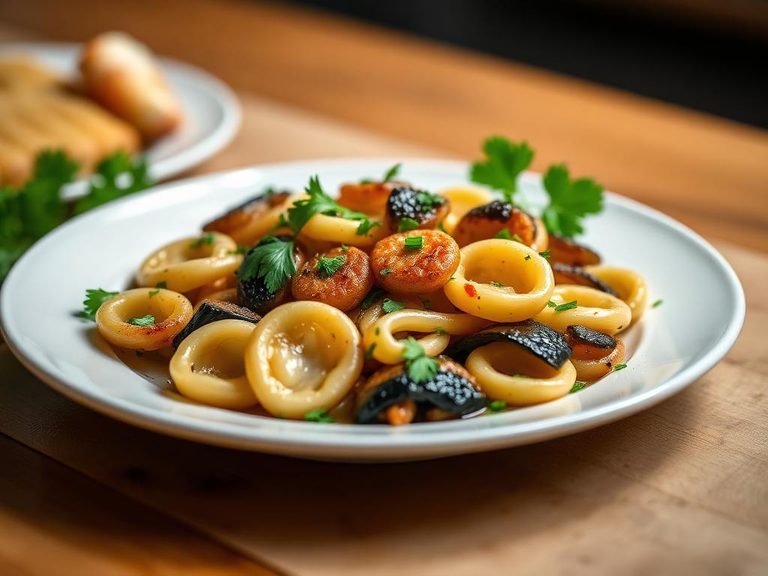
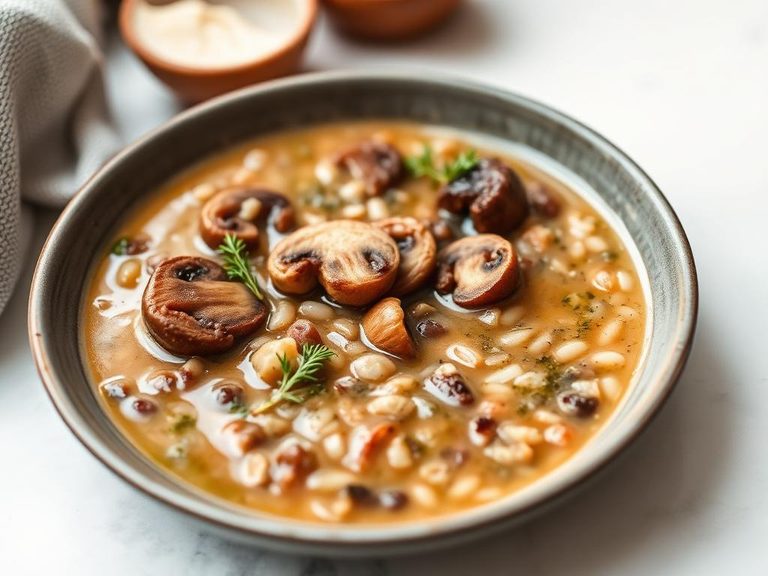
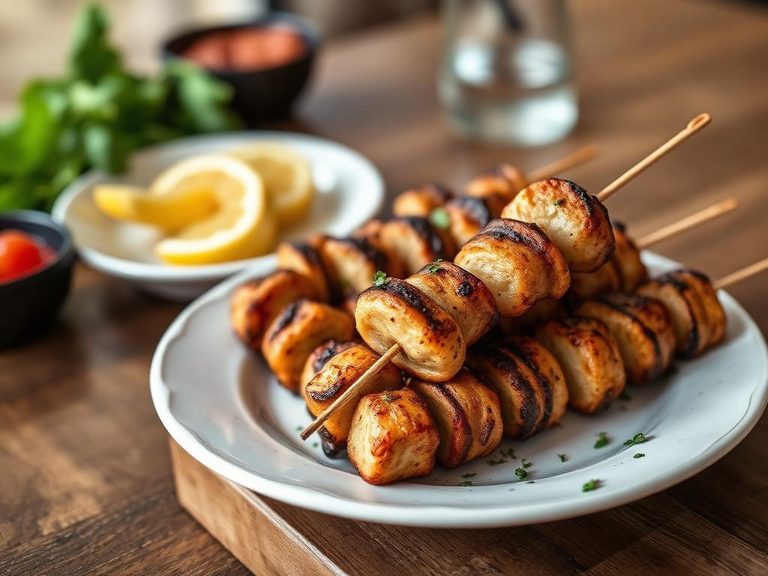
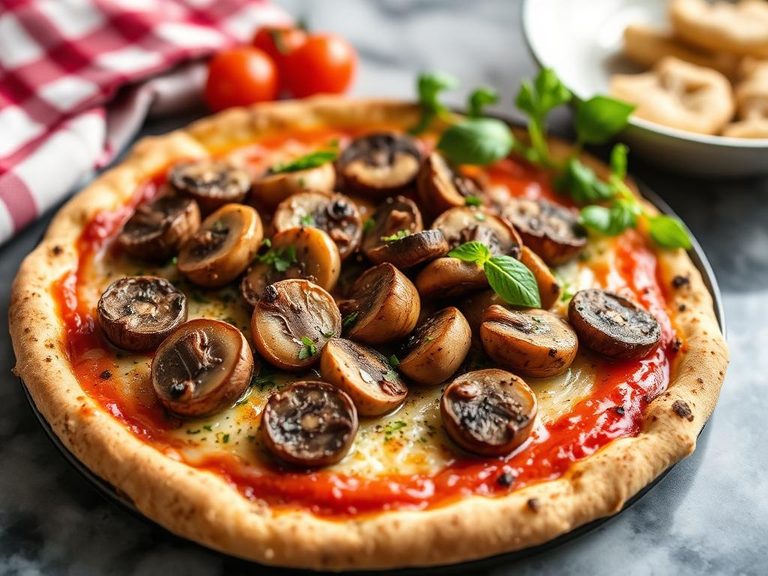
🌍 Where it's eaten
💡 Did you know?
Pioppino is the Italian word for 'poplar tree,' as this mushroom species often grows in clusters at the base of poplar and other hardwood trees.
Full nutrition (USDA data · scales with serving)
| Water | 89.6 g |
| Energy (Atwater General Factors) | 39.2 kcal |
| Energy (Atwater Specific Factors) | 31.2 kcal |
| Nitrogen | 0.56 g |
| Protein | 3.5 g |
| Total lipid (fat) | 0.24 g |
| Ash | 0.94 g |
| Carbohydrate, by difference | 5.8 g |
| Fiber, total dietary | 2.8 g |
| Beta-glucan | 1.4 g |
| Calcium, Ca | 0.00 mg |
| Iron, Fe | 0.49 mg |
| Magnesium, Mg | 16.0 mg |
| Phosphorus, P | 121 mg |
| Potassium, K | 392 mg |
| Sodium, Na | 0.00 mg |
| Zinc, Zn | 0.86 mg |
| Copper, Cu | 0.28 mg |
| Manganese, Mn | 0.10 mg |
| Selenium, Se | 4.1 ug |
| Thiamin | 0.01 mg |
| Riboflavin | 0.43 mg |
| Niacin | 6.2 mg |
| Vitamin B-6 | 0.10 mg |
| Biotin | 15.3 ug |
| Vitamin D (D2 + D3), International Units | 0.00 iu |
| Vitamin D (D2 + D3) | 0.00 ug |
| Vitamin D2 (ergocalciferol) | 0.00 ug |
| Vitamin D4 | 0.00 ug |
| Glutathione | 23.5 mg |
| Ergosta-7-enol | 1.7 mg |
| Ergosta-5,7-dienol | 9.6 mg |
| Ergosta-7,22-dienol | 0.76 mg |
| Delta-7-Stigmastenol | 0.00 mg |
| Ergothioneine | 23.2 mg |
Fat & fatty acid profile (per 100g)
| Stigmasterol | 0.00 mg |
| Campesterol | 0.00 mg |
| Beta-sitosterol | 0.00 mg |
| Ergosterol | 78.9 mg |
| Beta-sitostanol | 0.00 mg |
| Delta-5-avenasterol | 0.00 mg |
Amino acid profile (per 100g)
| Tryptophan | 0.49 g |
| Threonine | 1.5 g |
| Isoleucine | 1.3 g |
| Leucine | 2.0 g |
| Lysine | 1.8 g |
| Methionine | 0.38 g |
| Phenylalanine | 1.1 g |
| Valine | 2.1 g |
| Histidine | 0.69 g |
FAQ
Are pioppini mushrooms the same as poplar mushrooms?
Yes, 'pioppino' is the Italian name for the poplar mushroom (Agrocybe aegerita), so they are the same fungus.
How should I clean pioppini mushrooms?
Wipe them with a damp cloth or paper towel. If very sandy, give them a quick rinse under cold water and pat dry immediately to prevent sogginess.
Can I eat pioppini mushrooms raw?
While not toxic, they are best cooked. Raw pioppini can be tough and have a slightly bitter taste; cooking tenderizes them and mellows their flavor.
Nutrient density (calculated · NRF9.3)
Nutrient Rich Foods index: beneficial nutrients (protein, fiber, vitamins, minerals) minus saturated fat, added sugar & sodium, per 100 kcal.
NRF9.3 index — Fulgoni, Keast & Drewnowski, 2009. Computed from USDA nutrients.
Weight-loss friendliness (composite index)
Energy density 0.39 kcal/g · 36% calories from protein · 2.8 g fiber · 0.0 g sugar per 100 g.
Composite of energy density (Rolls et al., 1999), protein & fiber satiety, minus sugar. A calculated heuristic — ranks satiety-per-calorie, not a clinical measure.
Dietary load (calculated from USDA values)
Potential renal acid load. Positive = acid-forming, negative = alkaline-forming.
Sodium-to-potassium ratio: 0.00 (lower is better — aim for ≤ 1)
Sodium:potassium per WHO potassium guidance. Computed from USDA nutrients.