Mayonnaise, Regular
Whole food · Fats and Oils

Photo: Wikipedia
Mayonnaise is a thick, creamy emulsion of oil, egg yolk, and an acid like vinegar or lemon juice, creating a rich, tangy, and velvety texture. Its flavor is a balanced blend of savory, sour, and subtly sweet, making it a foundational condiment for countless dishes. Nutritionally, it is almost entirely fat, providing a dense source of energy but minimal protein, carbohydrates, or fiber.
💚 Why it's loved
People love mayonnaise for its unparalleled ability to add creamy richness and a tangy kick to everything from sandwiches to salads. Its incredible versatility makes it a cultural staple, from American burgers to Japanese katsu sando, transforming simple ingredients into satisfying meals.
⚠️ Watch-outs & how to enjoy it better
The primary downside is its very high calorie and fat density, which can contribute to weight gain if consumed in large quantities. It is also a common allergen due to eggs, and some store-bought versions contain high sodium and added sugars. To counteract this, use portion control (a tablespoon or two), opt for olive oil-based versions for healthier fats, and pair it with fiber-rich vegetables or lean proteins to create a more balanced meal.
Key benefits
- Provides a rich source of monounsaturated fats from oil.
- Contains vitamin E, an antioxidant, from vegetable oils.
- Acts as a flavor carrier and texturizer in sauces and dressings.
- Enhances the palatability of vegetables and lean proteins.
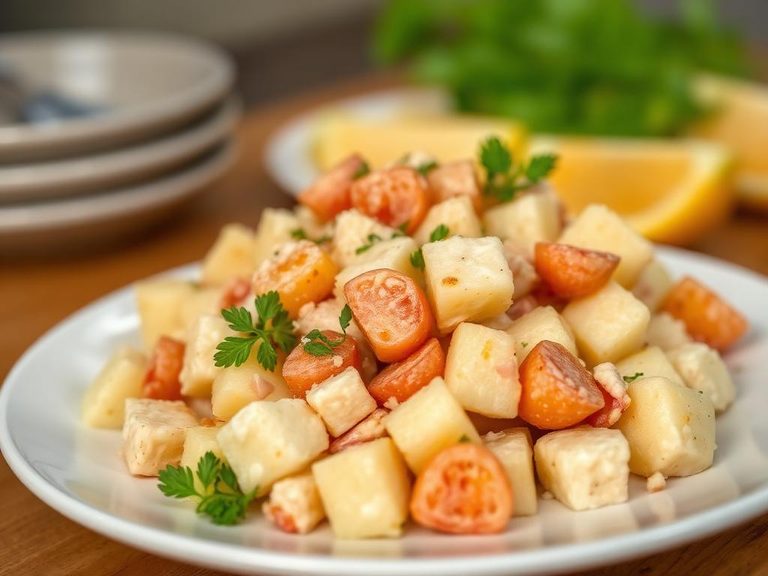
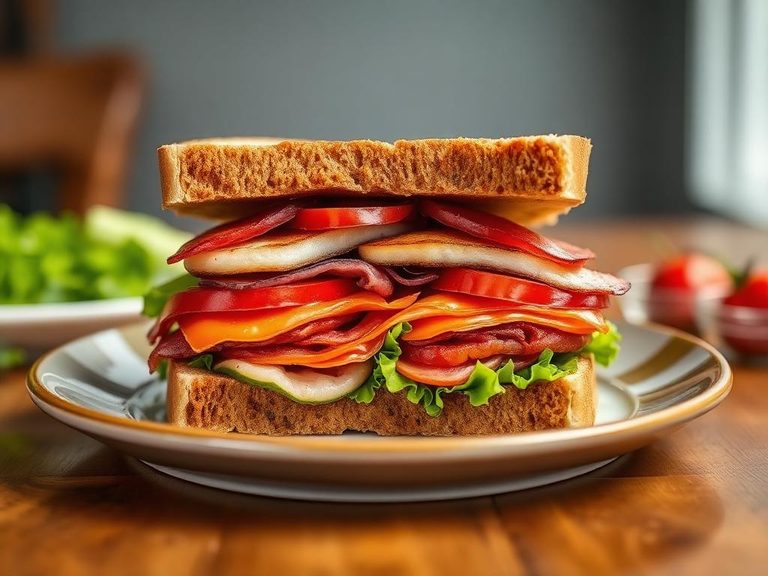
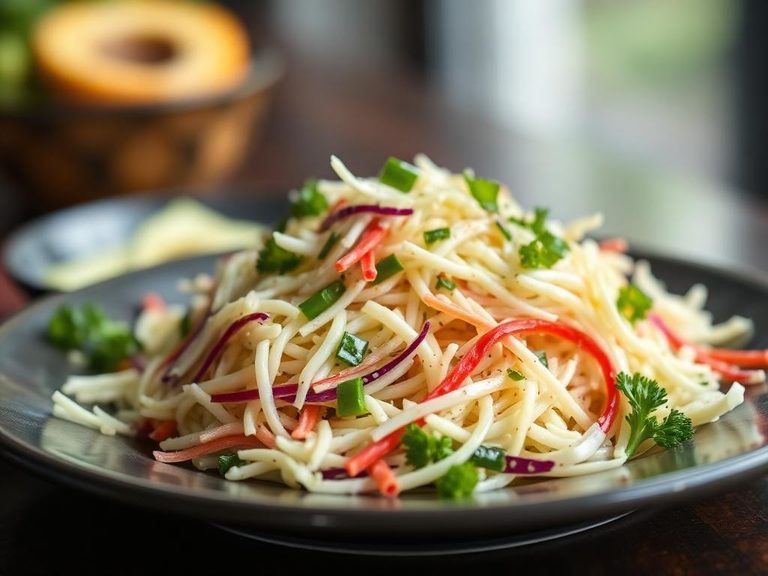
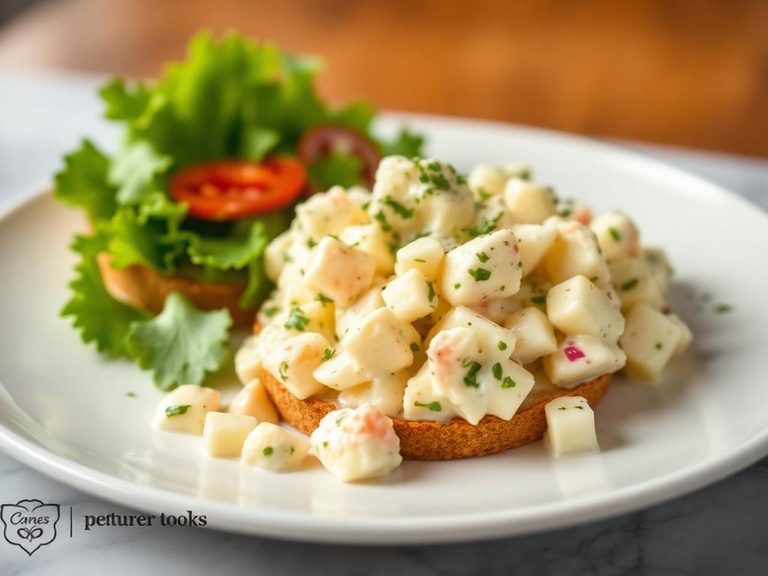
🍽️ Popular dishes
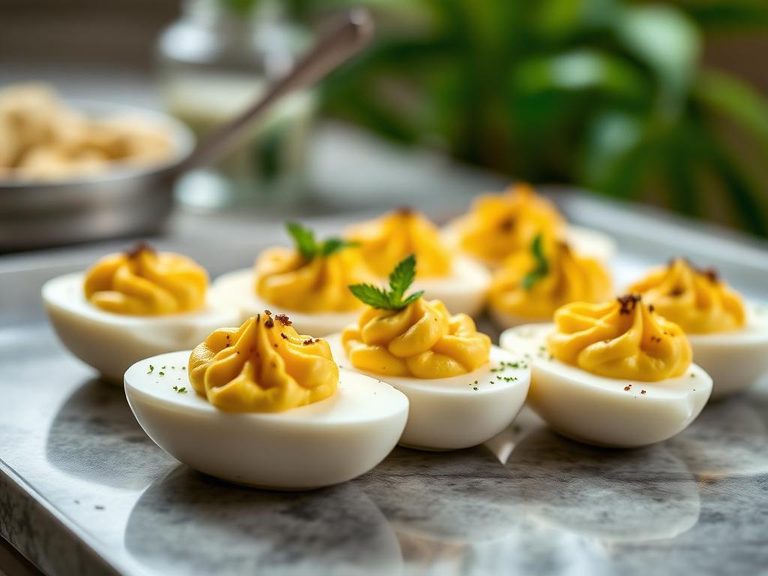
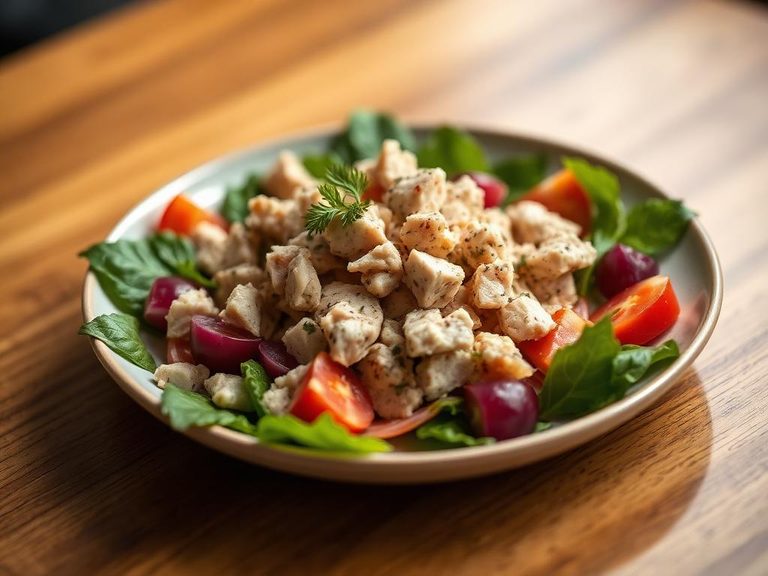
🌍 Where it's eaten
💡 Did you know?
Mayonnaise is an emulsion, a stable mixture of two liquids that normally don't mix (oil and water/vinegar), held together by lecithin in egg yolks.
Full nutrition (scales with serving)
| Water | 16.6 g |
| Ash | 1.4 g |
| Riboflavin | 0.11 mg |
| Vitamin B-6 | 0.00 mg |
| Choline, total | 47.5 mg |
| Fatty acids, total saturated | 11.3 g |
| SFA 4:0 | 0.00 g |
| SFA 5:0 | 0.00 g |
| SFA 6:0 | 0.00 g |
| SFA 7:0 | 0.00 g |
| SFA 8:0 | 0.00 g |
| SFA 9:0 | 0.00 g |
| SFA 10:0 | 0.00 g |
| SFA 11:0 | 0.00 g |
| SFA 12:0 | 0.00 g |
| SFA 14:0 | 0.05 g |
| SFA 15:0 | 0.01 g |
| SFA 16:0 | 7.4 g |
| SFA 17:0 | 0.07 g |
| SFA 18:0 | 3.2 g |
| SFA 20:0 | 0.23 g |
| SFA 21:0 | 0.03 g |
| SFA 22:0 | 0.22 g |
| SFA 23:0 | 0.00 g |
| SFA 24:0 | 0.08 g |
| Fatty acids, total monounsaturated | 16.8 g |
| MUFA 12:1 | 0.00 g |
| MUFA 14:1 | 0.00 g |
| MUFA 15:1 | 0.00 g |
| MUFA 16:1 | 0.10 g |
| MUFA 17:1 | 0.04 g |
| MUFA 18:1 | 16.1 g |
| MUFA 20:1 | 0.49 g |
| MUFA 22:1 c | 0.01 g |
| MUFA 22:1 n-9 | 0.01 g |
| MUFA 22:1 n-11 | 0.00 g |
| MUFA 24:1 c | 0.00 g |
| Fatty acids, total polyunsaturated | 41.7 g |
| PUFA 18:2 | 36.7 g |
| PUFA 18:2 c | 36.8 g |
| PUFA 18:2 CLAs | 0.04 g |
| PUFA 18:3 | 4.8 g |
| PUFA 18:3 c | 4.8 g |
| PUFA 18:3 n-6 c,c,c | 0.00 g |
| PUFA 18:4 | 0.00 g |
| PUFA 20:2 c | 0.03 g |
| PUFA 20:3 c | 0.00 g |
| PUFA 20:3 n-3 | 0.00 g |
| PUFA 20:3 n-6 | 0.00 g |
| PUFA 20:3 n-9 | 0.00 g |
| PUFA 22:3 | 0.01 g |
| PUFA 20:4 | 0.03 g |
| PUFA 20:5c | 0.00 g |
| PUFA 22:2 | 0.00 g |
| PUFA 22:5 c | 0.00 g |
| PUFA 22:4 | 0.00 g |
| PUFA 22:6 c | 0.01 g |
| Fatty acids, total trans | 0.21 g |
| TFA 14:1 t | 0.00 g |
| TFA 16:1 t | 0.00 g |
| TFA 18:1 t | 0.03 g |
| TFA 20:1 t | 0.00 g |
| TFA 22:1 t | 0.00 g |
| TFA 18:2 t | 0.18 g |
| TFA 18:3 t | 0.00 g |
FAQ
Is mayonnaise healthy?
Mayonnaise is high in fat and calories, so it's best consumed in moderation. However, it can be part of a balanced diet, especially if made with olive oil, which provides heart-healthy monounsaturated fats.
Why does mayonnaise separate?
Mayonnaise can separate if the emulsion breaks, often due to extreme temperatures (too cold or too hot) or improper mixing. Adding a small amount of mustard or a fresh egg yolk can help re-emulsify it.
What is the difference between mayonnaise and aioli?
Traditional mayonnaise is made with egg yolks, oil, and vinegar or lemon juice, while aioli is a Mediterranean sauce made with garlic, olive oil, and sometimes egg yolks. Aioli has a stronger garlic flavor.