

Caribou, tongue, raw (Alaska Native)
Whole food · American Indian/Alaska Native Foods

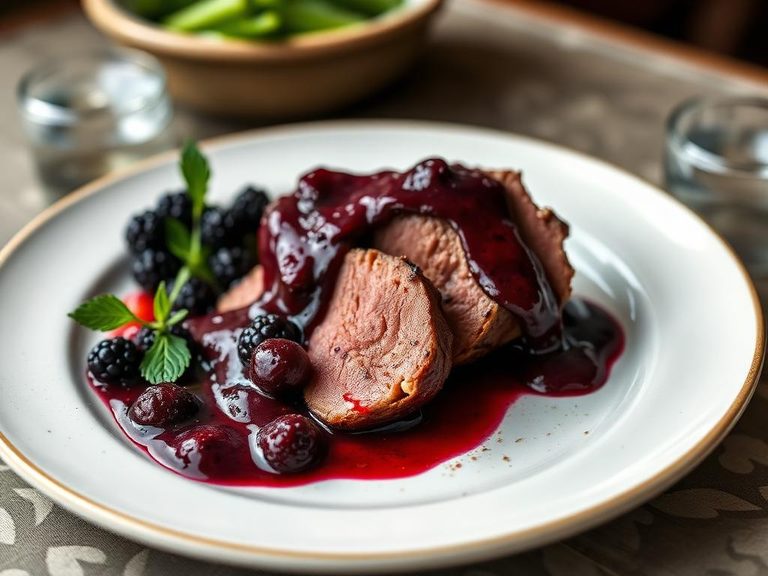
Photo: Wikipedia
Caribou tongue is a prized cut from the iconic Arctic ungulate, known for its incredibly rich, buttery flavor and a texture that is tender yet slightly chewy when raw. Nutritionally, it is a powerhouse of protein and healthy fats, delivering a dense 260 calories per 100g with virtually no carbohydrates, making it a staple for sustaining energy in harsh climates.
Calorie split: 21% protein · 0% carbs · 79% fat
↓ Full nutrition💚 Why it's loved
It is loved for its deep, gamey yet clean flavor that is more nuanced than beef, and its cultural significance as a traditional food of celebration and survival among Alaska Native and First Nations peoples.
⚠️ Watch-outs & how to enjoy it better
The strong, distinctive game flavor can be off-putting to those accustomed to milder meats, and its high fat content requires careful sourcing to avoid spoilage. To counteract this, it is best prepared by experienced cooks, often slow-cooked or braised to tenderize, and paired with acidic or sharp accompaniments like cranberry or juniper to balance the richness.
Key benefits
- Exceptionally high in complete protein for muscle maintenance.
- Rich in dietary fat, including beneficial omega-3s from a wild diet.
- Zero carbohydrates, suitable for ketogenic and carnivore diets.
- A traditional, nose-to-tail food source for Indigenous Arctic communities.
🍽️ Popular dishes
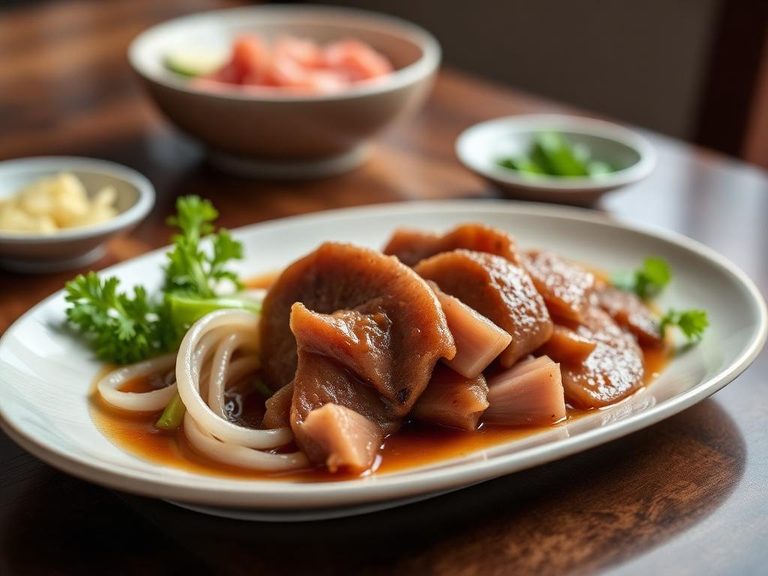
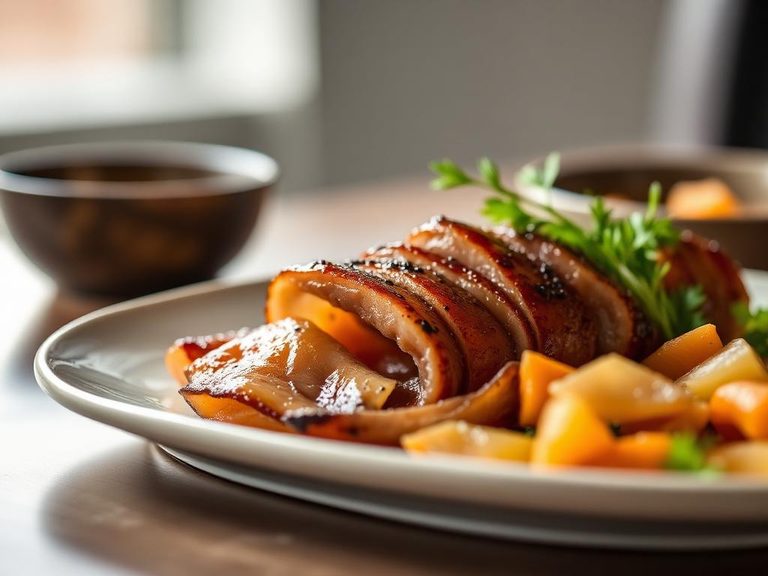
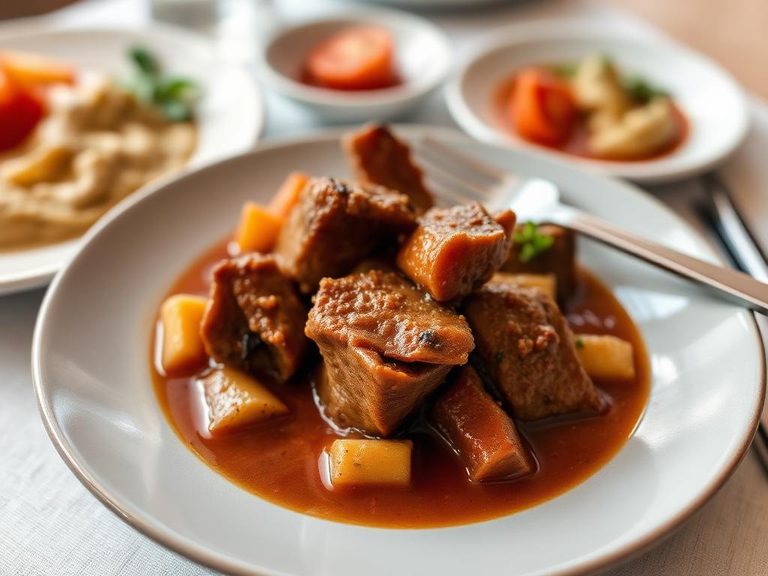
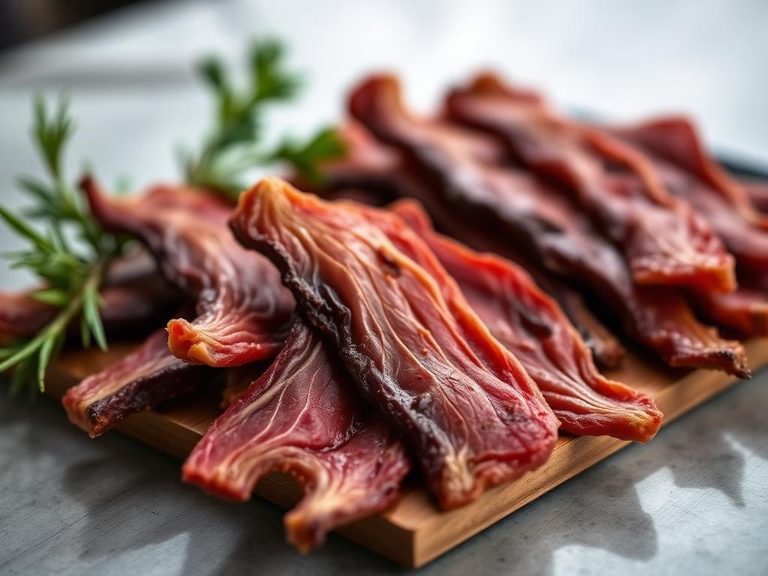
🌍 Where it's eaten
💡 Did you know?
A single caribou tongue weighs about 1.5 pounds, making it one of the largest and most muscular tongues among North American game animals.
Full nutrition (USDA data · scales with serving)
| Water | 62.5 g |
| Energy | 260 kcal |
| Energy | 1088 kj |
| Protein | 13.7 g |
| Total lipid (fat) | 22.8 g |
| Ash | 1.0 g |
| Carbohydrate, by difference | 0.00 g |
| Calcium, Ca | 6.0 mg |
| Iron, Fe | 2.8 mg |
| Phosphorus, P | 150 mg |
| Thiamin | 0.12 mg |
| Vitamin A, IU | 190 iu |
Fat & fatty acid profile (per 100g)
Estimated from Game meat, caribou, raw — USDA does not publish this profile for Caribou.
| Fatty acids, total saturated | 1.3 g |
| SFA 14:0 | 0.09 g |
| SFA 16:0 | 0.68 g |
| SFA 18:0 | 0.45 g |
| Fatty acids, total monounsaturated | 1.0 g |
| MUFA 16:1 | 0.08 g |
| MUFA 18:1 | 0.93 g |
| Fatty acids, total polyunsaturated | 0.47 g |
| PUFA 18:2 | 0.23 g |
| PUFA 18:3 | 0.03 g |
| PUFA 20:4 | 0.14 g |
| PUFA 22:5 n-3 (DPA) | 0.02 g |
| PUFA 22:6 n-3 (DHA) | 0.05 g |
| Cholesterol | 83.0 mg |
Amino acid profile (per 100g)
Estimated from Game meat, caribou, raw — USDA does not publish this profile for Caribou.
| Tryptophan | 0.35 g |
| Threonine | 0.97 g |
| Isoleucine | 1.0 g |
| Leucine | 1.9 g |
| Lysine | 2.0 g |
| Methionine | 0.51 g |
| Cystine | 0.16 g |
| Phenylalanine | 1.0 g |
| Tyrosine | 0.74 g |
| Valine | 1.1 g |
| Arginine | 1.3 g |
| Histidine | 0.90 g |
| Alanine | 1.2 g |
| Aspartic acid | 2.0 g |
| Glutamic acid | 3.6 g |
| Glycine | 0.95 g |
| Proline | 0.70 g |
| Serine | 0.80 g |
FAQ
How does the taste of caribou tongue differ from beef tongue?
Caribou tongue has a more pronounced, slightly sweet and gamey flavor compared to the milder, fattier taste of beef tongue. Its texture is often described as denser and more muscular.
Is caribou tongue safe to eat raw?
While some traditional preparations involve minimal cooking, consuming any wild game raw carries a risk of parasites or bacteria. It is generally recommended to cook it thoroughly, with methods like braising or slow-cooking being ideal for tenderness.
Where can I source caribou tongue?
It is most commonly found through specialty wild game butchers, online retailers specializing in exotic meats, or directly from licensed hunters in regions like Alaska and Northern Canada.
Weight-loss friendliness (composite index)
Energy density 2.60 kcal/g · 21% calories from protein · 0.0 g fiber · 0.0 g sugar per 100 g.
Composite of energy density (Rolls et al., 1999), protein & fiber satiety, minus sugar. A calculated heuristic — ranks satiety-per-calorie, not a clinical measure.