

Caribou, liver, raw (Alaska Native)
Whole food · American Indian/Alaska Native Foods

Photo: Wikipedia
Caribou liver is a nutrient-dense organ meat with a deep, rich, slightly gamey flavor and a smooth, tender texture when prepared correctly. It is exceptionally high in protein and provides a potent dose of essential vitamins like B12 and A, making it a traditional staple in Arctic diets. Its low fat and carbohydrate content make it a lean, energy-boosting food.
Calorie split: 49% protein · 22% carbs · 29% fat
↓ Full nutrition💚 Why it's loved
People love caribou liver for its intensely savory, mineral-rich flavor that is considered a delicacy in many cultures. It is prized for its versatility, often served simply pan-seared or as part of traditional stews, offering a profound connection to ancestral foodways.
⚠️ Watch-outs & how to enjoy it better
The strong, gamey taste and iron-rich flavor can be off-putting to those unaccustomed to organ meats. Its high Vitamin A content means excessive consumption can lead to toxicity; moderation is key, and it should be avoided by pregnant women in large amounts. To counteract the strong flavor, it can be soaked in milk or water, or paired with acidic ingredients like berries or vinegar.
Key benefits
- Excellent source of high-quality protein (15g per 100g)
- Extremely rich in Vitamin B12, crucial for nerve function and red blood cell formation
- High in Vitamin A, supporting vision and immune health
- Low in fat and carbohydrates, making it a lean, nutrient-dense option
- Provides essential minerals like iron and copper
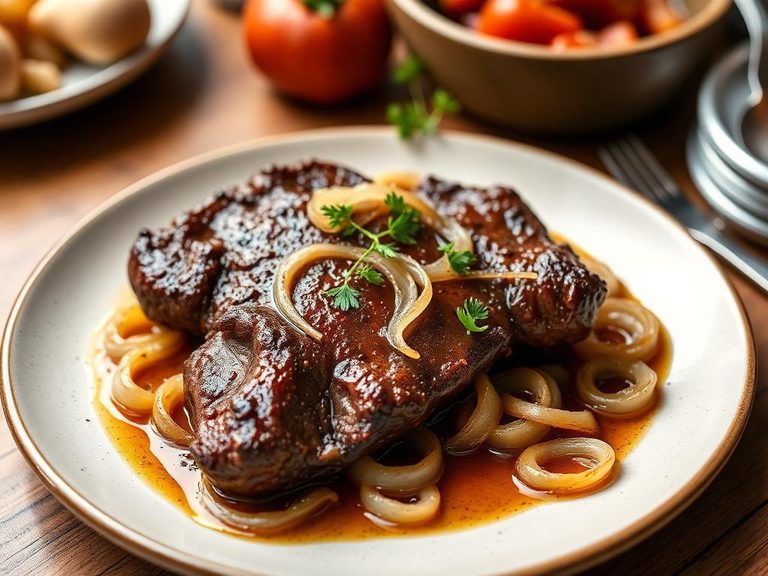
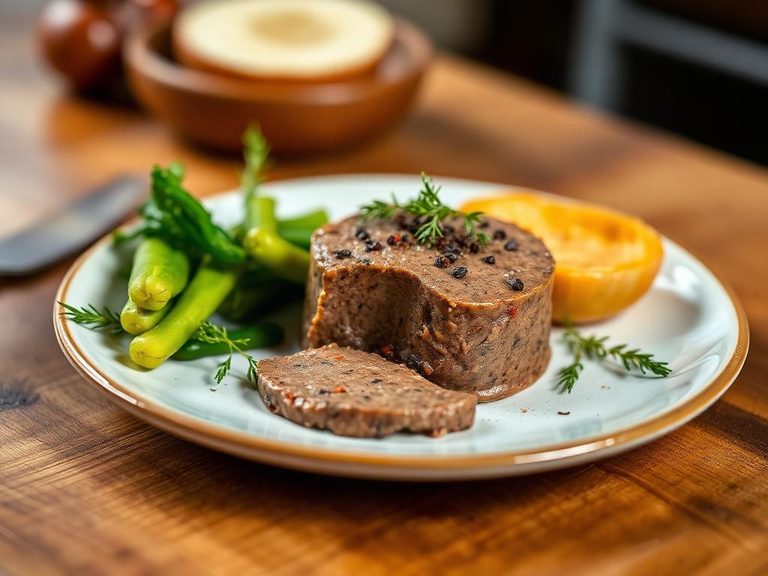
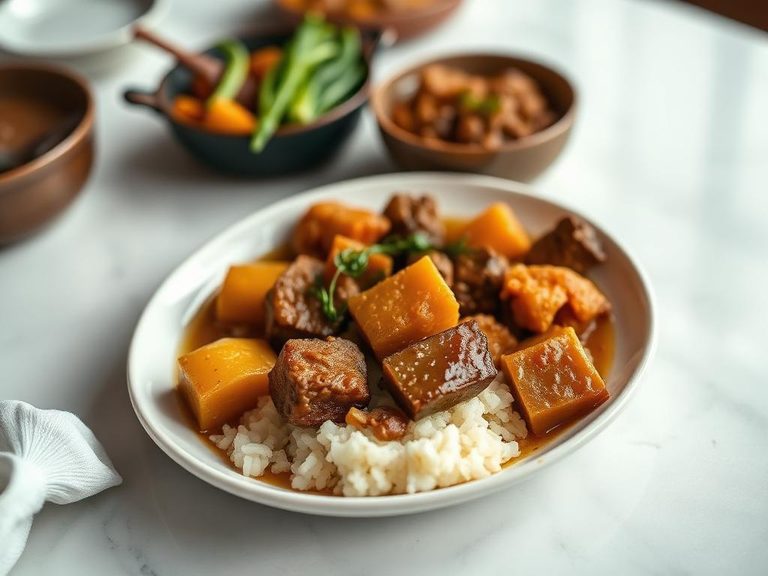
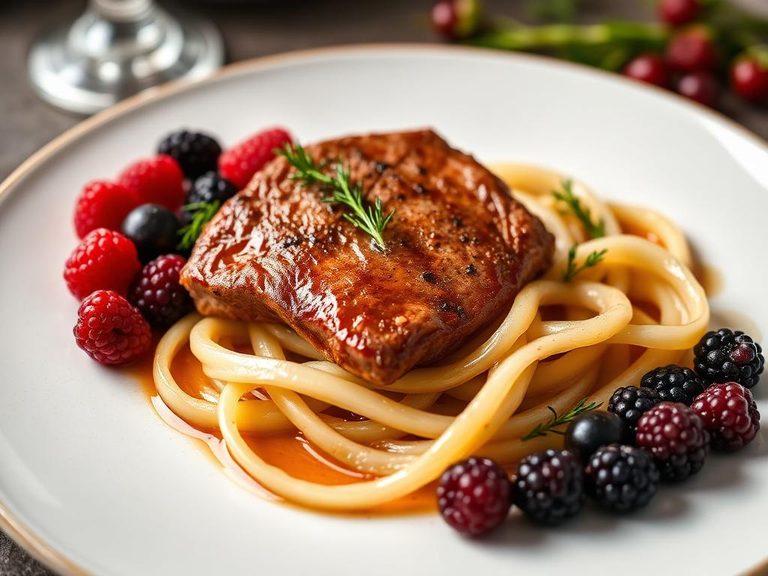
🍽️ Popular dishes
🌍 Where it's eaten
💡 Did you know?
Caribou liver is so rich in Vitamin A that a single serving can provide several days' worth of the recommended daily intake, a vital adaptation for surviving long, dark Arctic winters.
Full nutrition (USDA data · scales with serving)
| Water | 71.4 g |
| Energy | 122 kcal |
| Energy | 512 kj |
| Protein | 15.0 g |
| Total lipid (fat) | 3.9 g |
| Ash | 2.9 g |
| Carbohydrate, by difference | 6.8 g |
| Calcium, Ca | 4.0 mg |
| Iron, Fe | 15.7 mg |
| Phosphorus, P | 282 mg |
| Vitamin A, IU | 28800 iu |
Fat & fatty acid profile (per 100g)
Estimated from Game meat, caribou, raw — USDA does not publish this profile for Caribou.
| Fatty acids, total saturated | 1.3 g |
| SFA 14:0 | 0.09 g |
| SFA 16:0 | 0.68 g |
| SFA 18:0 | 0.45 g |
| Fatty acids, total monounsaturated | 1.0 g |
| MUFA 16:1 | 0.08 g |
| MUFA 18:1 | 0.93 g |
| Fatty acids, total polyunsaturated | 0.47 g |
| PUFA 18:2 | 0.23 g |
| PUFA 18:3 | 0.03 g |
| PUFA 20:4 | 0.14 g |
| PUFA 22:5 n-3 (DPA) | 0.02 g |
| PUFA 22:6 n-3 (DHA) | 0.05 g |
| Cholesterol | 83.0 mg |
Amino acid profile (per 100g)
Estimated from Game meat, caribou, raw — USDA does not publish this profile for Caribou.
| Tryptophan | 0.35 g |
| Threonine | 0.97 g |
| Isoleucine | 1.0 g |
| Leucine | 1.9 g |
| Lysine | 2.0 g |
| Methionine | 0.51 g |
| Cystine | 0.16 g |
| Phenylalanine | 1.0 g |
| Tyrosine | 0.74 g |
| Valine | 1.1 g |
| Arginine | 1.3 g |
| Histidine | 0.90 g |
| Alanine | 1.2 g |
| Aspartic acid | 2.0 g |
| Glutamic acid | 3.6 g |
| Glycine | 0.95 g |
| Proline | 0.70 g |
| Serine | 0.80 g |
FAQ
How does the taste of caribou liver compare to beef liver?
Caribou liver has a milder, less metallic flavor than beef liver, with a subtle sweetness and a more delicate, gamey taste that is often described as richer and less intense.
Is caribou liver safe to eat raw?
While some traditional preparations involve raw consumption, it is generally recommended to cook caribou liver thoroughly to eliminate potential parasites or bacteria, especially if sourced from wild game.
How can I reduce the strong flavor of caribou liver?
Soaking the liver in milk, buttermilk, or water for a few hours before cooking can help mellow its flavor. Cooking it quickly over high heat, like pan-searing, also helps preserve its tenderness and reduce any gamey taste.
Weight-loss friendliness (composite index)
Energy density 1.22 kcal/g · 49% calories from protein · 0.0 g fiber · 0.0 g sugar per 100 g.
Composite of energy density (Rolls et al., 1999), protein & fiber satiety, minus sugar. A calculated heuristic — ranks satiety-per-calorie, not a clinical measure.