

Traditional Inuit stews
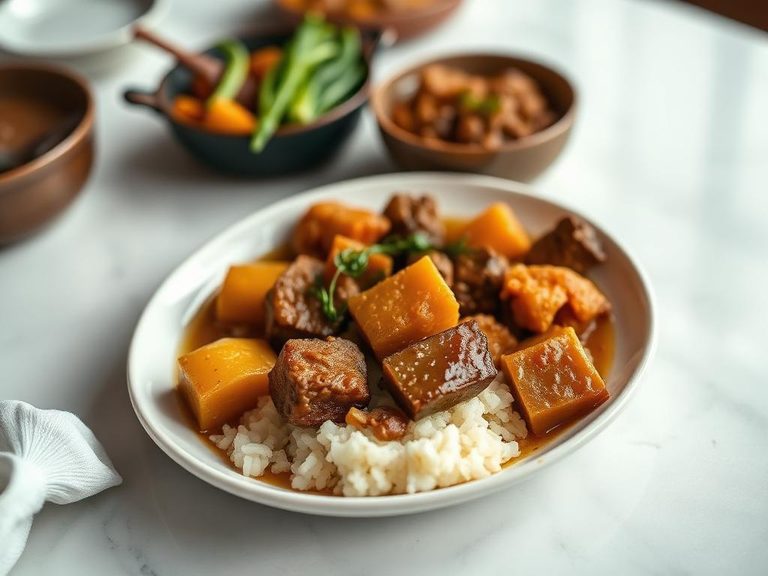
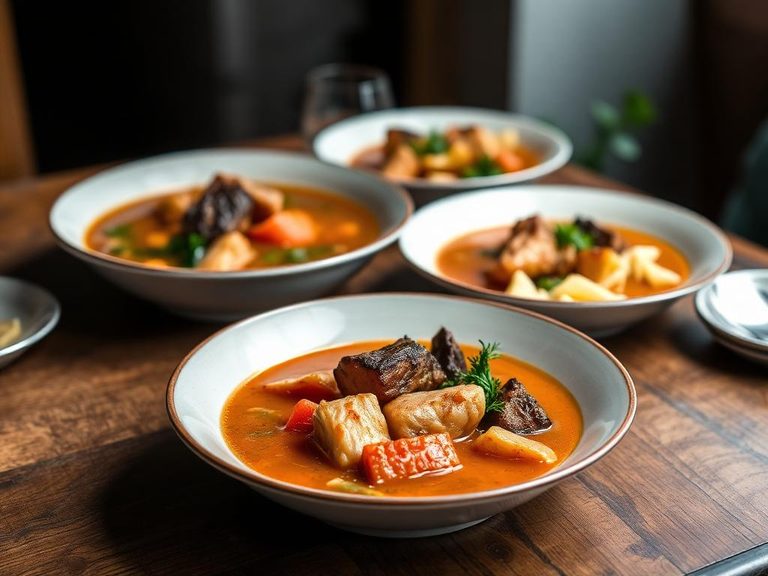
Traditional Inuit stews, often called 'muktuk stew' or simply a hearty game stew, are nourishing one-pot meals central to Arctic Indigenous cuisine. They are typically made with wild-harvested meats like caribou, seal, or Arctic char, combined with available root vegetables or berries, and simmered for hours. This dish originates from the Inuit, Yupik, and other Arctic peoples across Greenland, Canada, and Alaska.
🍳 View the full Traditional Inuit stews recipe →
🍽️ Nutrition at a glance
This dish is exceptionally high in protein and healthy fats, with very low carbohydrates, providing sustained energy and warmth in cold climates. It is a powerhouse of essential nutrients like iron, zinc, and omega-3 fatty acids, with a calorie count that can range widely from 300 to 500 kcal per serving depending on the fat content of the meat used.
Nutrition breakdown
| Calories | 420 kcal |
| Protein | 35 g |
| Carbs | 8 g |
| Fat | 28 g |
| Fiber | 2 g |
| Sugar | 3 g |
| Sodium | 450 mg |
| Iron | 6 mg |
| Zinc | 8 mg |
| Omega-3 (EPA+DHA) | 1.2 g |
| Vitamin B12 | 15 mcg |
| Potassium | 600 mg |
| Selenium | 45 mcg |
| Vitamin D | 10 mcg |
| Niacin (B3) | 12 mg |
Per 1.5 cups (350 g) · estimated, varies by recipe
💡 What's interesting
What makes this stew unique is its reliance on nutrient-dense, wild-hunted ingredients that are perfectly adapted to the Arctic environment, often including parts of the animal (like skin or blubber) that are discarded in other cuisines. Nutritionally, it's a masterclass in survival, providing a complete profile of fats, proteins, and micronutrients essential for enduring extreme cold.
🍽️ Related dishes
AI estimate may be inaccurate · Terms