

Cardoon, cooked, boiled, drained, with salt
Whole food · Vegetables and Vegetable Products

Photo: Wikipedia
Cardoon, a thistle-like relative of the artichoke, offers a unique, subtly bitter flavor with a satisfying, fibrous crunch when boiled and salted. It's a low-calorie, high-fiber vegetable, providing only 20 calories and 1.7g of fiber per 100g, making it a light yet filling addition to meals. Its taste is often described as a cross between celery and artichoke heart, with a distinctive earthy, nutty finish.
Calorie split: 13% protein · 82% carbs · 4% fat
↓ Full nutrition💚 Why it's loved
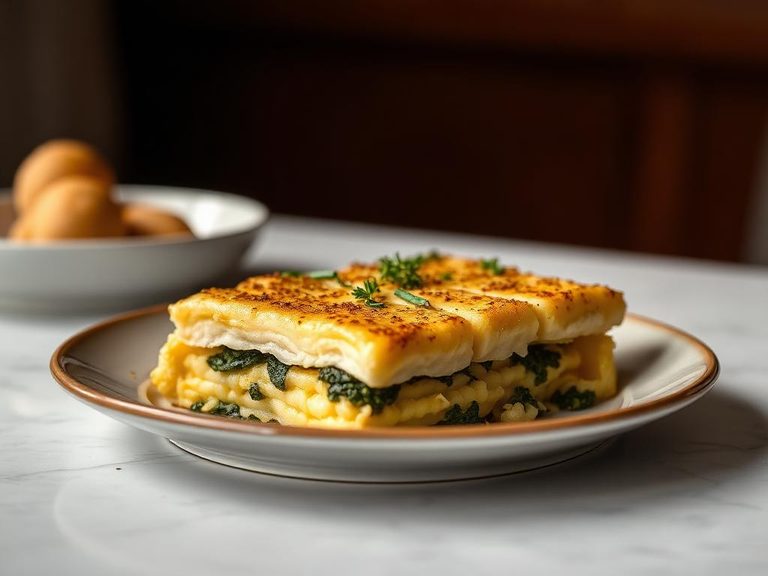
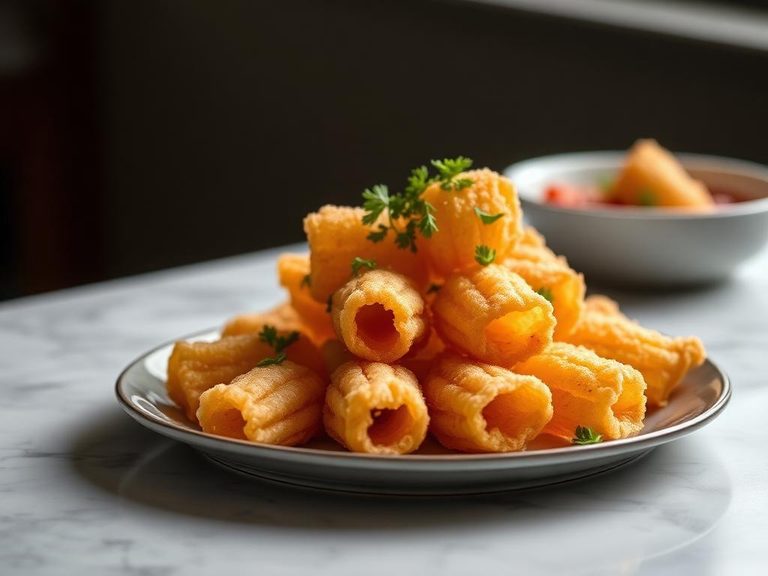
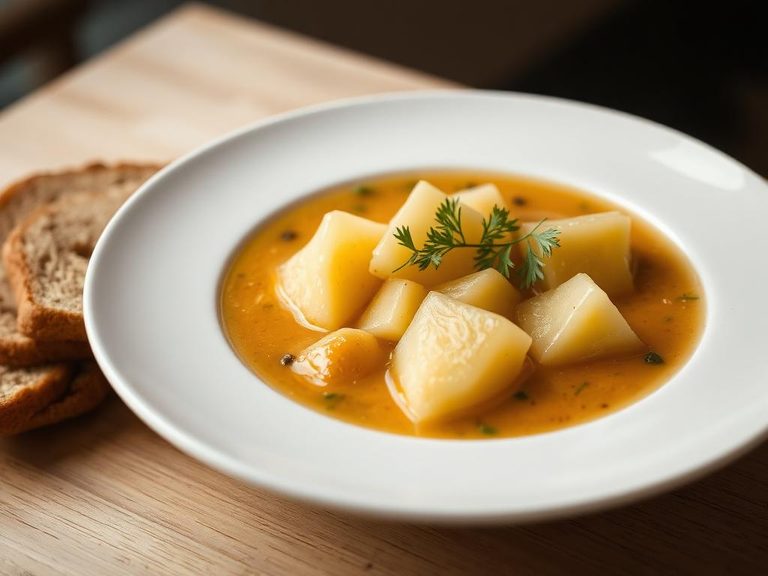
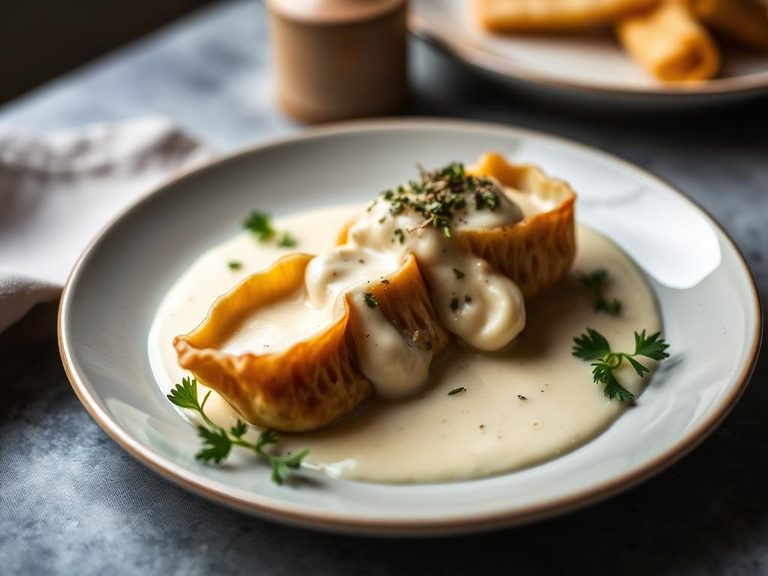
People love cardoons for their complex, savory flavor that elevates stews, gratins, and fried dishes, often compared to a more sophisticated celery or artichoke. It's a cherished ingredient in Mediterranean and Italian cuisine, where its unique taste and texture are celebrated in traditional recipes.
⚠️ Watch-outs & how to enjoy it better
The natural bitterness of cardoons can be off-putting to some, and they require careful preparation (peeling and soaking) to reduce it. Those watching sodium intake should be cautious, as the cooking method often involves salted water; using a low-sodium broth or rinsing after boiling can help mitigate this.
Key benefits
- Very low in calories (20 kcal/100g).
- Good source of dietary fiber (1.7g/100g) for digestive health.
- Contains antioxidants like silymarin, similar to its cousin the artichoke.
- Provides essential minerals such as potassium and magnesium.
- Low in fat (0.11g/100g) and sugar (0g/100g).
🍽️ Popular dishes
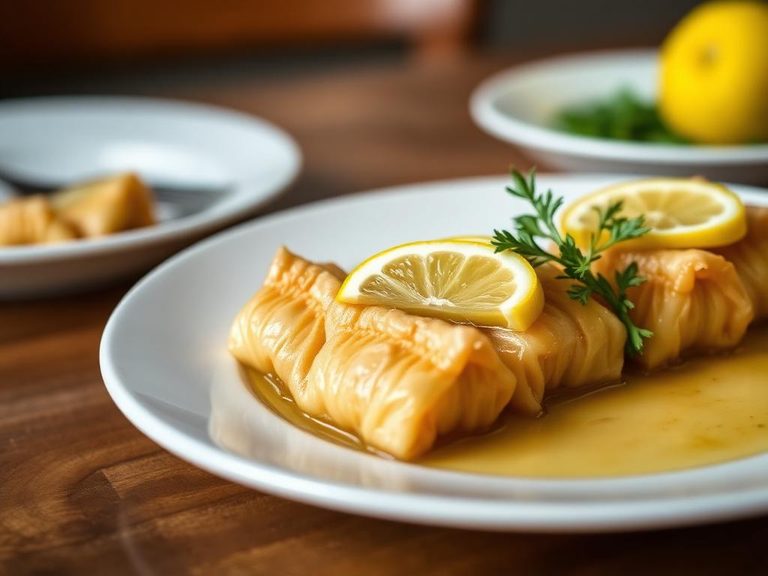
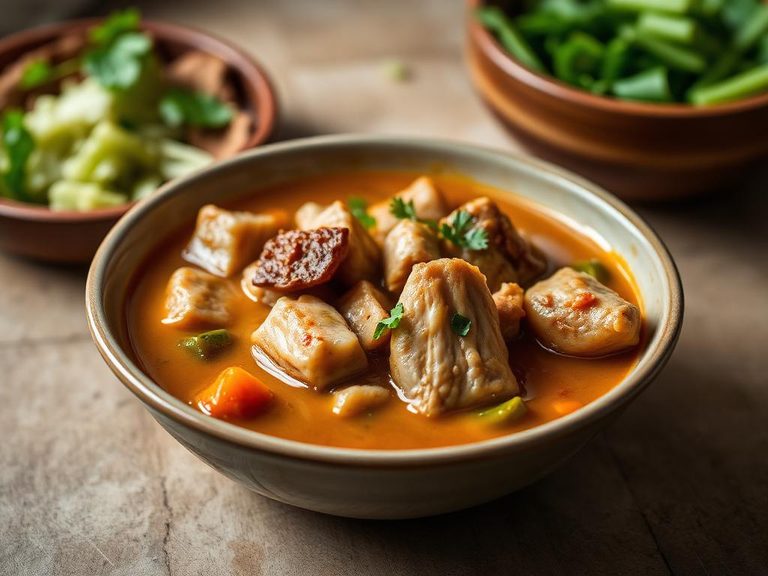
🌍 Where it's eaten
💡 Did you know?
Cardoons were historically used as a natural diuretic and liver tonic, and in some regions, they were even believed to ward off evil spirits when hung in doorways.
Full nutrition (USDA data · scales with serving)
| Water | 93.5 g |
| Energy | 20.0 kcal |
| Energy | 82.0 kj |
| Protein | 0.76 g |
| Total lipid (fat) | 0.11 g |
| Ash | 0.93 g |
| Carbohydrate, by difference | 4.7 g |
| Fiber, total dietary | 1.7 g |
| Calcium, Ca | 72.0 mg |
| Iron, Fe | 0.73 mg |
| Magnesium, Mg | 43.0 mg |
| Phosphorus, P | 23.0 mg |
| Potassium, K | 392 mg |
| Sodium, Na | 412 mg |
| Zinc, Zn | 0.18 mg |
| Copper, Cu | 0.03 mg |
| Manganese, Mn | 0.13 mg |
| Selenium, Se | 1.0 ug |
| Vitamin C, total ascorbic acid | 1.7 mg |
| Thiamin | 0.02 mg |
| Riboflavin | 0.03 mg |
| Niacin | 0.29 mg |
| Pantothenic acid | 0.10 mg |
| Vitamin B-6 | 0.04 mg |
| Folate, total | 22.0 ug |
| Folic acid | 0.00 ug |
| Folate, food | 22.0 ug |
| Folate, DFE | 22.0 ug |
| Vitamin B-12 | 0.00 ug |
| Vitamin A, RAE | 0.00 ug |
| Retinol | 0.00 ug |
| Vitamin A, IU | 0.00 iu |
| Vitamin D (D2 + D3), International Units | 0.00 iu |
| Vitamin D (D2 + D3) | 0.00 ug |
Fat & fatty acid profile (per 100g)
| Fatty acids, total saturated | 0.01 g |
| SFA 16:0 | 0.01 g |
| SFA 18:0 | 0.00 g |
| Fatty acids, total monounsaturated | 0.02 g |
| MUFA 16:1 | 0.00 g |
| MUFA 18:1 | 0.02 g |
| MUFA 20:1 | 0.00 g |
| Fatty acids, total polyunsaturated | 0.04 g |
| PUFA 18:2 | 0.04 g |
| Fatty acids, total trans | 0.00 g |
| Cholesterol | 0.00 mg |
FAQ
What does cardoon taste like?
Cardoon has a flavor similar to artichoke hearts but with a more pronounced, earthy bitterness and a celery-like crunch. When cooked, it becomes tender and nutty.
How do you prepare cardoons to reduce bitterness?
Peel the tough outer strings, slice the stalks, and soak them in cold water with a splash of lemon juice or vinegar for at least 30 minutes. Boiling in salted water also helps mellow the flavor.
Is cardoon a good source of fiber?
Yes, cardoon provides 1.7g of fiber per 100g, which supports digestive health and helps you feel full without adding many calories.
Can I eat cardoons raw?
While possible, raw cardoons are quite tough and bitter. They are most commonly cooked—boiled, braised, or fried—to soften their texture and reduce bitterness.
Nutrient density (calculated · NRF9.3)
Nutrient Rich Foods index: beneficial nutrients (protein, fiber, vitamins, minerals) minus saturated fat, added sugar & sodium, per 100 kcal.
NRF9.3 index — Fulgoni, Keast & Drewnowski, 2009. Computed from USDA nutrients.
Weight-loss friendliness (composite index)
Energy density 0.20 kcal/g · 15% calories from protein · 1.7 g fiber · 0.0 g sugar per 100 g.
Composite of energy density (Rolls et al., 1999), protein & fiber satiety, minus sugar. A calculated heuristic — ranks satiety-per-calorie, not a clinical measure.
Dietary load (calculated from USDA values)
Potential renal acid load. Positive = acid-forming, negative = alkaline-forming.
Sodium-to-potassium ratio: 1.05 (lower is better — aim for ≤ 1)
Sodium:potassium per WHO potassium guidance. Computed from USDA nutrients.