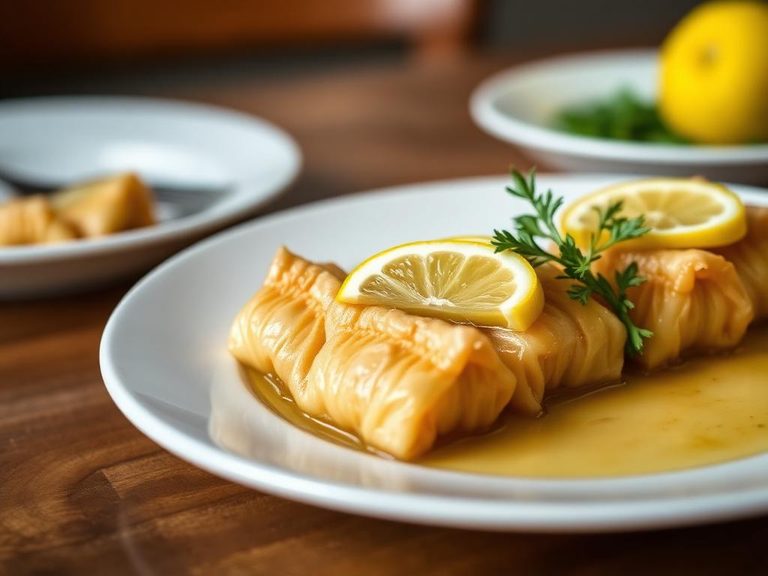
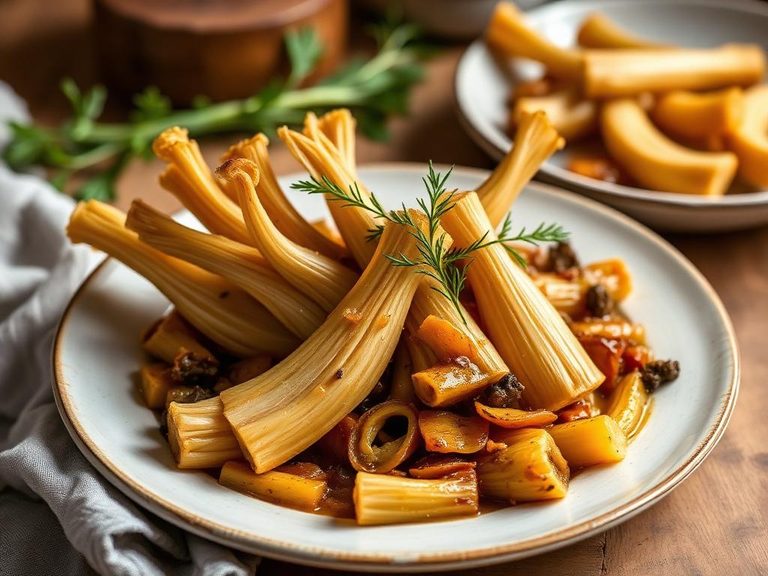
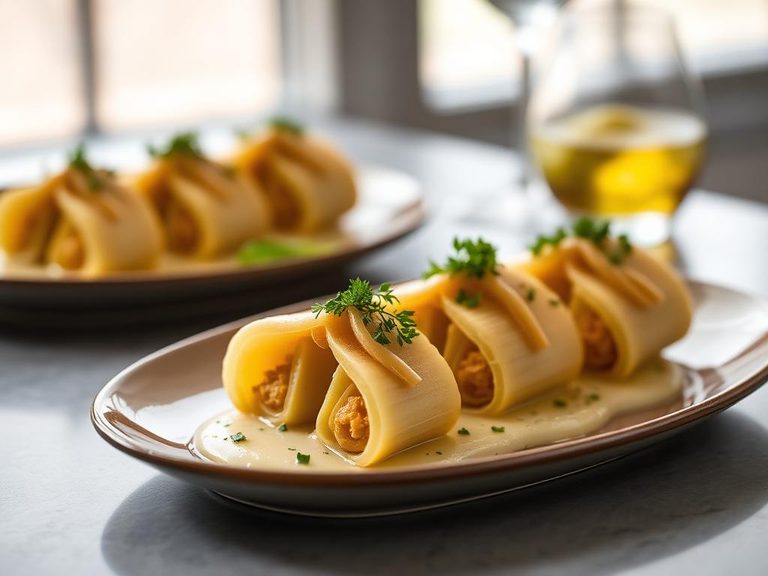
Fried Cardoons
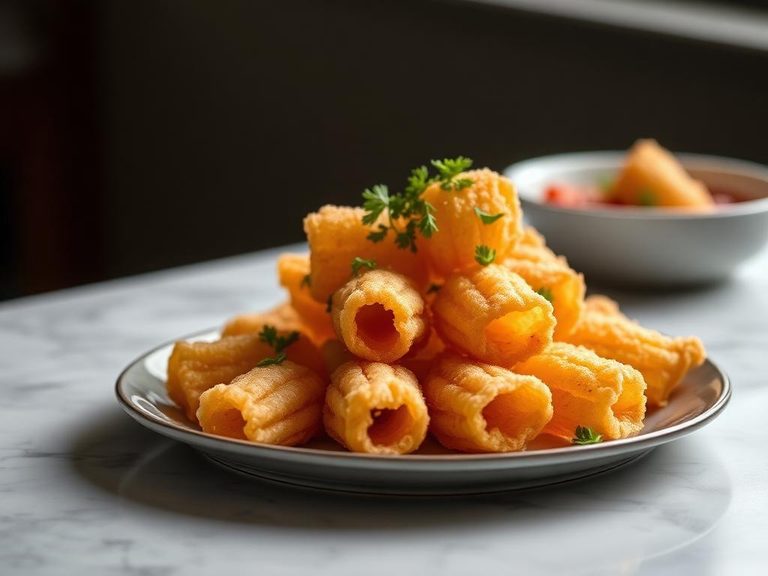
Fried Cardoons are a traditional Mediterranean dish, particularly popular in Spain and Italy, where the thistle-like stalks of the cardoon plant are battered and deep-fried until golden and crispy. The dish typically involves cleaning the fibrous stalks, blanching them, and then coating them in a light batter or breadcrumbs before frying. It's often served as a tapa, appetizer, or side dish, sometimes accompanied by a squeeze of lemon or a simple garlic aioli.
🍽️ Nutrition at a glance
Fried cardoons are a moderate-calorie dish, primarily providing dietary fiber and essential minerals like potassium and magnesium, with a relatively low protein and fat content depending on the batter. A typical serving of about one cup (180g) contains roughly 150-200 calories, with the majority of the calories coming from the frying oil and any batter used.
Nutrition breakdown
| Calories | 175 kcal |
| Protein | 2.5 g |
| Carbs | 18 g |
| Fat | 11 g |
| Fiber | 6 g |
| Sugar | 2 g |
| Sodium | 290 mg |
| Potassium | 450 mg |
| Magnesium | 40 mg |
| Calcium | 55 mg |
| Vitamin C | 10 mg |
| Folate | 35 µg |
| Vitamin K | 15 µg |
| Iron | 1.2 mg |
| Manganese | 0.3 mg |
Per 1 cup (180 g) · estimated, varies by recipe
💡 What's interesting
Cardoons are a member of the thistle family and are related to the artichoke, but they are cultivated for their edible stalks rather than their flower buds. Nutritionally, they are a good source of antioxidants and have been traditionally used in some cultures as a digestive aid.