

Oscar Mayer, Ham (chopped with natural juice)
Whole food · Sausages and Luncheon Meats

Photo: Wikipedia
This is finely chopped, cooked ham packed in its own savory natural juices, delivering a moist, tender texture and a classic salty-smoky flavor. It's a protein powerhouse, with over 16g per 100g serving, making it a quick and convenient way to boost the protein content of any meal.
Calorie split: 36% protein · 8% carbs · 56% fat
↓ Full nutrition💚 Why it's loved
People adore its savory, umami-rich flavor and the incredible convenience it offers for quick meals. Its versatility makes it a staple for everything from classic sandwiches and omelets to salads and pizza toppings.
⚠️ Watch-outs & how to enjoy it better
The primary concern is its high sodium content, which can be problematic for those managing blood pressure or fluid retention. To counteract this, pair it with potassium-rich foods like leafy greens or avocado, and be mindful of portion sizes. It's also a processed meat, so some may choose to consume it in moderation.
Key benefits
- High in complete protein for muscle maintenance
- Very low in carbohydrates, suitable for low-carb diets
- Source of B vitamins like thiamine and niacin
- Convenient, pre-cooked protein source
- Provides essential minerals like zinc and selenium
🍽️ Popular dishes
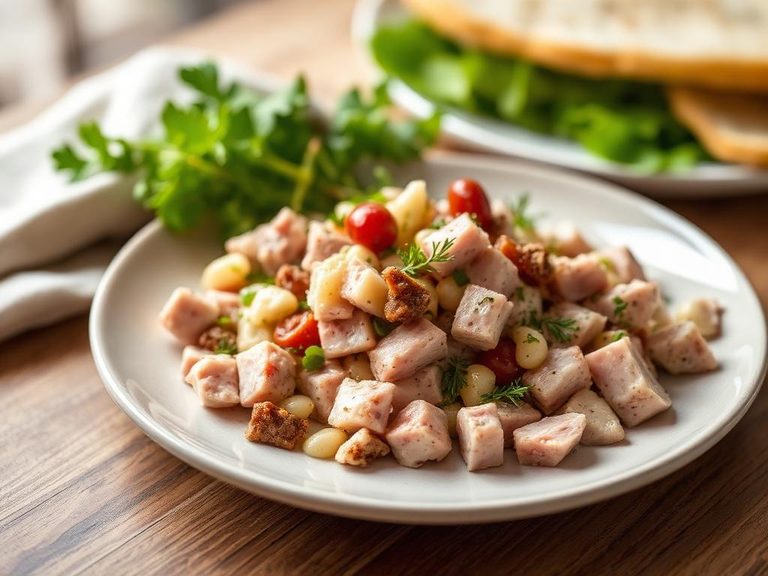

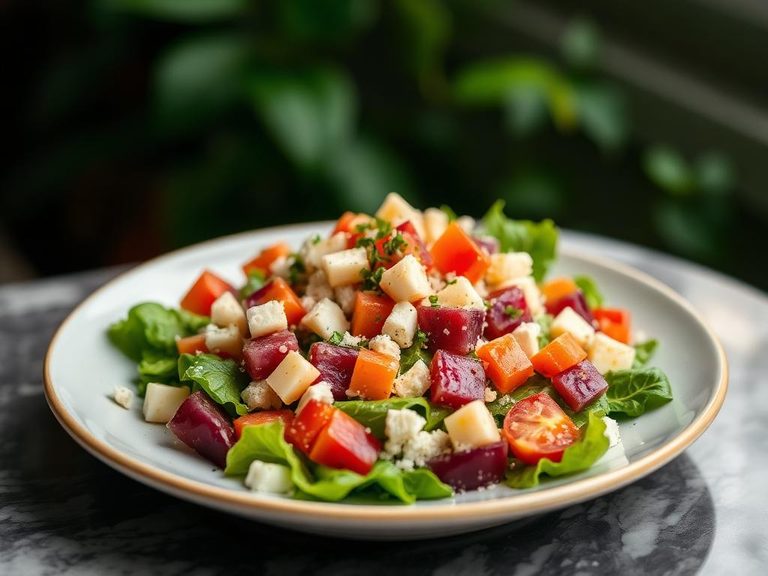


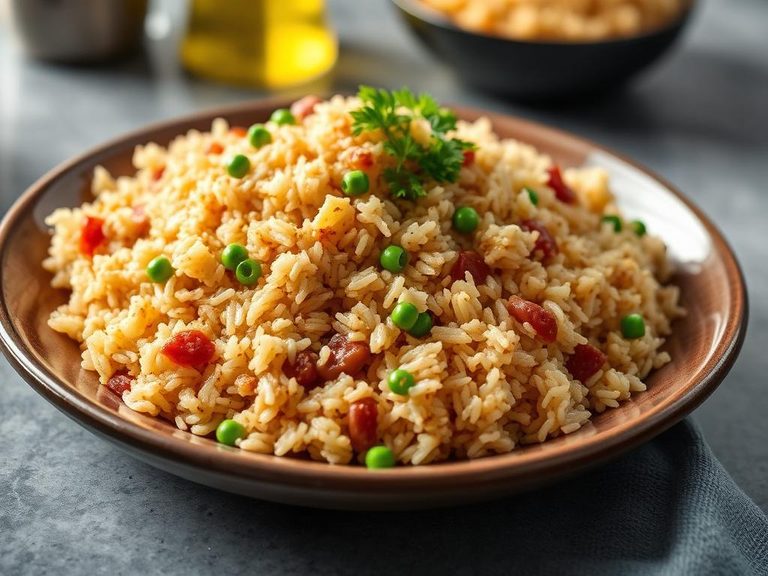
🌍 Where it's eaten
💡 Did you know?
The iconic Oscar Mayer Wienermobile, a vehicle shaped like a giant hot dog, was first built in 1936 and has been a promotional symbol for the brand's meats for decades.
Full nutrition (USDA data · scales with serving)
| Water | 65.3 g |
| Energy | 180 kcal |
| Energy | 754 kj |
| Protein | 16.3 g |
| Total lipid (fat) | 11.2 g |
| Ash | 3.6 g |
| Carbohydrate, by difference | 3.6 g |
| Fiber, total dietary | 0.00 g |
| Total Sugars | 2.2 g |
| Calcium, Ca | 9.0 mg |
| Iron, Fe | 1.3 mg |
| Magnesium, Mg | 23.0 mg |
| Phosphorus, P | 219 mg |
| Potassium, K | 260 mg |
| Sodium, Na | 1249 mg |
| Zinc, Zn | 2.3 mg |
| Copper, Cu | 0.24 mg |
| Vitamin C, total ascorbic acid | 0.00 mg |
| Folate, total | 3.0 ug |
| Folic acid | 0.00 ug |
| Folate, food | 3.0 ug |
| Folate, DFE | 3.0 ug |
| Vitamin A, RAE | 0.00 ug |
| Retinol | 0.00 ug |
| Carotene, beta | 0.00 ug |
| Carotene, alpha | 0.00 ug |
| Cryptoxanthin, beta | 0.00 ug |
| Vitamin A, IU | 0.00 iu |
| Lycopene | 0.00 ug |
| Lutein + zeaxanthin | 0.00 ug |
| Alcohol, ethyl | 0.00 g |
| Caffeine | 0.00 mg |
| Theobromine | 0.00 mg |
Fat & fatty acid profile (per 100g)
| Fatty acids, total saturated | 4.1 g |
| SFA 12:0 | 0.02 g |
| SFA 14:0 | 0.17 g |
| SFA 16:0 | 2.7 g |
| SFA 18:0 | 1.2 g |
| Fatty acids, total monounsaturated | 5.8 g |
| MUFA 16:1 | 0.38 g |
| MUFA 18:1 | 5.5 g |
| Fatty acids, total polyunsaturated | 1.3 g |
| PUFA 18:2 | 1.2 g |
| PUFA 18:3 | 0.07 g |
| Cholesterol | 59.0 mg |
FAQ
Is this ham fully cooked and ready to eat?
Yes, as a pre-packaged, cooked product, it is safe to eat directly from the package. Heating is optional and typically done to enhance flavor or temperature.
What is the difference between 'chopped ham' and regular sliced ham?
Chopped ham is made from smaller pieces of ham that are seasoned, cooked, and pressed together, often resulting in a more uniform texture and making it ideal for salads, sandwiches, and recipes where a consistent, fine chop is desired.
How should I store it after opening?
Once opened, transfer any unused ham to an airtight container and consume it within 3-5 days. Freezing is also an option for longer storage, up to 1-2 months.
Nutrient density (calculated · NRF9.3)
Nutrient Rich Foods index: beneficial nutrients (protein, fiber, vitamins, minerals) minus saturated fat, added sugar & sodium, per 100 kcal.
NRF9.3 index — Fulgoni, Keast & Drewnowski, 2009. Computed from USDA nutrients.
Weight-loss friendliness (composite index)
Energy density 1.80 kcal/g · 36% calories from protein · 0.0 g fiber · 2.2 g sugar per 100 g.
Composite of energy density (Rolls et al., 1999), protein & fiber satiety, minus sugar. A calculated heuristic — ranks satiety-per-calorie, not a clinical measure.
Dietary load (calculated from USDA values)
Potential renal acid load. Positive = acid-forming, negative = alkaline-forming.
Sodium-to-potassium ratio: 4.80 (lower is better — aim for ≤ 1)
Sodium:potassium per WHO potassium guidance. Computed from USDA nutrients.