

Fish, whitefish, mixed species, raw (Alaska Native)
Whole food · American Indian/Alaska Native Foods
Alaska Native mixed whitefish is a lean, pristine protein harvested from the cold, clear waters of the North. Its flesh is delicate and flaky with a mild, clean flavor that carries a subtle sweetness, making it a canvas for a variety of preparations. With nearly 19 grams of protein and zero carbohydrates per 100 grams, it is an exceptionally nutrient-dense, low-calorie food.
Calorie split: 58% protein · 0% carbs · 42% fat
↓ Full nutrition💚 Why it's loved
People love this fish for its incredibly versatile, mild flavor that doesn't overpower other ingredients, making it perfect for everything from simple pan-sears to complex stews. In Alaska Native cultures, it is a cherished traditional food, valued for its sustenance and connection to the land and sea.
⚠️ Watch-outs & how to enjoy it better
As a lean fish, it can dry out quickly if overcooked, which can make it unappealing. A potential downside is the risk of environmental contaminants like mercury, so it's wise to source from reputable fisheries and vary fish types. To counteract dryness, cook it gently (poach, steam, or bake en papillote) and pair it with a healthy fat like olive oil or a flavorful sauce.
Key benefits
- Excellent source of high-quality, complete protein for muscle maintenance.
- Virtually fat-free, with only 6.1g of fat per 100g, supporting heart health.
- Zero carbohydrates and sugars, ideal for low-carb and ketogenic diets.
- Rich in essential nutrients like selenium and B vitamins, crucial for energy metabolism.
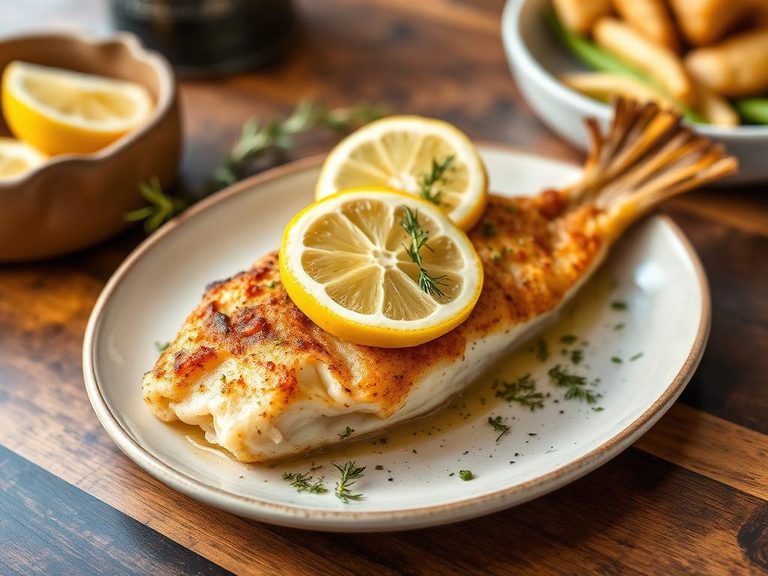
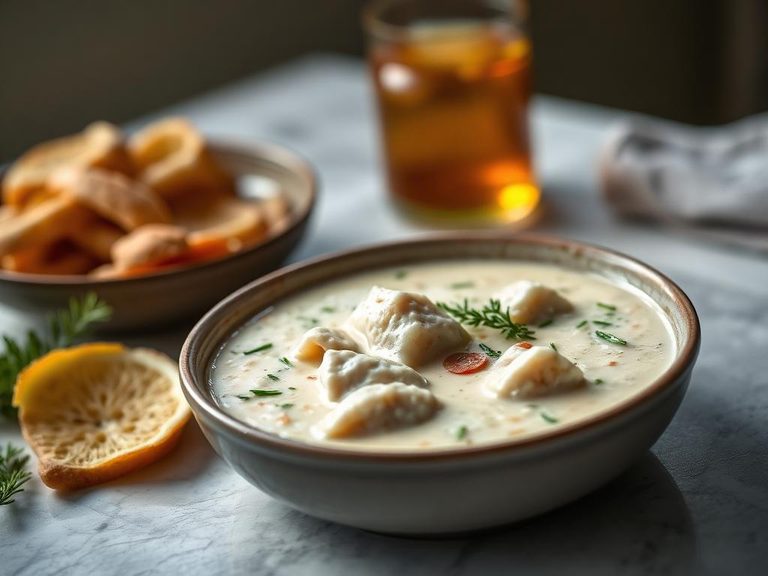
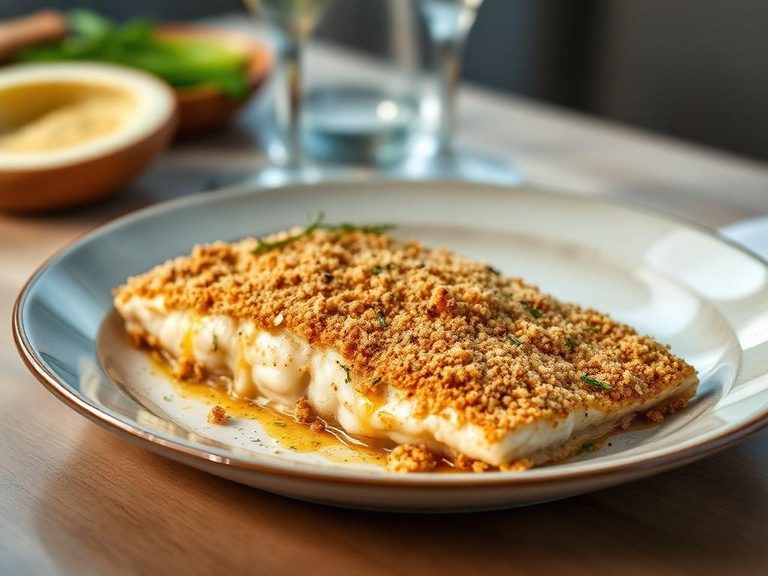
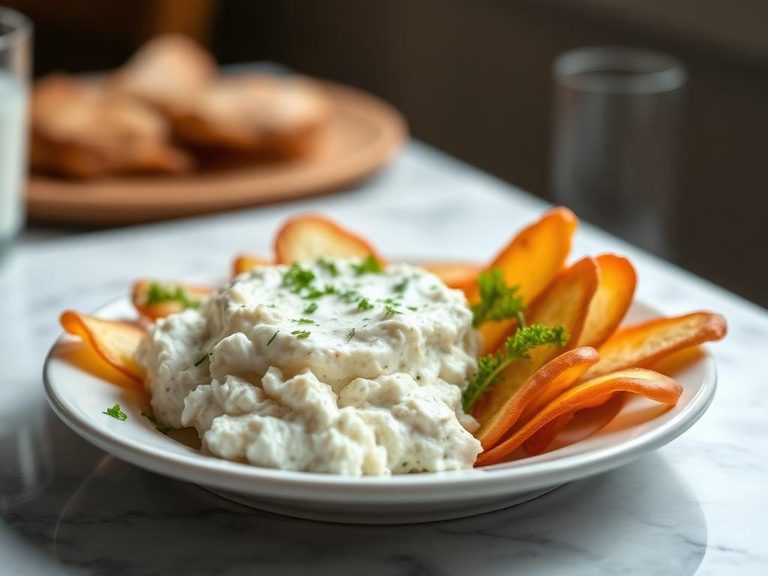
🍽️ Popular dishes
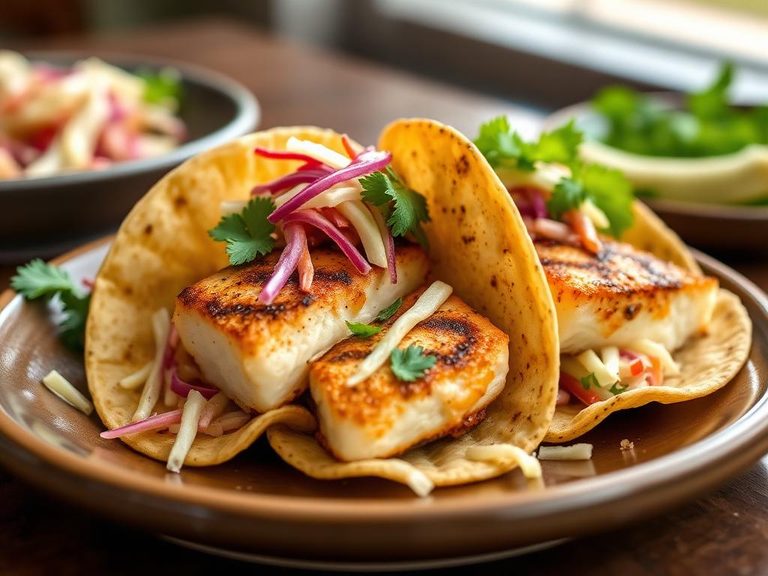
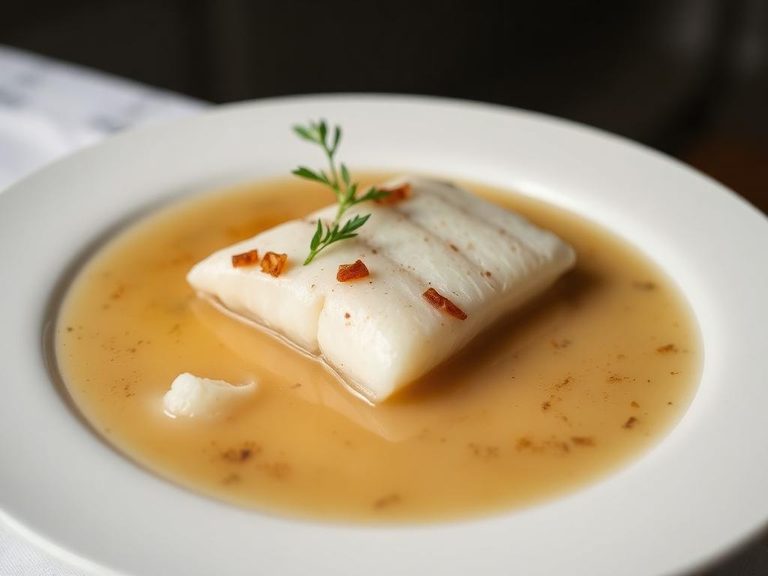
🌍 Where it's eaten
💡 Did you know?
The term 'whitefish' in Alaska often refers to species like Pacific cod, pollock, or hake, but in the Great Lakes region, it specifically means the lake whitefish, a distinct and prized species.
Full nutrition (USDA data · scales with serving)
| Water | 72.8 g |
| Energy | 131 kcal |
| Energy | 546 kj |
| Protein | 18.9 g |
| Total lipid (fat) | 6.1 g |
| Ash | 2.2 g |
| Carbohydrate, by difference | 0.00 g |
| Iron, Fe | 0.29 mg |
| Magnesium, Mg | 33.0 mg |
| Phosphorus, P | 280 mg |
| Potassium, K | 317 mg |
| Sodium, Na | 51.0 mg |
| Zinc, Zn | 0.99 mg |
| Copper, Cu | 0.07 mg |
| Thiamin | 0.13 mg |
| Riboflavin | 0.13 mg |
| Vitamin A, IU | 540 iu |
Fat & fatty acid profile (per 100g)
| Fatty acids, total saturated | 1.4 g |
| Fatty acids, total monounsaturated | 2.6 g |
| Fatty acids, total polyunsaturated | 1.8 g |
| PUFA 18:2 | 0.29 g |
| PUFA 18:3 | 0.24 g |
| Cholesterol | 55.0 mg |
Amino acid profile (per 100g)
Estimated from Fish, halibut, raw, with skin (Alaska Native) — USDA does not publish this profile for Fish.
| Tryptophan | 0.31 g |
| Threonine | 0.95 g |
| Isoleucine | 0.94 g |
| Leucine | 1.6 g |
| Lysine | 1.8 g |
| Methionine | 0.80 g |
| Cystine | 0.35 g |
| Phenylalanine | 0.82 g |
| Tyrosine | 0.70 g |
| Valine | 1.0 g |
| Arginine | 1.2 g |
| Histidine | 0.50 g |
| Alanine | 1.2 g |
| Aspartic acid | 2.8 g |
| Glutamic acid | 3.2 g |
| Glycine | 0.93 g |
| Proline | 0.73 g |
| Serine | 0.91 g |
| Hydroxyproline | 0.18 g |
FAQ
What does raw whitefish taste like?
Raw whitefish has a very mild, clean, and slightly sweet flavor with a firm, smooth texture. It is not 'fishy' and is often compared to a delicate, flaky meat.
Is whitefish a good source of omega-3s?
While it contains some omega-3 fatty acids, it is a lean fish and has significantly less than fatty fish like salmon or mackerel. It is still a healthy choice for its protein and other nutrients.
How can I tell if whitefish is fresh?
Look for flesh that is translucent and firm, with a mild, ocean-like smell. Avoid fish with a strong, ammonia-like odor or flesh that looks dull, mushy, or has excessive liquid.
Weight-loss friendliness (composite index)
Energy density 1.31 kcal/g · 58% calories from protein · 0.0 g fiber · 0.0 g sugar per 100 g.
Composite of energy density (Rolls et al., 1999), protein & fiber satiety, minus sugar. A calculated heuristic — ranks satiety-per-calorie, not a clinical measure.
Dietary load (calculated from USDA values)
Potential renal acid load. Positive = acid-forming, negative = alkaline-forming.
Sodium-to-potassium ratio: 0.16 (lower is better — aim for ≤ 1)
Sodium:potassium per WHO potassium guidance. Computed from USDA nutrients.