

Dandelion greens, cooked, boiled, drained, with salt
Whole food · Vegetables and Vegetable Products

Photo: Wikipedia
Cooked dandelion greens are a tender, dark leafy vegetable with a pronounced, pleasantly bitter flavor and a soft, slightly chewy texture. Nutritionally, they are a standout for their high vitamin K content and are a good source of vitamins A and C, along with minerals like iron and calcium. Their low calorie count and significant fiber content make them a nutrient-dense addition to a meal.
Calorie split: 21% protein · 66% carbs · 14% fat
↓ Full nutrition💚 Why it's loved
People love dandelion greens for their bold, earthy bitterness that cuts through rich dishes, adding a complex flavor profile. They are cherished in many cuisines as a versatile green that can be sautéed, braised, or added to soups, offering a nutritious and foraged feel to home cooking.
⚠️ Watch-outs & how to enjoy it better
The strong bitterness can be off-putting to some palates, and the high vitamin K content requires caution for individuals on blood-thinning medications like warfarin. To temper the bitterness, blanch the greens in a large pot of boiling water for a minute before sautéing, or pair them with acidic ingredients like lemon juice or vinegar, which brighten the flavor and balance the bite.
Key benefits
- Excellent source of vitamin K for bone health
- Good source of vitamins A and C
- Provides dietary fiber for digestive health
- Contains minerals like iron and calcium
- Low in calories and carbohydrates
🍽️ Popular dishes
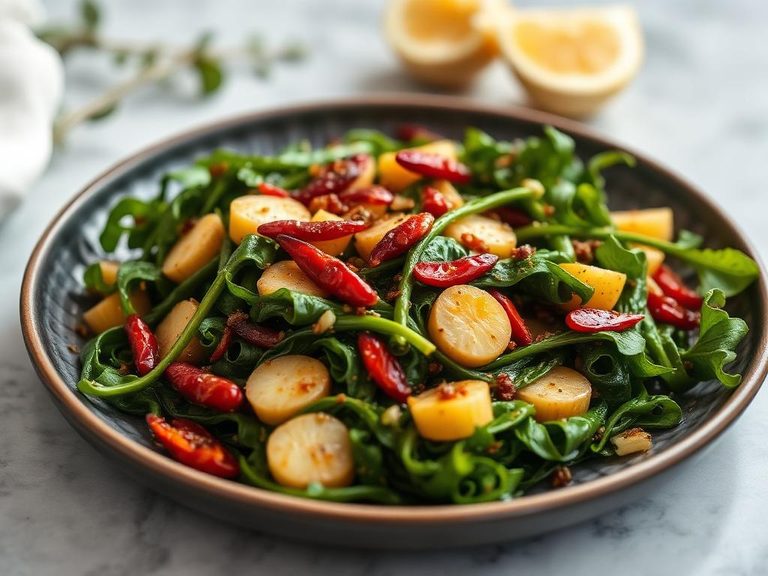
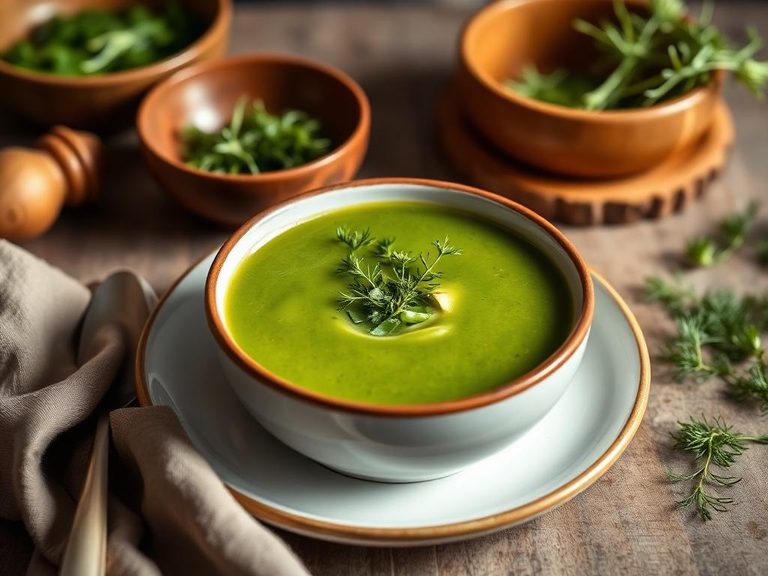
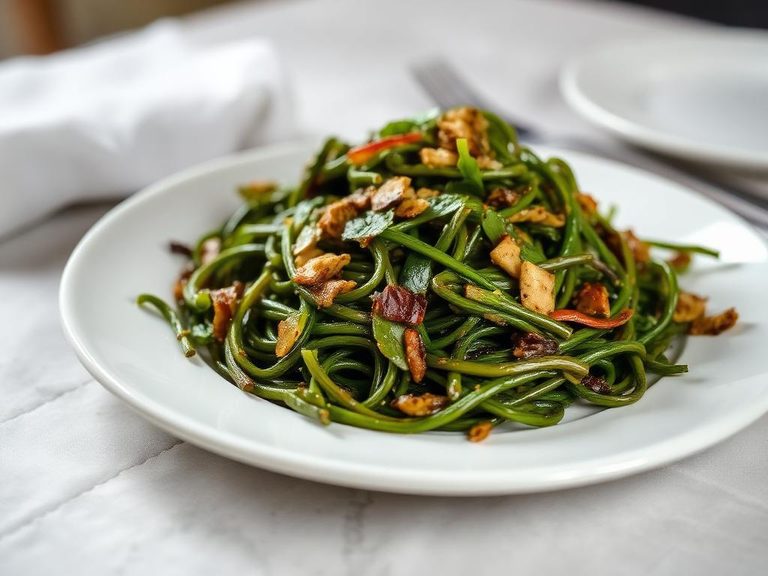
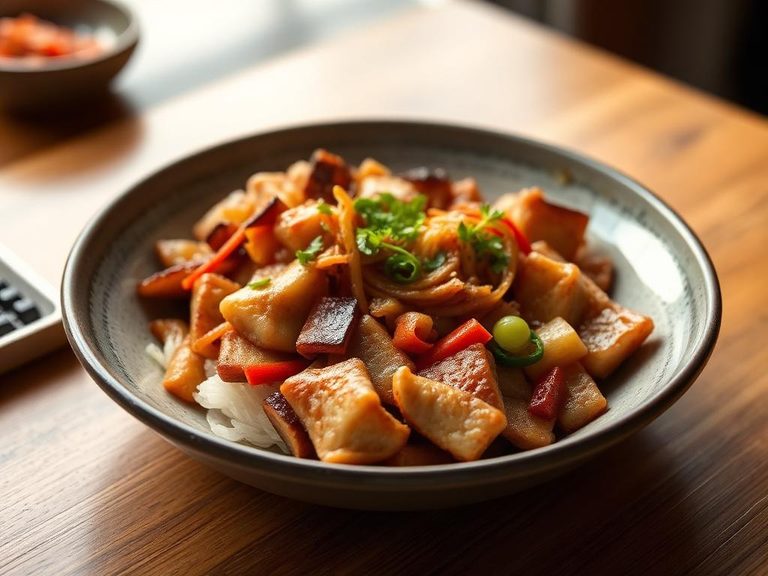
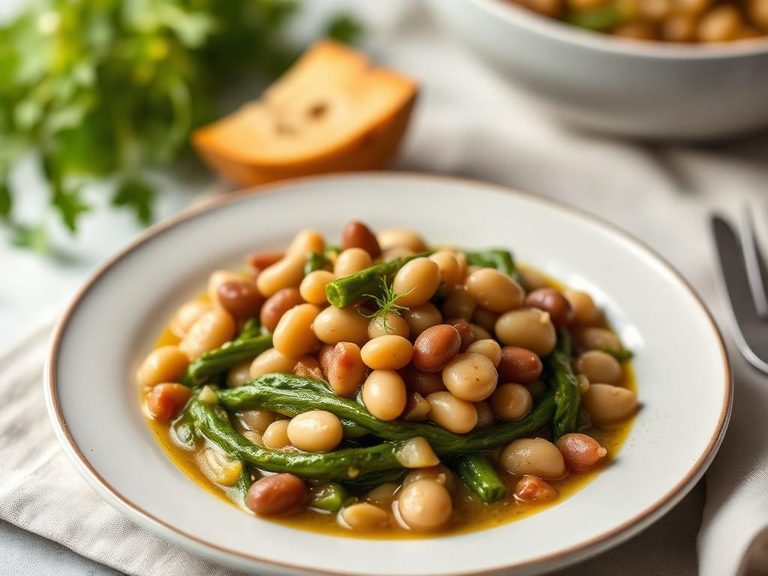
🌍 Where it's eaten
💡 Did you know?
Dandelion greens are one of the few common vegetables where every part of the plant—leaf, root, and flower—is edible and has been used in traditional cuisine and herbal preparations for centuries.
Full nutrition (USDA data · scales with serving)
| Water | 89.8 g |
| Energy | 33.0 kcal |
| Energy | 138 kj |
| Protein | 2.0 g |
| Total lipid (fat) | 0.60 g |
| Ash | 1.2 g |
| Carbohydrate, by difference | 6.4 g |
| Fiber, total dietary | 2.9 g |
| Total Sugars | 1.6 g |
| Calcium, Ca | 140 mg |
| Iron, Fe | 1.8 mg |
| Magnesium, Mg | 24.0 mg |
| Phosphorus, P | 42.0 mg |
| Potassium, K | 232 mg |
| Sodium, Na | 280 mg |
| Zinc, Zn | 0.28 mg |
| Copper, Cu | 0.12 mg |
| Manganese, Mn | 0.23 mg |
| Selenium, Se | 0.30 ug |
| Vitamin C, total ascorbic acid | 18.0 mg |
| Thiamin | 0.13 mg |
| Riboflavin | 0.17 mg |
| Niacin | 0.51 mg |
| Pantothenic acid | 0.06 mg |
| Vitamin B-6 | 0.16 mg |
| Folate, total | 13.0 ug |
| Folic acid | 0.00 ug |
| Folate, food | 13.0 ug |
| Folate, DFE | 13.0 ug |
| Choline, total | 27.6 mg |
| Vitamin B-12 | 0.00 ug |
| Vitamin B-12, added | 0.00 ug |
| Vitamin A, RAE | 727 ug |
| Retinol | 0.00 ug |
| Carotene, beta | 8727 ug |
| Carotene, alpha | 0.00 ug |
| Cryptoxanthin, beta | 0.00 ug |
| Vitamin A, IU | 14544 iu |
| Lycopene | 0.00 ug |
| Lutein + zeaxanthin | 3398 ug |
| Vitamin E (alpha-tocopherol) | 0.60 mg |
| Vitamin E, added | 0.00 mg |
| Vitamin D (D2 + D3), International Units | 0.00 iu |
| Vitamin D (D2 + D3) | 0.00 ug |
| Vitamin K (phylloquinone) | 359 ug |
Fat & fatty acid profile (per 100g)
| Fatty acids, total trans | 0.00 g |
| Cholesterol | 0.00 mg |
FAQ
Are dandelion greens the same as the weeds in my lawn?
Yes, they are from the same plant (Taraxacum officinale), but culinary dandelion greens are typically harvested when young and tender from designated patches, not from lawns that may have been treated with pesticides or herbicides.
How do I reduce the bitterness before cooking?
A quick blanch in boiling water for 30-60 seconds, followed by an ice bath, can mellow the bitterness. You can also sauté them with garlic, olive oil, and a splash of lemon juice or vinegar to balance the flavor.
Are there any parts of the plant I shouldn't eat?
While all parts are edible, the stem and flower base can be quite bitter and fibrous. For cooked greens, the leaves are the primary part used. Always ensure you are harvesting from areas free of chemical treatments.
Nutrient density (calculated · NRF9.3)
Nutrient Rich Foods index: beneficial nutrients (protein, fiber, vitamins, minerals) minus saturated fat, added sugar & sodium, per 100 kcal.
NRF9.3 index — Fulgoni, Keast & Drewnowski, 2009. Computed from USDA nutrients.
Weight-loss friendliness (composite index)
Energy density 0.33 kcal/g · 24% calories from protein · 2.9 g fiber · 1.6 g sugar per 100 g.
Composite of energy density (Rolls et al., 1999), protein & fiber satiety, minus sugar. A calculated heuristic — ranks satiety-per-calorie, not a clinical measure.
Dietary load (calculated from USDA values)
Potential renal acid load. Positive = acid-forming, negative = alkaline-forming.
Sodium-to-potassium ratio: 1.21 (lower is better — aim for ≤ 1)
Sodium:potassium per WHO potassium guidance. Computed from USDA nutrients.