

Crustaceans, shrimp, farm raised, raw
Whole food · Finfish and Shellfish Products
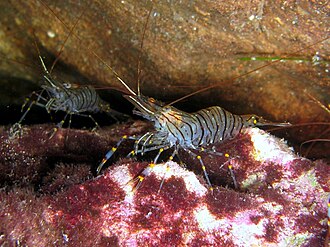
Photo: Wikipedia
Farm-raised shrimp are tender, sweet crustaceans with a clean, briny flavor and a firm, snappy texture when cooked. They are exceptionally lean, delivering a high dose of protein with minimal fat and virtually no carbohydrates. Their mild taste and quick-cooking nature make them a staple for healthy, versatile meals.
Calorie split: 87% protein · 3% carbs · 10% fat
↓ Full nutrition💚 Why it's loved
People love shrimp for its delicate sweetness and satisfying snap, which pairs beautifully with bold seasonings like garlic, chili, and citrus. Its incredible versatility allows it to be the star in everything from elegant cocktails to hearty stews, making it a global culinary favorite.
⚠️ Watch-outs & how to enjoy it better
Shrimp is a common allergen and can be high in sodium, especially if pre-treated with brine or preservatives. To counteract this, look for 'dry-packed' or 'chemical-free' shrimp, and pair it with potassium-rich vegetables like spinach or avocado to help balance sodium levels.
Key benefits
- High-quality, complete protein source
- Very low in calories and fat
- Rich in selenium and vitamin B12
- Contains astaxanthin, a potent antioxidant
- Quick and easy to prepare
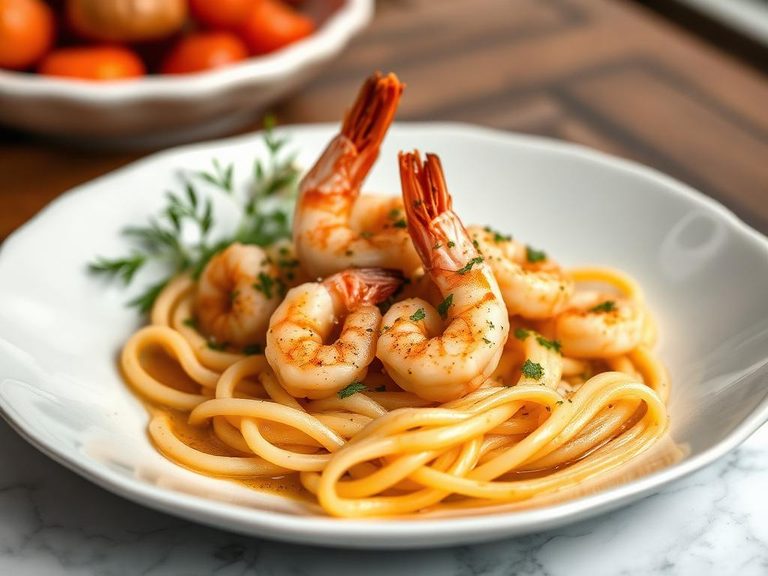
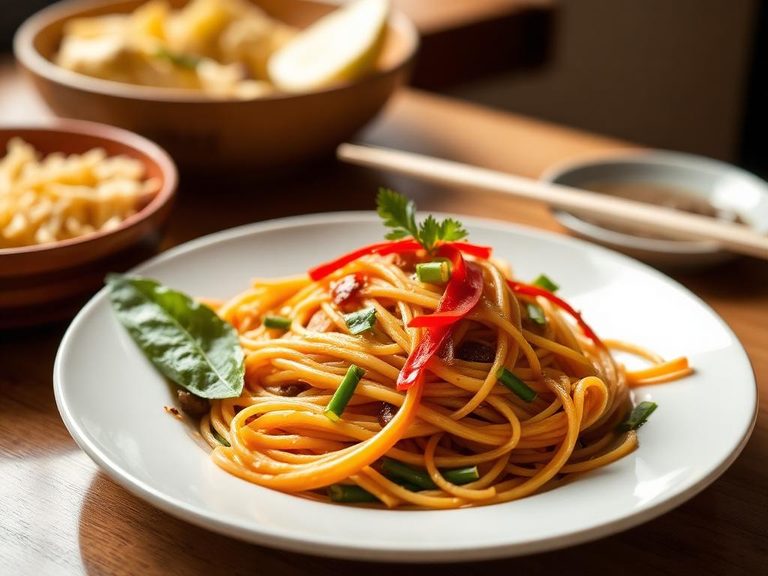
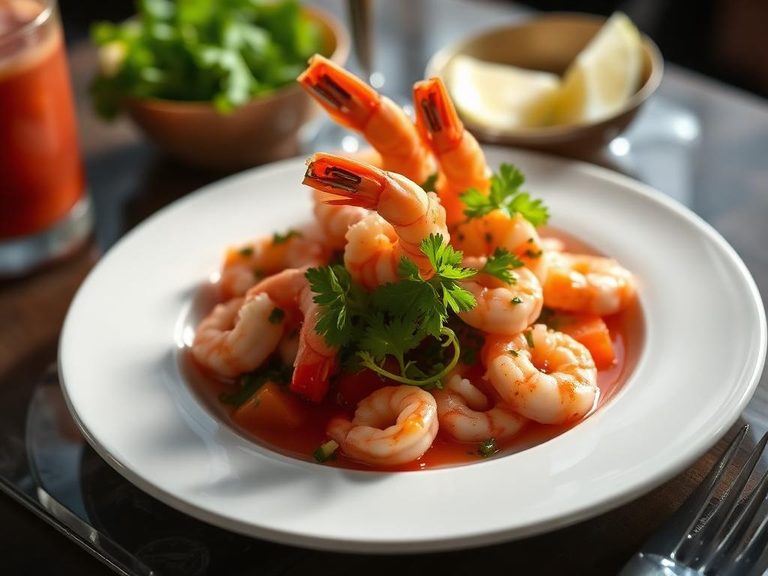
🍽️ Popular dishes
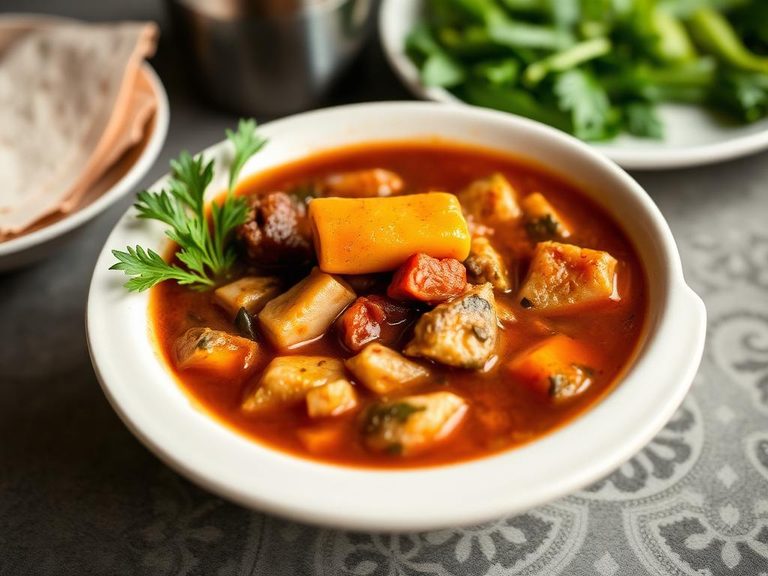
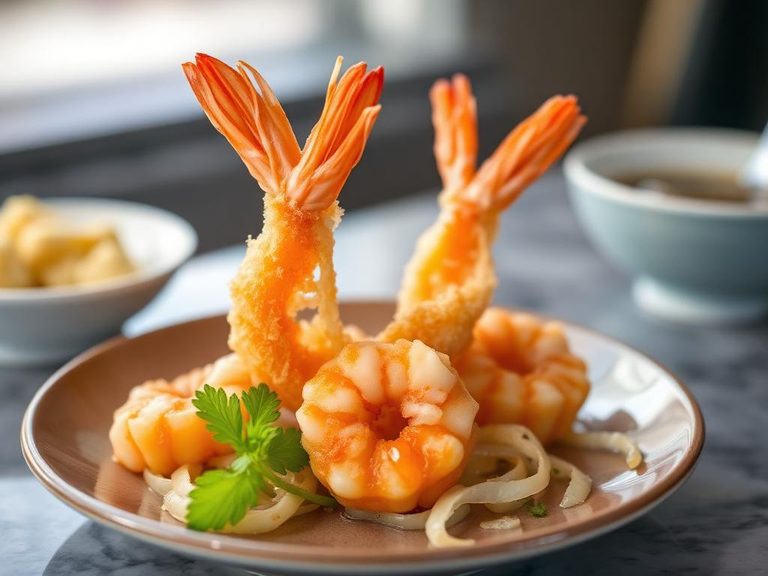
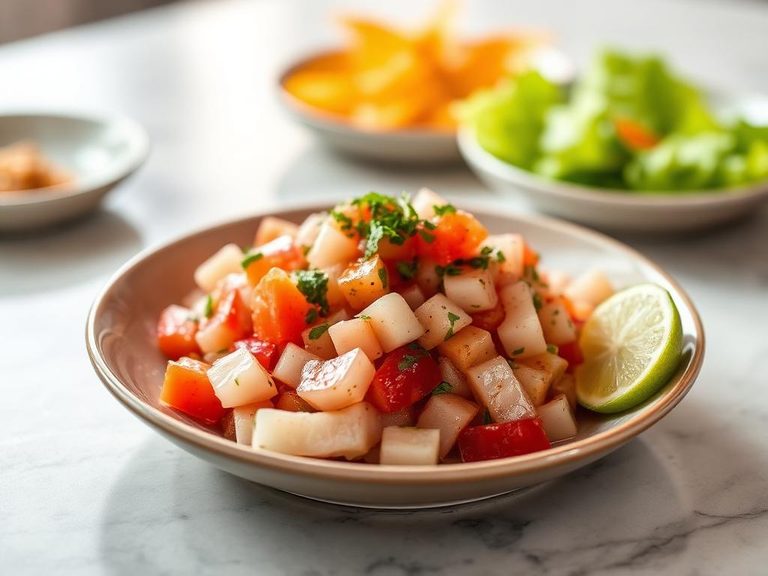
🌍 Where it's eaten
💡 Did you know?
Shrimp have their hearts located in their heads, and their blood is blue because it uses copper-based hemocyanin instead of iron-based hemoglobin to transport oxygen.
Full nutrition (USDA data · scales with serving)
| Water | 81.3 g |
| Energy (Atwater General Factors) | 71.4 kcal |
| Energy (Atwater Specific Factors) | 75.7 kcal |
| Nitrogen | 2.5 g |
| Protein | 15.6 g |
| Total lipid (fat) | 0.80 g |
| Ash | 1.9 g |
| Carbohydrate, by difference | 0.48 g |
| Calcium, Ca | 64.6 mg |
| Iron, Fe | 0.52 mg |
| Magnesium, Mg | 22.5 mg |
| Phosphorus, P | 191 mg |
| Potassium, K | 146 mg |
| Sodium, Na | 475 mg |
| Zinc, Zn | 0.94 mg |
| Copper, Cu | 0.21 mg |
| Manganese, Mn | 0.03 mg |
| Iodine, I | 13.6 ug |
| Selenium, Se | 19.5 ug |
| Vitamin B-12 | 1.00 ug |
| Retinol | 0.65 ug |
Fat & fatty acid profile (per 100g)
| Cholesterol | 136 mg |
Amino acid profile (per 100g)
Estimated from Crustaceans, crab, blue, crab cakes, home recipe — USDA does not publish this profile for Crustaceans.
| Tryptophan | 0.28 g |
| Threonine | 0.83 g |
| Isoleucine | 1.00 g |
| Leucine | 1.6 g |
| Lysine | 1.7 g |
| Methionine | 0.57 g |
| Cystine | 0.24 g |
| Phenylalanine | 0.87 g |
| Tyrosine | 0.68 g |
| Valine | 0.98 g |
| Arginine | 1.7 g |
| Histidine | 0.41 g |
| Alanine | 1.1 g |
| Aspartic acid | 2.1 g |
| Glutamic acid | 3.4 g |
| Glycine | 1.2 g |
| Proline | 0.68 g |
| Serine | 0.84 g |
FAQ
What is the difference between farm-raised and wild-caught shrimp?
Farm-raised shrimp are cultivated in controlled environments, often resulting in a milder flavor and more consistent size. Wild-caught shrimp typically have a firmer texture and a more pronounced, briny taste due to their natural diet and environment.
How should I store raw shrimp?
Keep raw shrimp in the coldest part of your refrigerator (around 32°F/0°C) and use it within 1-2 days. For longer storage, freeze it in an airtight container or vacuum-sealed bag for up to 3 months.
Why do shrimp turn pink when cooked?
Shrimp contain a pigment called astaxanthin, which is bound to a protein in their raw state. When heated, the protein denatures and releases the pigment, causing the shrimp to change from gray to a vibrant pink or orange color.
Nutrient density (calculated · NRF9.3)
Nutrient Rich Foods index: beneficial nutrients (protein, fiber, vitamins, minerals) minus saturated fat, added sugar & sodium, per 100 kcal.
NRF9.3 index — Fulgoni, Keast & Drewnowski, 2009. Computed from USDA nutrients.
Weight-loss friendliness (composite index)
Energy density 0.71 kcal/g · 87% calories from protein · 0.0 g fiber · 0.0 g sugar per 100 g.
Composite of energy density (Rolls et al., 1999), protein & fiber satiety, minus sugar. A calculated heuristic — ranks satiety-per-calorie, not a clinical measure.
Dietary load (calculated from USDA values)
Potential renal acid load. Positive = acid-forming, negative = alkaline-forming.
Sodium-to-potassium ratio: 3.25 (lower is better — aim for ≤ 1)
Sodium:potassium per WHO potassium guidance. Computed from USDA nutrients.