

Cattail, Narrow Leaf Shoots (Northern Plains Indians)
Whole food · American Indian/Alaska Native Foods

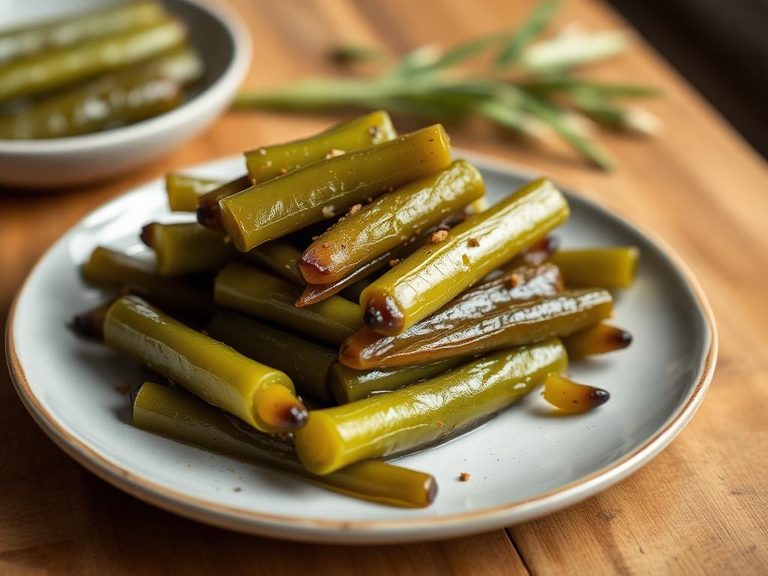
Photo: Wikipedia
Cattail narrow-leaf shoots are the tender, pale-green, spear-like inner leaves harvested from the base of the cattail plant in early spring. They offer a crisp, succulent texture with a mild, slightly sweet flavor reminiscent of cucumber and asparagus. Nutritionally, they are a low-calorie, high-fiber food with a notable amount of carbohydrates for a wild green.
Calorie split: 19% protein · 81% carbs · 0% fat
↓ Full nutrition💚 Why it's loved
People love cattail shoots for their unique, mild flavor that bridges the gap between vegetable and starch, and their satisfying crunch when eaten raw or lightly cooked. They are also cherished as a foraged food that connects people to traditional Indigenous and pioneer foodways.
⚠️ Watch-outs & how to enjoy it better
The shoots can be tough or fibrous if harvested too late in the season, and their mild flavor may be considered bland to some. To counteract toughness, harvest only young, tender shoots and peel away any outer leaves; to enhance flavor, pair them with bold seasonings like garlic, butter, or soy sauce.
Key benefits
- Excellent source of dietary fiber (4.5g per 100g).
- Very low in calories (25 kcal per 100g).
- Contains plant-based protein (1.18g per 100g).
- Naturally fat-free and low in sugar.
🍽️ Popular dishes
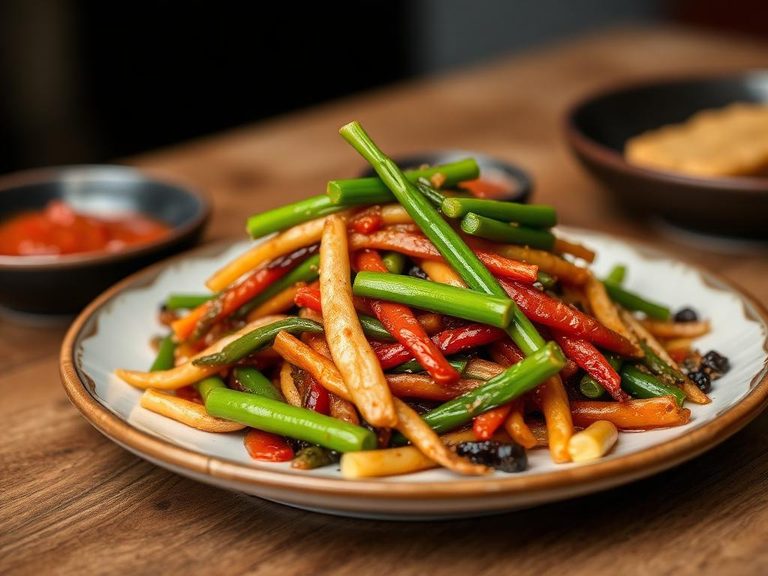
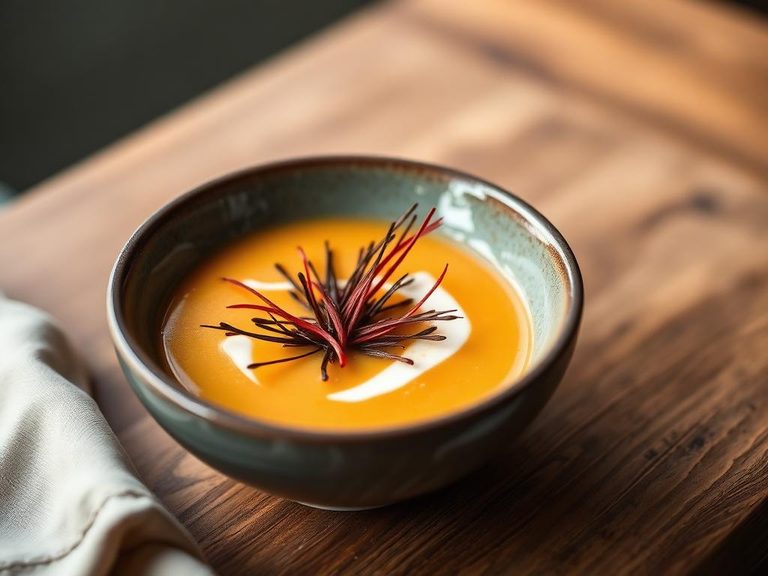
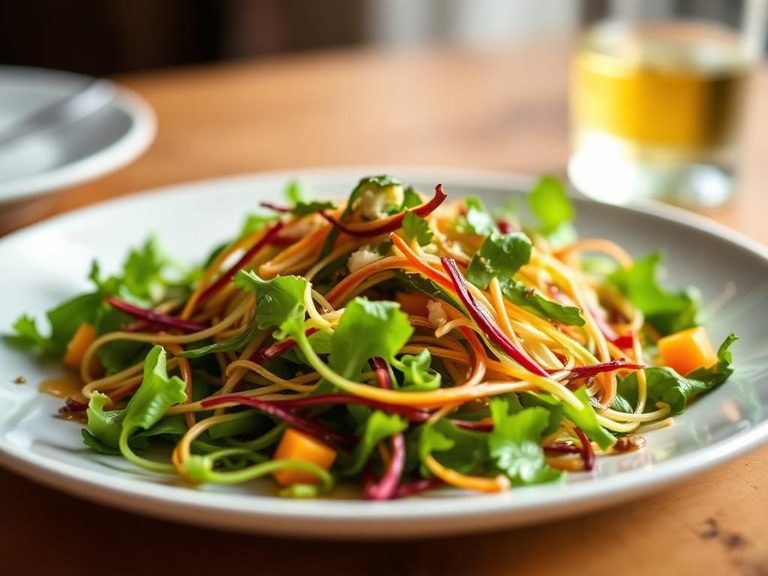
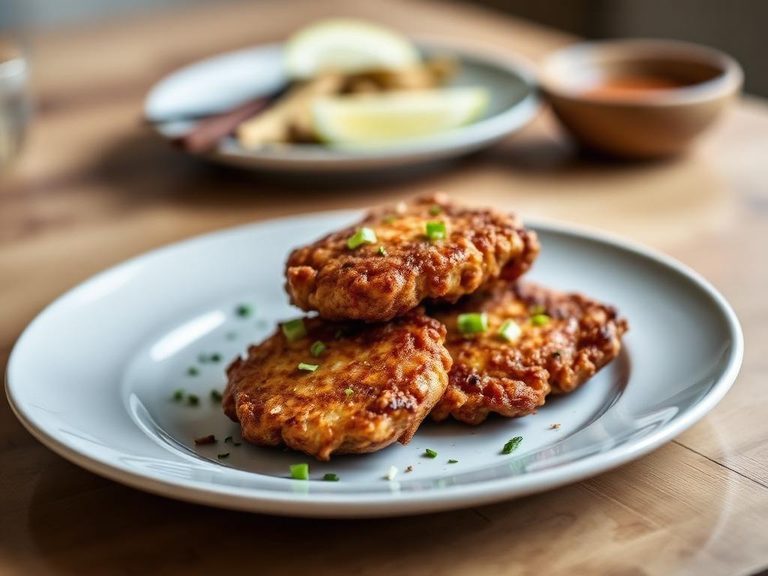
🌍 Where it's eaten
💡 Did you know?
Cattail shoots were a critical spring food source for many Indigenous peoples, often called 'the supermarket of the swamp' because nearly every part of the plant is edible at different times of year.
Full nutrition (USDA data · scales with serving)
| Water | 92.7 g |
| Energy | 25.0 kcal |
| Energy | 106 kj |
| Protein | 1.2 g |
| Total lipid (fat) | 0.00 g |
| Ash | 1.0 g |
| Carbohydrate, by difference | 5.1 g |
| Fiber, total dietary | 4.5 g |
| Total Sugars | 0.22 g |
| Sucrose | 0.07 g |
| Glucose | 0.07 g |
| Fructose | 0.07 g |
| Lactose | 0.00 g |
| Maltose | 0.00 g |
| Galactose | 0.00 g |
| Starch | 0.00 g |
| Calcium, Ca | 54.0 mg |
| Iron, Fe | 0.91 mg |
| Magnesium, Mg | 63.0 mg |
| Phosphorus, P | 45.0 mg |
| Potassium, K | 309 mg |
| Sodium, Na | 109 mg |
| Zinc, Zn | 0.24 mg |
| Copper, Cu | 0.04 mg |
| Manganese, Mn | 0.76 mg |
| Selenium, Se | 0.60 ug |
| Vitamin C, total ascorbic acid | 0.70 mg |
| Thiamin | 0.02 mg |
| Riboflavin | 0.03 mg |
| Niacin | 0.44 mg |
| Pantothenic acid | 0.23 mg |
| Vitamin B-6 | 0.12 mg |
| Folate, total | 3.0 ug |
| Folate, food | 3.0 ug |
| Choline, total | 23.7 mg |
| Betaine | 1.1 mg |
| Vitamin A, RAE | 1.0 ug |
| Carotene, beta | 6.0 ug |
| Carotene, alpha | 0.00 ug |
| Cryptoxanthin, beta | 0.00 ug |
| Vitamin A, IU | 11.0 iu |
| Lycopene | 0.00 ug |
| Lutein + zeaxanthin | 76.0 ug |
| Vitamin K (phylloquinone) | 22.8 ug |
| Vitamin K (Dihydrophylloquinone) | 0.00 ug |
| Vitamin K (Menaquinone-4) | 0.00 ug |
FAQ
When are cattail shoots best harvested?
In early spring, when the shoots are young, tender, and about 6-12 inches tall, before they develop into the familiar brown 'cattail' spikes.
How do you prepare cattail shoots for eating?
Wash thoroughly, peel away any tough outer layers, and then slice or chop. They can be eaten raw, boiled, steamed, or stir-fried.
Are cattail shoots safe for everyone?
They are generally safe, but individuals with allergies to related plants (like grasses) should exercise caution. Always forage from clean, unpolluted water sources.
Nutrient density (calculated · NRF9.3)
Nutrient Rich Foods index: beneficial nutrients (protein, fiber, vitamins, minerals) minus saturated fat, added sugar & sodium, per 100 kcal.
NRF9.3 index — Fulgoni, Keast & Drewnowski, 2009. Computed from USDA nutrients.
Weight-loss friendliness (composite index)
Energy density 0.25 kcal/g · 19% calories from protein · 4.5 g fiber · 0.2 g sugar per 100 g.
Composite of energy density (Rolls et al., 1999), protein & fiber satiety, minus sugar. A calculated heuristic — ranks satiety-per-calorie, not a clinical measure.
Dietary load (calculated from USDA values)
Potential renal acid load. Positive = acid-forming, negative = alkaline-forming.
Sodium-to-potassium ratio: 0.35 (lower is better — aim for ≤ 1)
Sodium:potassium per WHO potassium guidance. Computed from USDA nutrients.