

Vinegar, balsamic
Whole food · Spices and Herbs

Photo: Wikipedia
Balsamic vinegar is a dark, glossy, syrupy condiment made from concentrated grape must, aged in wooden barrels for years or decades. It boasts a complex, sweet-tart flavor profile with notes of fig, molasses, and cherry, and a velvety texture that coats the palate. Nutritionally, it is very low in calories but high in natural sugars, with almost no protein or fat.
Calorie split: 3% protein · 97% carbs · 0% fat
↓ Full nutrition💚 Why it's loved
People love balsamic vinegar for its luxurious balance of sweet and acidic flavors, which can elevate simple dishes like strawberries or grilled vegetables to gourmet status. Its cultural association with Italian cuisine and artisanal aging processes also adds to its appeal as a premium pantry staple.
⚠️ Watch-outs & how to enjoy it better
The high sugar content (nearly 15g per 100g) can cause blood sugar spikes if consumed in large quantities, making it a consideration for diabetics. Some commercial versions are heavily adulterated with caramel color and thickeners, offering little of the authentic flavor. To counteract sugar impact, use it as a finishing drizzle rather than a primary sauce, and pair it with protein or healthy fats (like Parmesan or olive oil) to slow sugar absorption.
Key benefits
- Rich in antioxidants from aged grape must
- May help regulate blood sugar response when paired with meals
- Adds significant flavor with minimal calories
- Contains trace minerals like potassium and manganese
- Traditional digestive aid in Italian cuisine
🍽️ Popular dishes
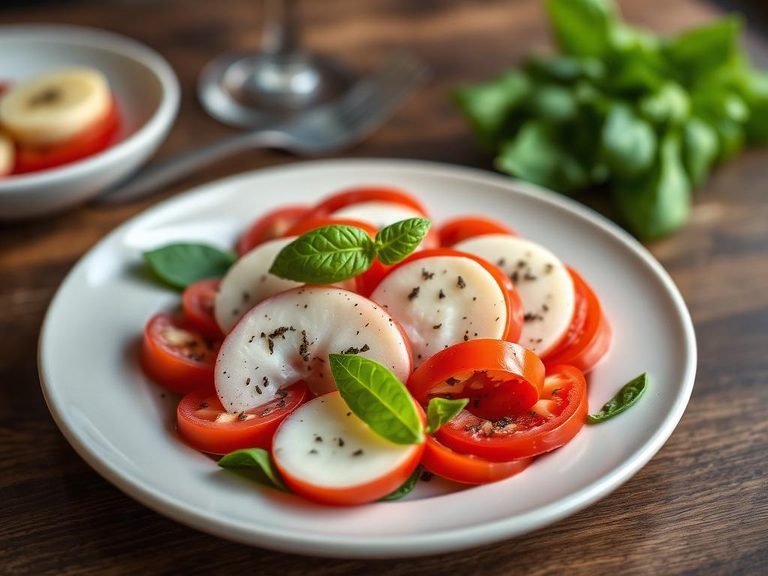
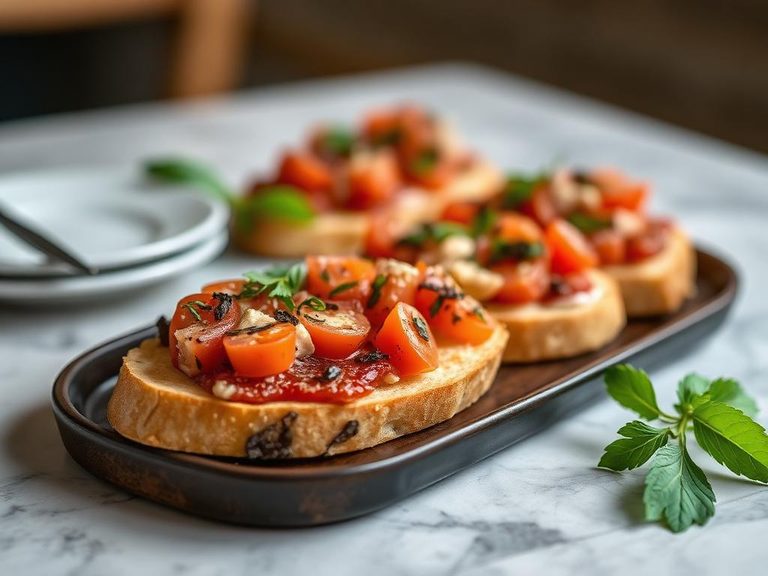
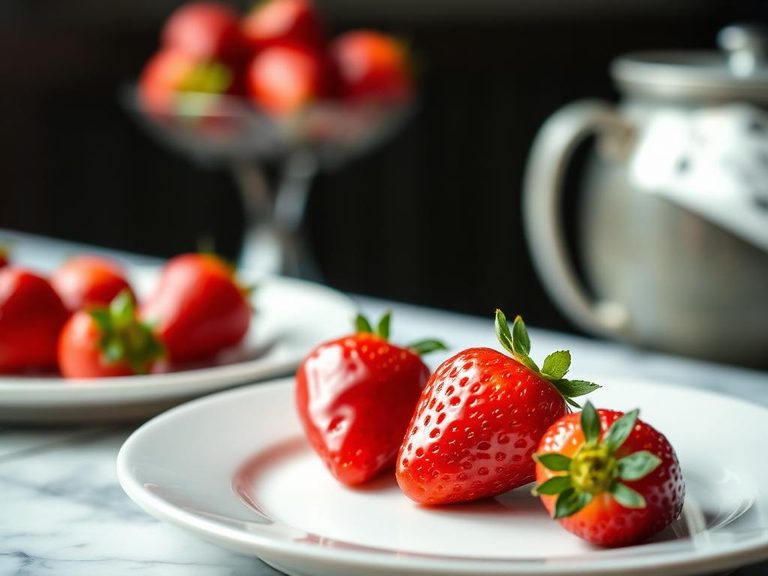
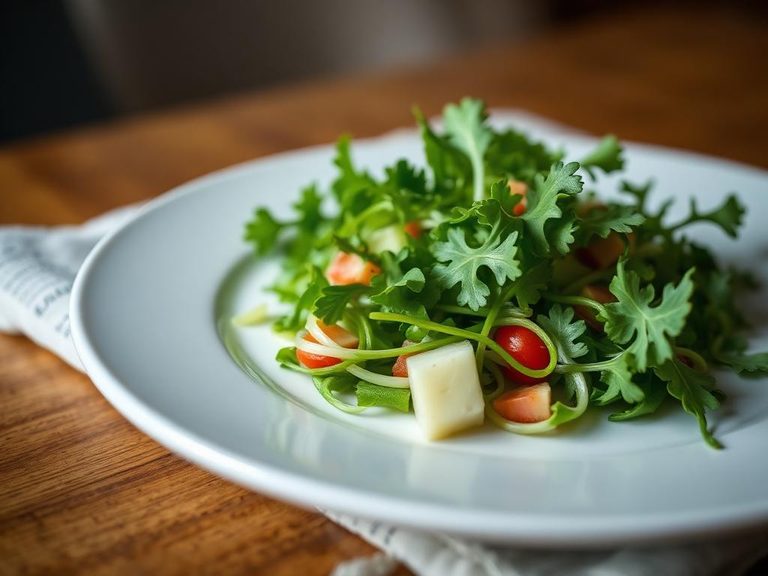
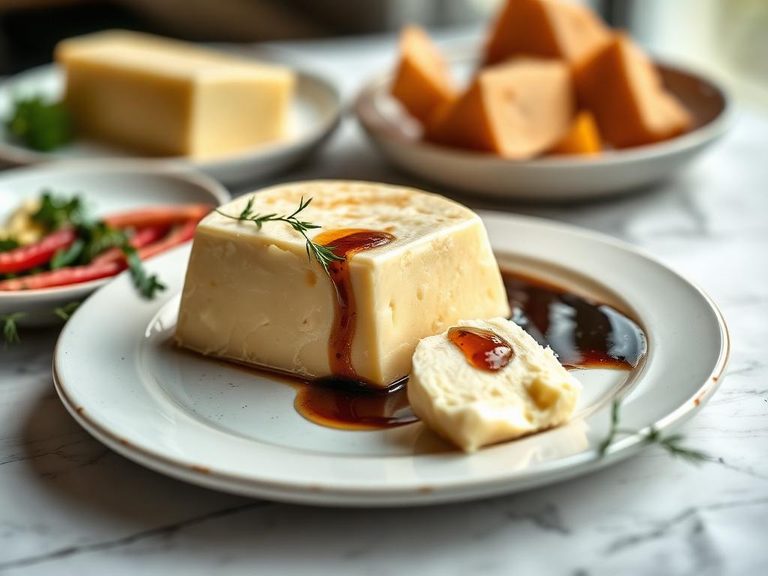
🌍 Where it's eaten
💡 Did you know?
True traditional balsamic vinegar (Aceto Balsamico Tradizionale) must be aged for a minimum of 12 years, with some batches aged over 25 years, and is produced only in the provinces of Modena and Reggio Emilia in Italy.
Full nutrition (USDA data · scales with serving)
| Water | 76.5 g |
| Energy | 88.0 kcal |
| Energy | 369 kj |
| Protein | 0.49 g |
| Total lipid (fat) | 0.00 g |
| Ash | 0.37 g |
| Carbohydrate, by difference | 17.0 g |
| Total Sugars | 14.9 g |
| Sucrose | 0.00 g |
| Glucose | 7.6 g |
| Fructose | 7.4 g |
| Lactose | 0.00 g |
| Maltose | 0.00 g |
| Galactose | 0.00 g |
| Calcium, Ca | 27.0 mg |
| Iron, Fe | 0.72 mg |
| Magnesium, Mg | 12.0 mg |
| Phosphorus, P | 19.0 mg |
| Potassium, K | 112 mg |
| Sodium, Na | 23.0 mg |
| Zinc, Zn | 0.08 mg |
| Copper, Cu | 0.03 mg |
| Manganese, Mn | 0.13 mg |
| Vitamin C, total ascorbic acid | 0.00 mg |
| Vitamin A, RAE | 0.00 ug |
| Vitamin A, IU | 0.00 iu |
Fat & fatty acid profile (per 100g)
| Fatty acids, total saturated | 0.00 g |
| Fatty acids, total trans | 0.00 g |
Amino acid profile (per 100g)
Estimated from Vinegar, cider — USDA does not publish this profile for Vinegar.
| Tryptophan | 0.00 g |
| Threonine | 0.00 g |
| Isoleucine | 0.00 g |
| Leucine | 0.00 g |
| Lysine | 0.00 g |
| Methionine | 0.00 g |
| Cystine | 0.00 g |
| Phenylalanine | 0.00 g |
| Tyrosine | 0.00 g |
| Valine | 0.00 g |
| Arginine | 0.00 g |
| Histidine | 0.00 g |
| Alanine | 0.00 g |
| Aspartic acid | 0.00 g |
| Glutamic acid | 0.00 g |
| Glycine | 0.00 g |
| Proline | 0.00 g |
| Serine | 0.00 g |
FAQ
What's the difference between traditional and commercial balsamic vinegar?
Traditional balsamic vinegar is made solely from grape must, aged for 12+ years in a series of wooden barrels, resulting in a thick, complex, and expensive product. Commercial balsamic vinegar is often a blend of wine vinegar with added caramel, thickeners, and flavorings, aged for a much shorter time, making it more affordable but less nuanced.
How can I tell if a balsamic vinegar is high quality?
Check the ingredients list: it should only contain 'grape must' or 'cooked grape must.' Look for a DOP (Denominazione di Origine Protetta) or IGP (Indicazione Geografica Protetta) seal for Italian authenticity. High-quality balsamic will be syrupy and cling to a spoon, not watery.
Is balsamic vinegar vegan?
Most balsamic vinegar is vegan as it's made from grapes. However, some very traditional or non-Italian aged vinegars might occasionally use fining agents like isinglass (fish bladder) or egg whites, though this is rare. Always check for a vegan certification if strict adherence is required.
Nutrient density (calculated · NRF9.3)
Nutrient Rich Foods index: beneficial nutrients (protein, fiber, vitamins, minerals) minus saturated fat, added sugar & sodium, per 100 kcal.
NRF9.3 index — Fulgoni, Keast & Drewnowski, 2009. Computed from USDA nutrients.
Weight-loss friendliness (composite index)
Energy density 0.88 kcal/g · 2% calories from protein · 0.0 g fiber · 14.9 g sugar per 100 g.
Composite of energy density (Rolls et al., 1999), protein & fiber satiety, minus sugar. A calculated heuristic — ranks satiety-per-calorie, not a clinical measure.
Dietary load (calculated from USDA values)
Potential renal acid load. Positive = acid-forming, negative = alkaline-forming.
Sodium-to-potassium ratio: 0.21 (lower is better — aim for ≤ 1)
Sodium:potassium per WHO potassium guidance. Computed from USDA nutrients.