

Pork, loin, tenderloin, boneless, raw
Whole food · Pork Products

Photo: Wikipedia
Pork tenderloin is the lean, tender muscle running along the spine of the pig, prized for its mild, subtly sweet flavor and fine-grained texture. It's an exceptionally lean cut of meat, packing over 21 grams of high-quality protein per 100 grams with virtually no carbohydrates or sugar. Its low fat content makes it a versatile, protein-rich centerpiece for a wide variety of healthy and flavorful meals.
Calorie split: 71% protein · 0% carbs · 29% fat
↓ Full nutrition💚 Why it's loved
People love pork tenderloin for its incredible tenderness and mild flavor, which acts as a perfect canvas for marinades, rubs, and sauces from countless cuisines. It cooks relatively quickly, making it a favorite for both weeknight dinners and elegant weekend roasts.
⚠️ Watch-outs & how to enjoy it better
Its very low fat content means it can dry out and become tough if overcooked. To counteract this, use a meat thermometer to pull it from the heat at 145°F (63°C), let it rest before slicing, and consider brining or marinating to add moisture and flavor. Those monitoring sodium intake should be mindful of cured or pre-seasoned preparations.
Key benefits
- Excellent source of complete, high-quality protein
- Very low in fat, especially saturated fat
- Rich in B vitamins like thiamine (B1), niacin (B6), and B12
- Good source of minerals like selenium, phosphorus, and zinc
- Naturally very low in carbohydrates and sugar
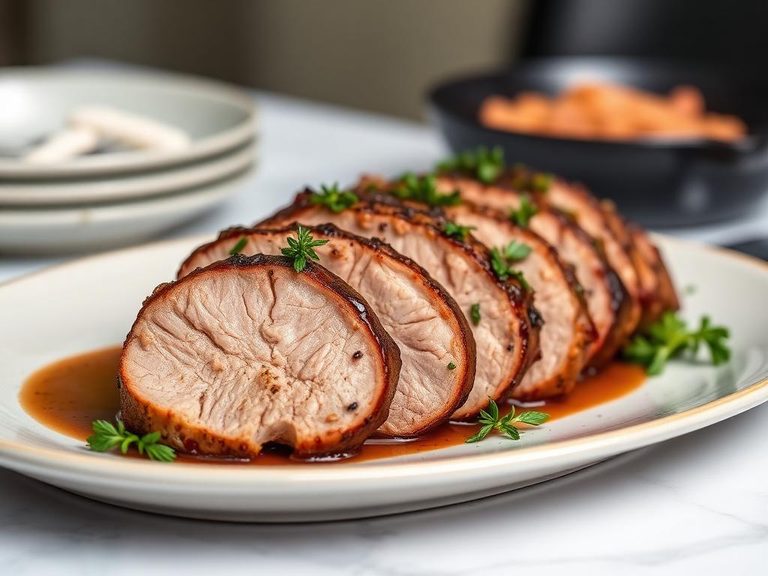
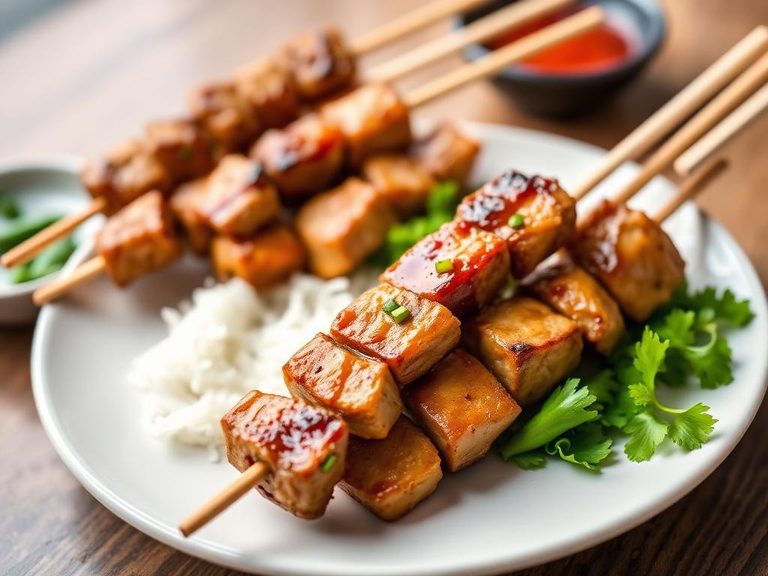
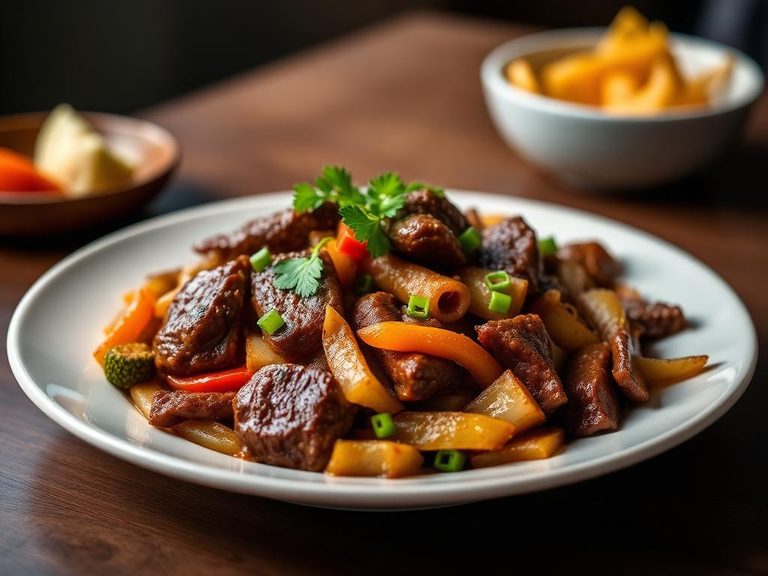
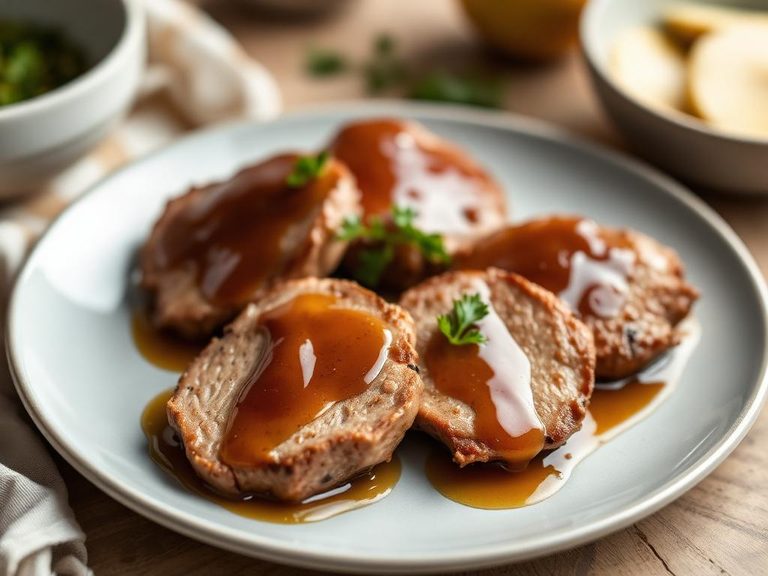
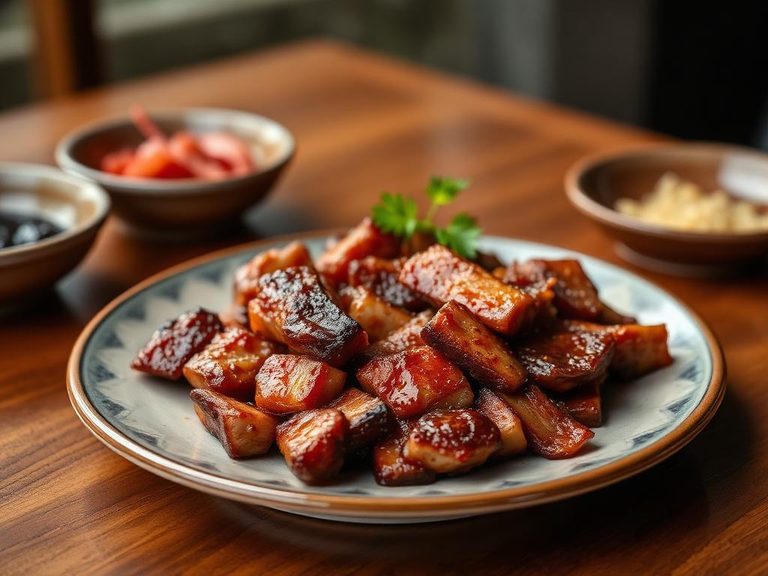
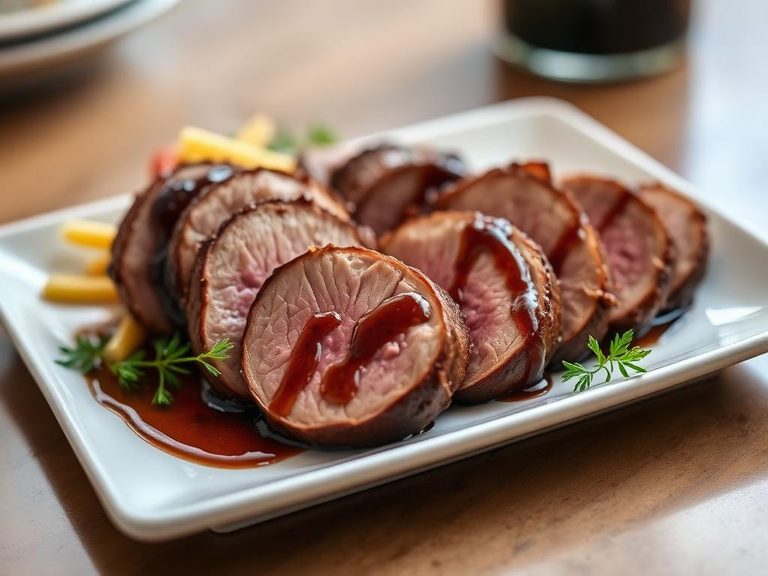
🍽️ Popular dishes
🌍 Where it's eaten
💡 Did you know?
Despite its name, the tenderloin is not from the pig's loin (the back) but is a separate muscle called the psoas major, which is why it's so tender—it's a muscle that gets very little exercise.
Full nutrition (USDA data · scales with serving)
| Water | 73.9 g |
| Energy (Atwater General Factors) | 119 kcal |
| Energy (Atwater Specific Factors) | 125 kcal |
| Nitrogen | 3.5 g |
| Protein | 21.6 g |
| Total lipid (fat) | 3.9 g |
| Ash | 1.2 g |
| Carbohydrate, by difference | 0.00 g |
| Calcium, Ca | 4.5 mg |
| Iron, Fe | 0.93 mg |
| Magnesium, Mg | 24.7 mg |
| Phosphorus, P | 217 mg |
| Potassium, K | 397 mg |
| Sodium, Na | 41.4 mg |
| Zinc, Zn | 1.8 mg |
| Copper, Cu | 0.08 mg |
| Manganese, Mn | 0.00 mg |
Fat & fatty acid profile (per 100g)
| Fatty acids, total saturated | 0.87 g |
| Fatty acids, total monounsaturated | 0.86 g |
| Fatty acids, total polyunsaturated | 0.42 g |
| Fatty acids, total trans | 0.01 g |
| Cholesterol | 59.6 mg |
Amino acid profile (per 100g)
Estimated from Pork, cured, salt pork, raw — USDA does not publish this profile for Pork.
| Tryptophan | 0.02 g |
| Threonine | 0.17 g |
| Isoleucine | 0.13 g |
| Leucine | 0.35 g |
| Lysine | 0.42 g |
| Methionine | 0.07 g |
| Cystine | 0.04 g |
| Phenylalanine | 0.19 g |
| Tyrosine | 0.08 g |
| Valine | 0.24 g |
| Arginine | 0.52 g |
| Histidine | 0.06 g |
| Alanine | 0.28 g |
| Aspartic acid | 0.42 g |
| Glutamic acid | 0.69 g |
| Glycine | 0.36 g |
| Proline | 0.27 g |
| Serine | 0.19 g |
FAQ
What's the difference between pork tenderloin and pork loin?
They are two different muscles. The tenderloin is a small, long, very tender muscle from under the loin. The pork loin is a large, thick, rectangular roast from the pig's back. Tenderloin is leaner and cooks faster.
How do I prevent pork tenderloin from drying out?
The key is not to overcook it. Use an instant-read thermometer and remove it from the oven or pan at an internal temperature of 145°F (63°C). Letting it rest for 5-10 minutes before slicing allows the juices to redistribute.
Is pork tenderloin considered red meat?
Yes, pork is classified as red meat by the USDA and most dietary guidelines, though it is often referred to as 'the other white meat' due to its light color when cooked. Nutritionally, it shares many benefits with lean red meats.
Nutrient density (calculated · NRF9.3)
Nutrient Rich Foods index: beneficial nutrients (protein, fiber, vitamins, minerals) minus saturated fat, added sugar & sodium, per 100 kcal.
NRF9.3 index — Fulgoni, Keast & Drewnowski, 2009. Computed from USDA nutrients.
Weight-loss friendliness (composite index)
Energy density 1.19 kcal/g · 73% calories from protein · 0.0 g fiber · 0.0 g sugar per 100 g.
Composite of energy density (Rolls et al., 1999), protein & fiber satiety, minus sugar. A calculated heuristic — ranks satiety-per-calorie, not a clinical measure.
Dietary load (calculated from USDA values)
Potential renal acid load. Positive = acid-forming, negative = alkaline-forming.
Sodium-to-potassium ratio: 0.10 (lower is better — aim for ≤ 1)
Sodium:potassium per WHO potassium guidance. Computed from USDA nutrients.