

Pork, loin, boneless, raw
Whole food · Pork Products
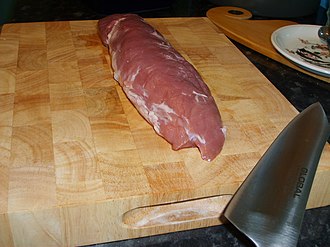
Photo: Wikipedia
Boneless pork loin is a lean, tender cut from the back of the pig, prized for its mild, slightly sweet flavor and fine-grained texture that stays juicy when cooked properly. With a remarkable 21g of protein per 100g and virtually zero carbs, it's a powerhouse for muscle maintenance and low-carb diets. Its clean, versatile taste makes it a blank canvas for everything from simple roasts to complex stir-fries.
Calorie split: 50% protein · 0% carbs · 50% fat
↓ Full nutrition💚 Why it's loved
People love it for its incredible versatility—it can be sliced thin for quick stir-fries, ground for lean burgers, or roasted whole for an elegant dinner. Its mild flavor absorbs marinades and spices beautifully, making it a staple in home kitchens from American barbecue to Asian cuisine.
⚠️ Watch-outs & how to enjoy it better
Its leanness means it can dry out quickly if overcooked, leading to a tough, chewy texture. To counteract this, use a meat thermometer to cook to 145°F (63°C) and let it rest for 5-10 minutes before slicing. For those monitoring sodium, be cautious with pre-marinated or processed pork loin products, and opt for fresh cuts with homemade seasoning.
Key benefits
- Excellent source of complete protein for muscle repair and satiety
- Very low in carbohydrates, making it ideal for keto and low-carb diets
- Rich in B vitamins, especially thiamine (B1) and niacin (B3), for energy metabolism
- Good source of minerals like selenium and phosphorus
- Leaner than many other pork cuts, with a favorable fat-to-protein ratio
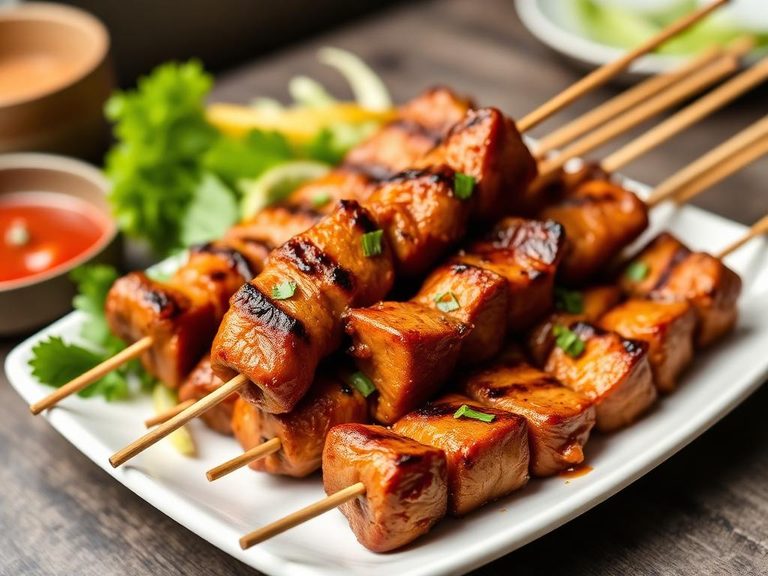
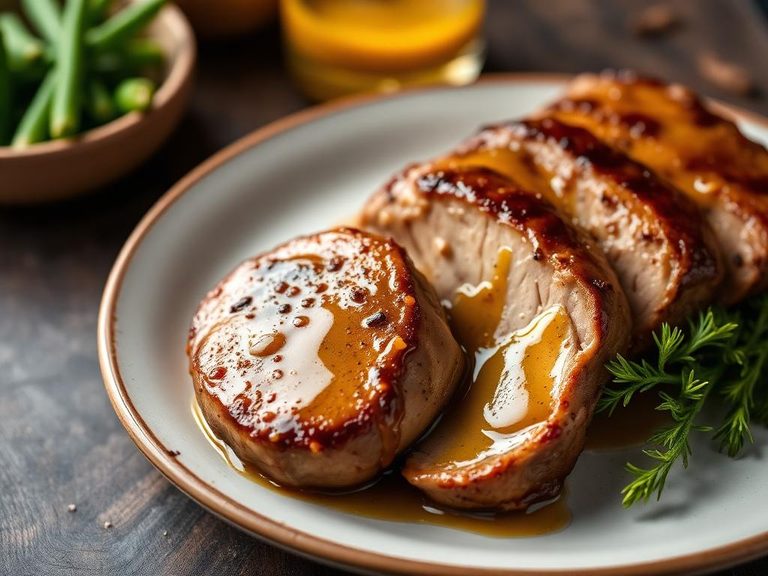
🍽️ Popular dishes

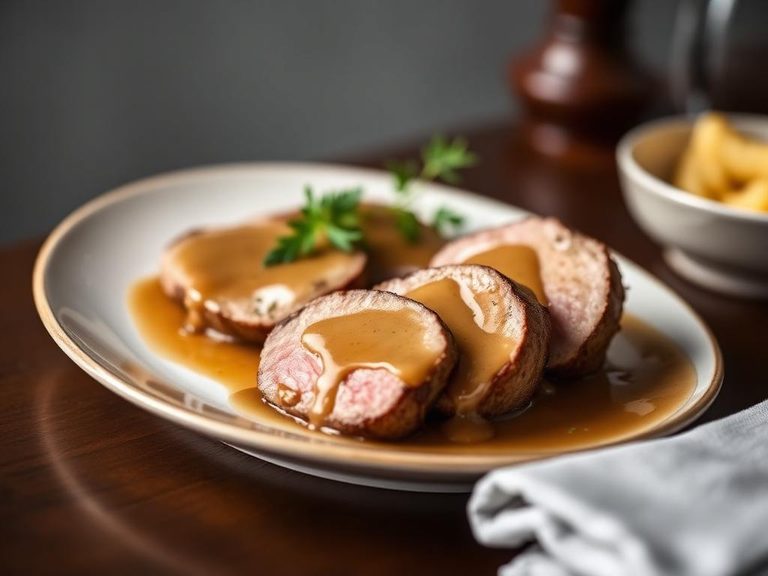
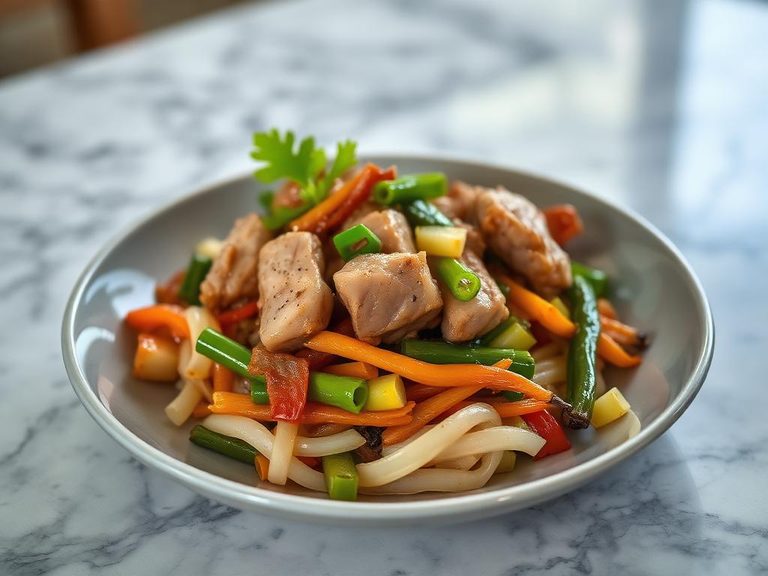
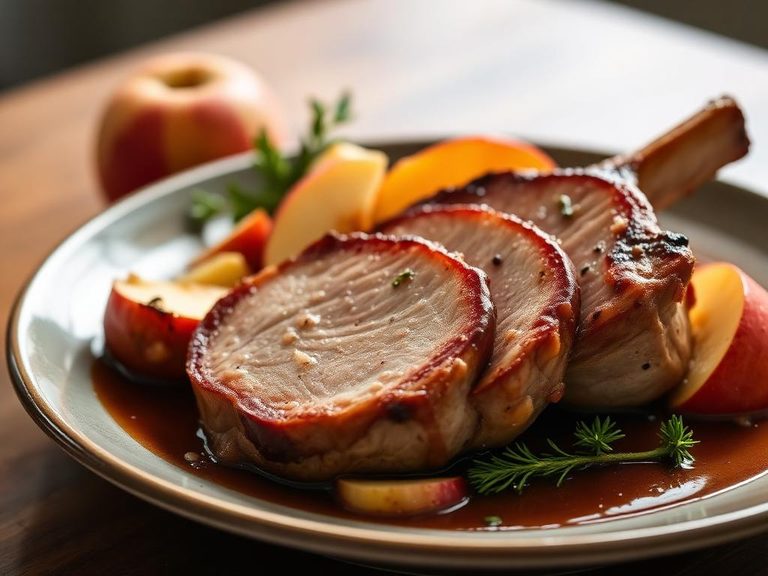
🌍 Where it's eaten
💡 Did you know?
Pork loin is one of the few major meat cuts where the 'loin' muscle is actually a single, continuous muscle group, making it exceptionally uniform in shape and ideal for even cooking.
Full nutrition (USDA data · scales with serving)
| Water | 68.8 g |
| Energy (Atwater General Factors) | 168 kcal |
| Energy (Atwater Specific Factors) | 174 kcal |
| Nitrogen | 3.4 g |
| Protein | 21.1 g |
| Total lipid (fat) | 9.5 g |
| Ash | 1.1 g |
| Carbohydrate, by difference | 0.00 g |
| Calcium, Ca | 4.1 mg |
| Iron, Fe | 0.45 mg |
| Magnesium, Mg | 22.0 mg |
| Phosphorus, P | 197 mg |
| Potassium, K | 361 mg |
| Sodium, Na | 40.2 mg |
| Zinc, Zn | 1.6 mg |
| Copper, Cu | 0.04 mg |
| Manganese, Mn | 0.00 mg |
Fat & fatty acid profile (per 100g)
| Fatty acids, total saturated | 3.3 g |
| Fatty acids, total monounsaturated | 3.9 g |
| Fatty acids, total polyunsaturated | 1.4 g |
| Fatty acids, total trans | 0.03 g |
| Cholesterol | 55.9 mg |
Amino acid profile (per 100g)
Estimated from Pork, cured, salt pork, raw — USDA does not publish this profile for Pork.
| Tryptophan | 0.02 g |
| Threonine | 0.17 g |
| Isoleucine | 0.13 g |
| Leucine | 0.35 g |
| Lysine | 0.42 g |
| Methionine | 0.07 g |
| Cystine | 0.04 g |
| Phenylalanine | 0.19 g |
| Tyrosine | 0.08 g |
| Valine | 0.24 g |
| Arginine | 0.52 g |
| Histidine | 0.06 g |
| Alanine | 0.28 g |
| Aspartic acid | 0.42 g |
| Glutamic acid | 0.69 g |
| Glycine | 0.36 g |
| Proline | 0.27 g |
| Serine | 0.19 g |
FAQ
What's the difference between pork loin and pork tenderloin?
Pork loin is a larger, wider cut from the back of the pig, while pork tenderloin is a smaller, thinner muscle from the same area. Loin is thicker and better for roasting, while tenderloin is more tender and cooks faster.
How can I prevent pork loin from drying out?
Cook it to an internal temperature of 145°F (63°C), not higher. Use a meat thermometer, and let the meat rest for 5-10 minutes after cooking to allow juices to redistribute. Brining or marinating can also add moisture.
Is boneless pork loin a healthy choice?
Yes, it's a lean protein source with minimal carbs and a good balance of B vitamins and minerals. It's lower in fat than many other pork cuts, making it a healthy option for most diets when prepared without excessive added fats or sodium.
Nutrient density (calculated · NRF9.3)
Nutrient Rich Foods index: beneficial nutrients (protein, fiber, vitamins, minerals) minus saturated fat, added sugar & sodium, per 100 kcal.
NRF9.3 index — Fulgoni, Keast & Drewnowski, 2009. Computed from USDA nutrients.
Weight-loss friendliness (composite index)
Energy density 1.68 kcal/g · 50% calories from protein · 0.0 g fiber · 0.0 g sugar per 100 g.
Composite of energy density (Rolls et al., 1999), protein & fiber satiety, minus sugar. A calculated heuristic — ranks satiety-per-calorie, not a clinical measure.
Dietary load (calculated from USDA values)
Potential renal acid load. Positive = acid-forming, negative = alkaline-forming.
Sodium-to-potassium ratio: 0.11 (lower is better — aim for ≤ 1)
Sodium:potassium per WHO potassium guidance. Computed from USDA nutrients.