

Duck, scoter, white-winged, meat (Alaska Native)
Whole food · American Indian/Alaska Native Foods

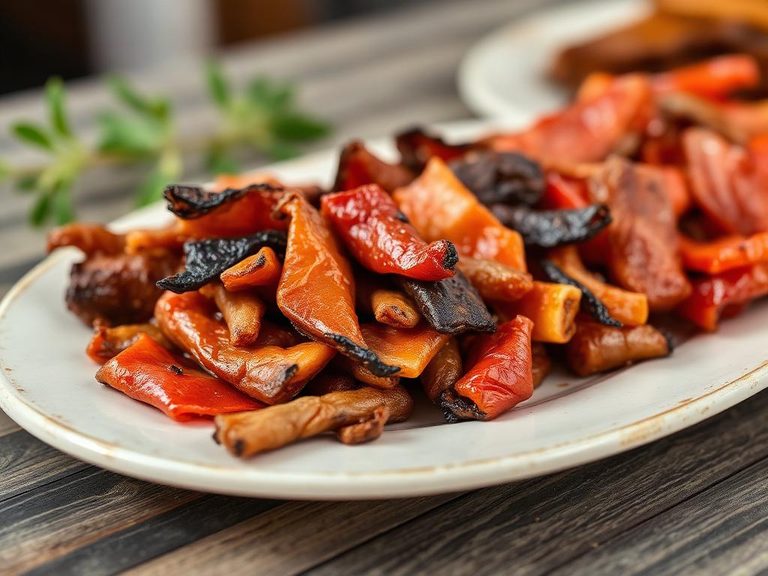
Photo: Wikipedia
White-winged scoter meat is a lean, dark, and robustly flavored wild waterfowl, prized for its dense, almost beef-like texture that holds up well to slow cooking. Nutritionally, it is a powerhouse of protein with virtually no fat, making it an exceptionally lean source of animal protein. The taste is often described as richer and more gamey than domestic duck, with a distinct, slightly mineral finish.
Calorie split: 96% protein · 0% carbs · 4% fat
↓ Full nutrition💚 Why it's loved
It is loved for its intense, deep flavor that offers a true taste of the wild Alaskan landscape, and its firm texture makes it ideal for hearty stews and slow-cooked preparations where it absorbs surrounding flavors.
⚠️ Watch-outs & how to enjoy it better
The meat can be tough and overly gamey if not prepared correctly, which may deter those accustomed to milder poultry. To counteract this, it benefits from long, slow braising or marinating in acidic or fat-based mixtures to tenderize the muscle and mellow the strong flavor.
Key benefits
- Exceptionally high in protein per calorie
- Virtually fat-free lean meat
- Rich in iron and B vitamins
- Wild-sourced, free-range protein
- Low in carbohydrates
🍽️ Popular dishes
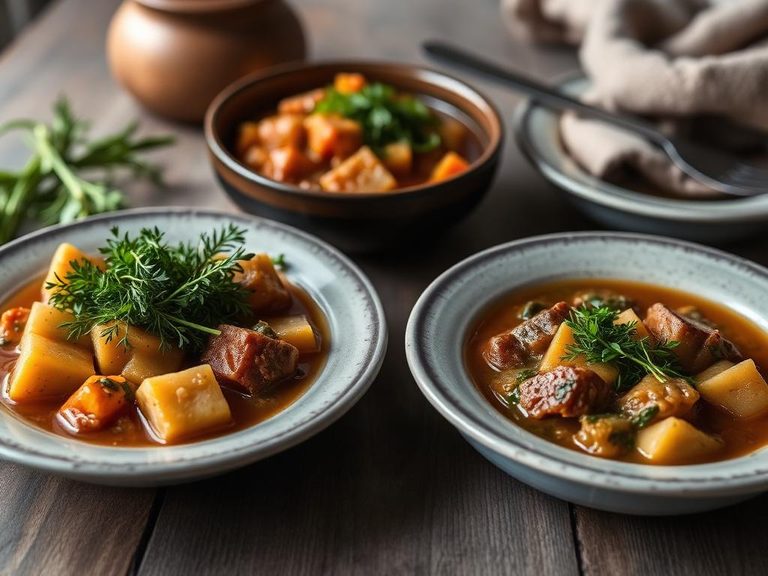
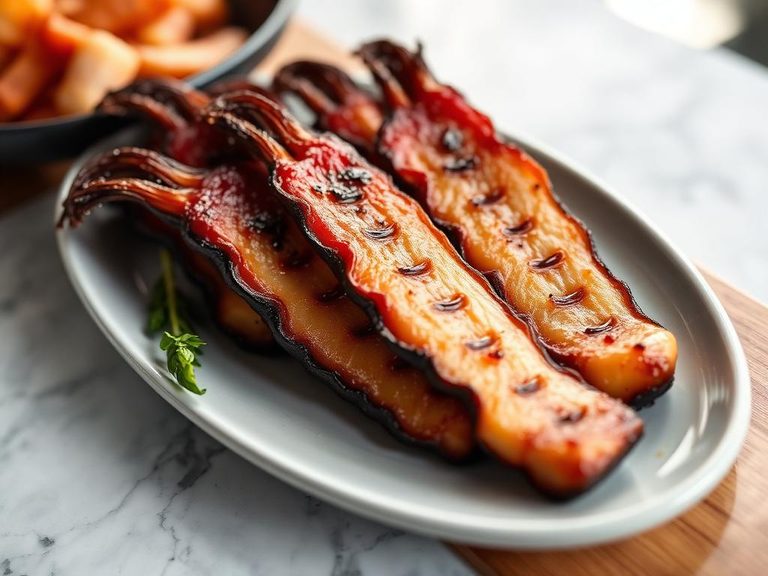
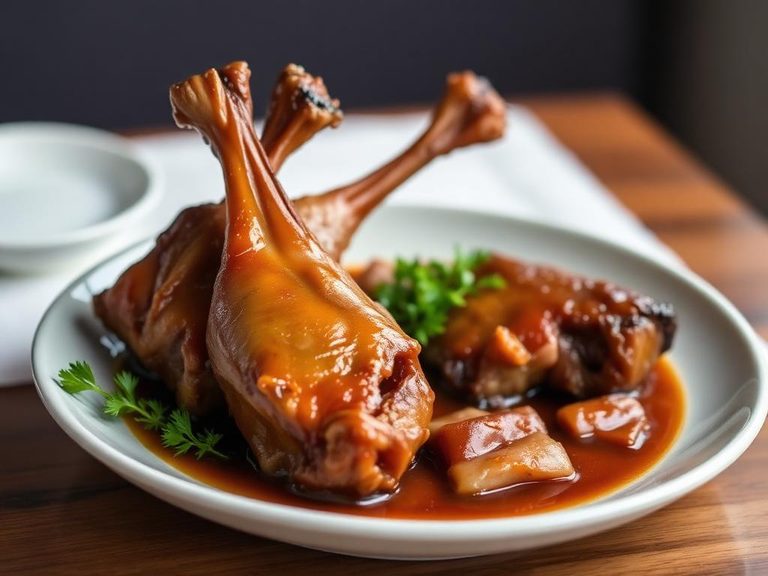
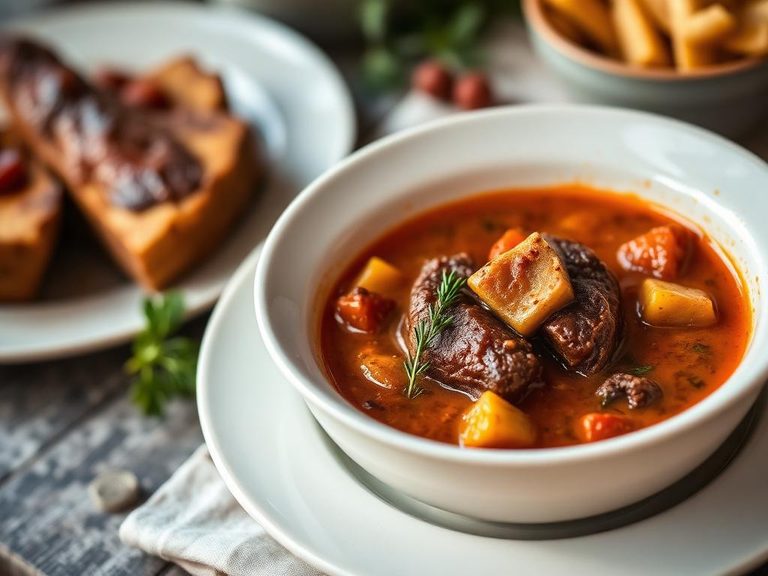
🌍 Where it's eaten
💡 Did you know?
Scoters are sea ducks that spend most of their lives on coastal saltwater, feeding on mollusks and crustaceans, which contributes to their uniquely mineral-rich and robust flavor profile.
Full nutrition (USDA data · scales with serving)
| Water | 79.0 g |
| Energy | 84.0 kcal |
| Energy | 353 kj |
| Protein | 20.2 g |
| Total lipid (fat) | 0.40 g |
| Ash | 0.40 g |
| Carbohydrate, by difference | 0.00 g |
| Calcium, Ca | 8.0 mg |
| Vitamin A, IU | 280 iu |
Fat & fatty acid profile (per 100g)
Estimated from Duck, young duckling, domesticated, White Pekin, leg, meat only, bone in, cooked without skin, braised — USDA does not publish this profile for Duck.
| Fatty acids, total saturated | 1.3 g |
| SFA 14:0 | 0.03 g |
| SFA 16:0 | 1.0 g |
| SFA 18:0 | 0.29 g |
| Fatty acids, total monounsaturated | 2.6 g |
| MUFA 16:1 | 0.22 g |
| MUFA 18:1 | 2.4 g |
| MUFA 20:1 | 0.02 g |
| Fatty acids, total polyunsaturated | 0.91 g |
| PUFA 18:2 | 0.82 g |
| PUFA 18:3 | 0.04 g |
| PUFA 20:4 | 0.05 g |
| Cholesterol | 105 mg |
Amino acid profile (per 100g)
Estimated from Duck, young duckling, domesticated, White Pekin, leg, meat only, bone in, cooked without skin, braised — USDA does not publish this profile for Duck.
| Tryptophan | 0.40 g |
| Threonine | 1.2 g |
| Isoleucine | 1.5 g |
| Leucine | 2.4 g |
| Lysine | 2.5 g |
| Methionine | 0.78 g |
| Cystine | 0.44 g |
| Phenylalanine | 1.2 g |
| Tyrosine | 1.1 g |
| Valine | 1.5 g |
| Arginine | 1.8 g |
| Histidine | 0.76 g |
| Alanine | 1.8 g |
| Aspartic acid | 2.8 g |
| Glutamic acid | 4.5 g |
| Glycine | 1.6 g |
| Proline | 1.4 g |
| Serine | 1.2 g |
FAQ
How does white-winged scoter meat differ from domestic duck?
It is significantly leaner, darker, and has a much stronger, gamey flavor with a denser, more fibrous texture compared to the milder, fattier meat of domestic duck.
What is the best way to cook it to avoid toughness?
Long, slow, moist-heat cooking methods like braising, stewing, or slow-roasting are essential to break down the tough muscle fibers and make the meat tender and palatable.
Is it safe to eat? Are there any concerns?
As with any wild game, it should be sourced from a reputable provider and cooked to safe internal temperatures. Its very low fat content means it can dry out easily if overcooked.
Weight-loss friendliness (composite index)
Energy density 0.84 kcal/g · 96% calories from protein · 0.0 g fiber · 0.0 g sugar per 100 g.
Composite of energy density (Rolls et al., 1999), protein & fiber satiety, minus sugar. A calculated heuristic — ranks satiety-per-calorie, not a clinical measure.