

Crustaceans, crab, blue swimming, lump, pasteurized, refrigerated
Whole food · Finfish and Shellfish Products
Blue swimming crab lump meat consists of delicate, snow-white flakes harvested from the body of the Portunus pelagicus. It offers a distinctly sweet, briny flavor with a tender, succulent texture that is prized in seafood salads and bisques. Nutritionally, it is a powerhouse of lean protein with virtually zero fat or carbohydrates.
Calorie split: 91% protein · 0% carbs · 9% fat
↓ Full nutrition💚 Why it's loved
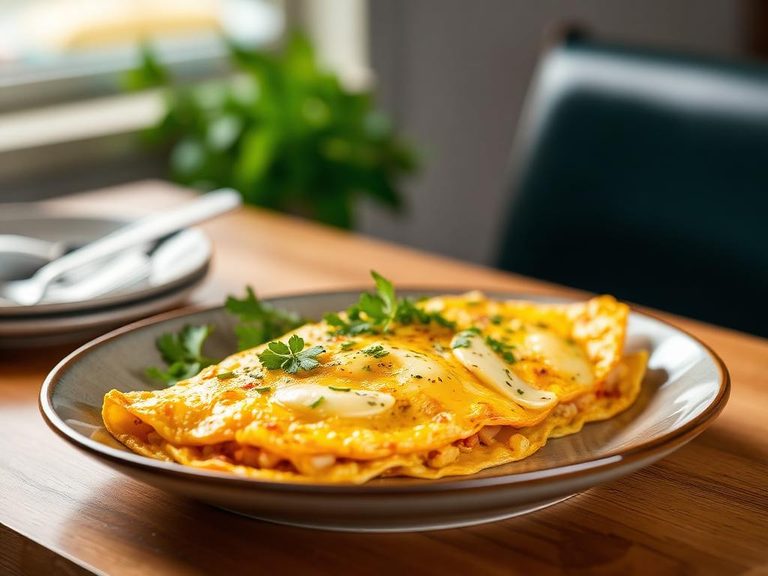
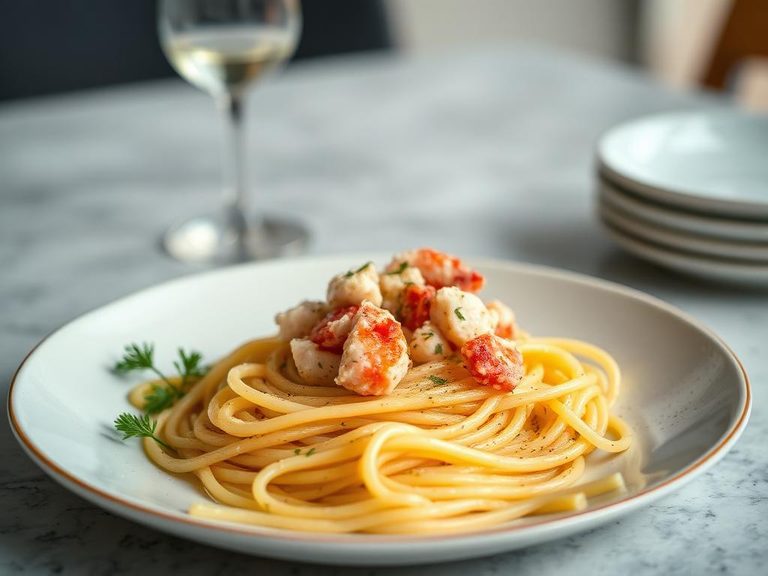
People cherish this crab for its pure, ocean-sweet flavor and the luxurious, melt-in-your-mouth texture of the lump pieces. Its versatility makes it the star of everything from classic crab cakes to delicate pasta dishes and fresh spring rolls.
⚠️ Watch-outs & how to enjoy it better
As a shellfish, it is a major allergen and must be avoided by those with crustacean sensitivities. The pasteurization process can sometimes slightly firm the texture compared to fresh-picked meat. To counteract any potential brininess, it pairs beautifully with acidic elements like lemon juice or vinegar-based sauces.
Key benefits
- Excellent source of lean protein (18.65g per 100g)
- Extremely low in calories (81 kcal per 100g)
- Naturally carb-free and fat-free
- Rich in essential minerals like selenium and zinc
🍽️ Popular dishes
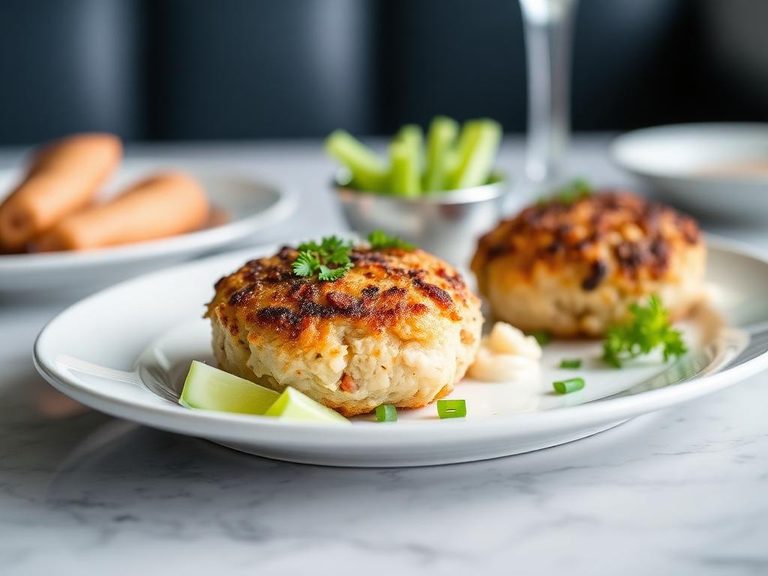
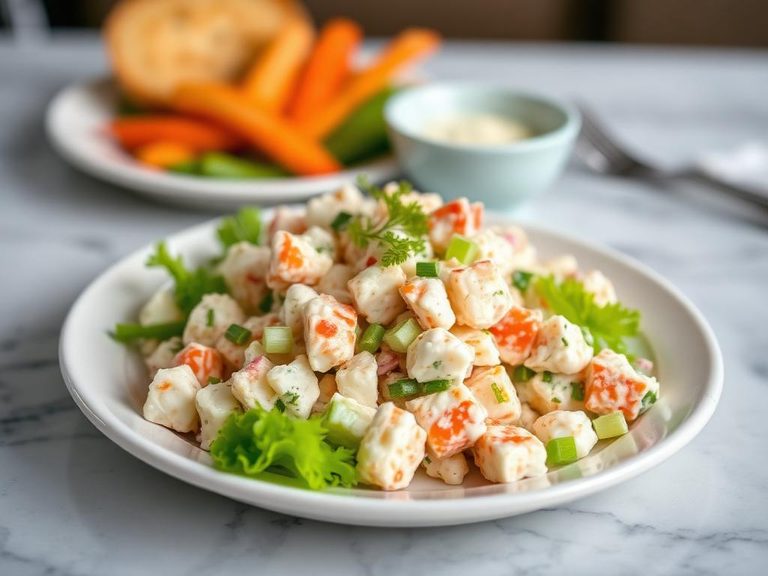
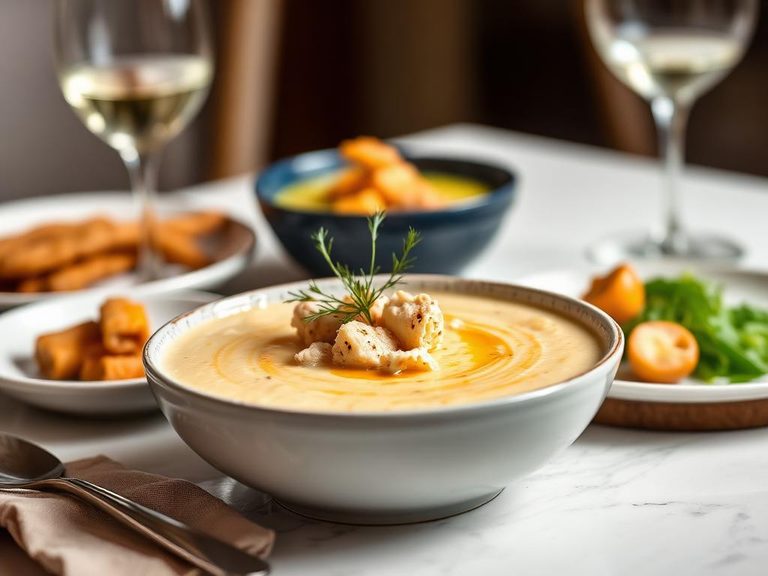
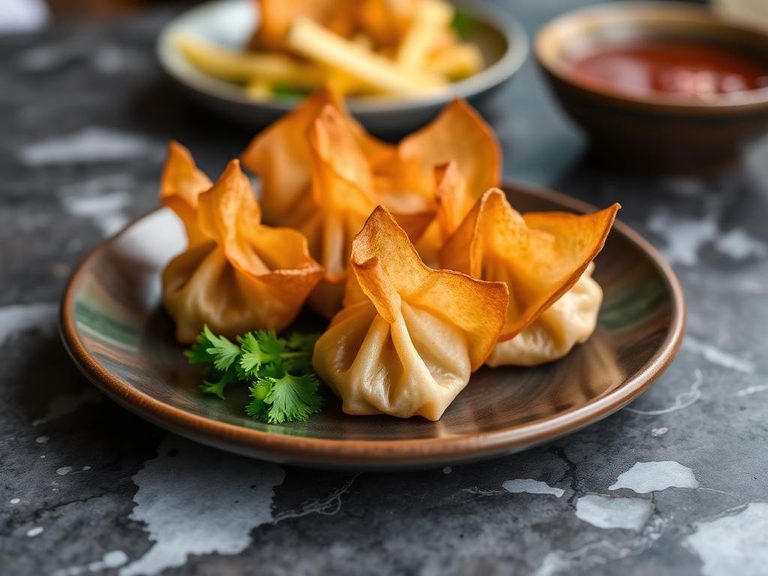
🌍 Where it's eaten
💡 Did you know?
Blue swimming crabs are named for the distinctive blue-tinted claws of the males, which they use in elaborate courtship displays.
Full nutrition (USDA data · scales with serving)
| Water | 78.9 g |
| Energy (Atwater General Factors) | 81.0 kcal |
| Energy (Atwater Specific Factors) | 86.0 kcal |
| Nitrogen | 3.0 g |
| Protein | 18.6 g |
| Total lipid (fat) | 0.81 g |
| Ash | 1.9 g |
| Carbohydrate, by difference | 0.00 g |
| Calcium, Ca | 111 mg |
| Iron, Fe | 0.63 mg |
| Magnesium, Mg | 43.1 mg |
| Phosphorus, P | 279 mg |
| Potassium, K | 235 mg |
| Sodium, Na | 331 mg |
| Zinc, Zn | 3.5 mg |
| Copper, Cu | 1.1 mg |
| Manganese, Mn | 0.15 mg |
| Iodine, I | 44.5 ug |
| Selenium, Se | 45.8 ug |
| Vitamin B-12 | 3.1 ug |
| Retinol | 0.00 ug |
Fat & fatty acid profile (per 100g)
| Cholesterol | 114 mg |
Amino acid profile (per 100g)
Estimated from Crustaceans, crab, blue, crab cakes, home recipe — USDA does not publish this profile for Crustaceans.
| Tryptophan | 0.28 g |
| Threonine | 0.83 g |
| Isoleucine | 1.00 g |
| Leucine | 1.6 g |
| Lysine | 1.7 g |
| Methionine | 0.57 g |
| Cystine | 0.24 g |
| Phenylalanine | 0.87 g |
| Tyrosine | 0.68 g |
| Valine | 0.98 g |
| Arginine | 1.7 g |
| Histidine | 0.41 g |
| Alanine | 1.1 g |
| Aspartic acid | 2.1 g |
| Glutamic acid | 3.4 g |
| Glycine | 1.2 g |
| Proline | 0.68 g |
| Serine | 0.84 g |
FAQ
What's the difference between pasteurized and fresh crab meat?
Pasteurized crab meat is cooked and sealed in a container, giving it a longer shelf life. The flavor is very similar to fresh, but the texture can be slightly firmer.
How should I store opened pasteurized crab meat?
Once opened, transfer any unused crab meat to an airtight container, cover it with ice or place it in a bowl set over ice, and consume within 2-3 days for best quality.
Is the nutrition information for raw or cooked crab?
The provided nutrition data is for cooked crab meat, as pasteurization involves a cooking process. The values are very similar to freshly steamed crab.
Nutrient density (calculated · NRF9.3)
Nutrient Rich Foods index: beneficial nutrients (protein, fiber, vitamins, minerals) minus saturated fat, added sugar & sodium, per 100 kcal.
NRF9.3 index — Fulgoni, Keast & Drewnowski, 2009. Computed from USDA nutrients.
Weight-loss friendliness (composite index)
Energy density 0.81 kcal/g · 92% calories from protein · 0.0 g fiber · 0.0 g sugar per 100 g.
Composite of energy density (Rolls et al., 1999), protein & fiber satiety, minus sugar. A calculated heuristic — ranks satiety-per-calorie, not a clinical measure.
Dietary load (calculated from USDA values)
Potential renal acid load. Positive = acid-forming, negative = alkaline-forming.
Sodium-to-potassium ratio: 1.41 (lower is better — aim for ≤ 1)
Sodium:potassium per WHO potassium guidance. Computed from USDA nutrients.